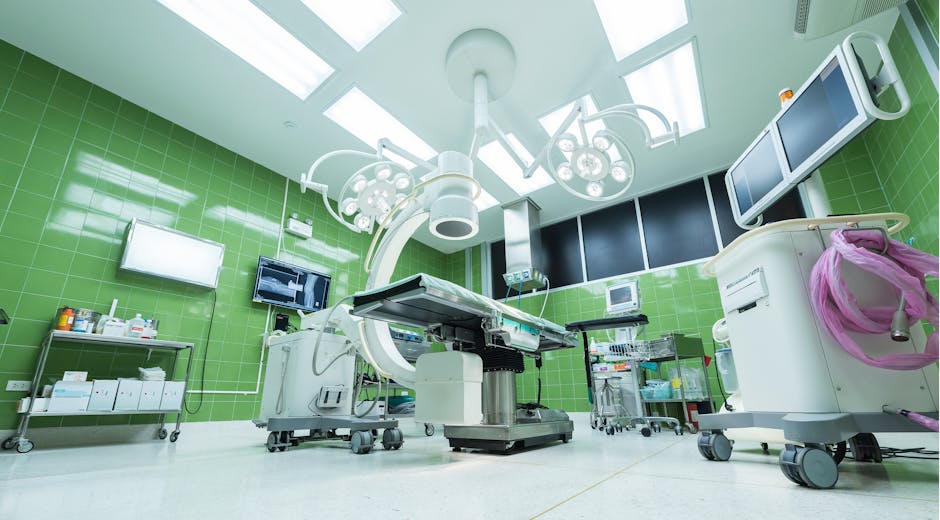
I ran a hotel in Colombia for seven years. During that time, a steady stream of guests came through who were recovering from procedures. Dental work, cosmetic surgery, orthopedic operations. They had researched their clinics, found their surgeons, booked their flights. But almost none of them had thought about what happens after the procedure is over and they are back in a hotel room, alone, in a country where they do not speak the language fluently.
The first 48 hours after surgery abroad are the part nobody prepares for. The clinic brochures show smiling patients on day five. The recovery house websites mention “comfortable surroundings” and “attentive staff.” What they do not show is the part where you wake up from anesthesia at 2 AM in an unfamiliar room, your mouth is dry, everything hurts, and you cannot remember where the call button is.
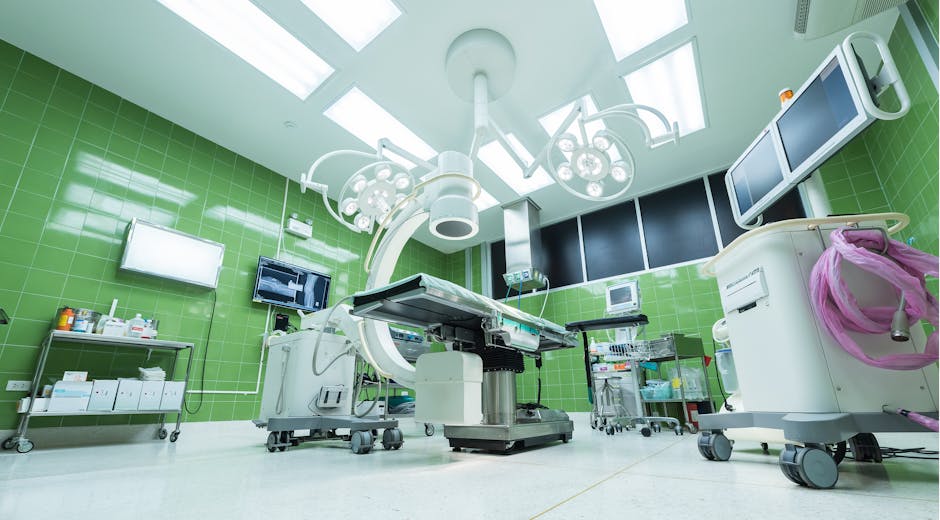
What the First 48 Hours Actually Look Like
Anesthesia takes longer to leave your system than most people expect. General anesthesia can leave you foggy for 24-48 hours. You sleep in short bursts. You wake up disoriented. You might feel nauseous. Pain medication helps but also makes you groggy and slow.
In those first hours, your world shrinks to a very small radius. Your bed. The bathroom three meters away that feels like thirty. The nightstand where your phone is charging. That phone becomes the most important object you own.
Here is what I watched guests do during recovery, over and over again, across hundreds of stays:
- Video call family. The first thing most people do when they are coherent enough is call home. Their partner, their mother, their best friend. They need to show someone their face and hear a familiar voice. These calls are long. Thirty minutes, an hour, sometimes more. They are not checking in. They are holding on.
- Stream for hours. Recovery involves a lot of lying still. Netflix, YouTube, podcasts. You are not going sightseeing for the first few days. The screen is your main companion between naps.
- Message their surgeon. Every swelling, every unexpected bruise, every twinge that does not feel right. WhatsApp messages to the clinic at all hours. Photos of the surgical site sent for reassurance. This is normal and clinics expect it, but it requires a data connection that works.
- Order food delivery. Even if the recovery house provides meals, there are times when you want something specific. Something from home. Something your stomach can handle that is not on the menu. Rappi, Uber Eats, Pedidos Ya, whatever the local equivalent is.
- Look up pharmacies. You will need something. Gauze, a specific ointment, a different painkiller. Google Maps becomes essential for finding the nearest pharmacy, checking if it is open, and getting directions for whoever is picking it up for you.
All of these require data. Reliable, consistent mobile data. Not “maybe it works in this corner of the room” data.
The Emotional Reality Nobody Mentions
Medical tourism content tends to focus on the practical side: cost savings, surgeon credentials, clinic reviews. And those matter. But the emotional side of recovering abroad is the part that catches people off guard.
You are in pain. You are alone, or with one person who is also exhausted and stressed. You are in a country where the pharmacy label is in a language you cannot read. The food is different. The smells are different. The sounds outside your window are unfamiliar.
I saw this with guests regularly. People who were confident and prepared before the procedure became anxious and vulnerable after it. That is not weakness. That is what happens when your body is healing and your brain is processing anesthesia and pain medication in an unfamiliar environment.
The phone call home at 11 PM is not a luxury. It is how people stay grounded. The Netflix show running in the background is not entertainment. It is a familiar voice in an unfamiliar room. The WhatsApp group with friends sending stupid memes is not a distraction. It is a connection to normal life when nothing around you feels normal.
How Much Data Does Recovery Actually Use?
This is where people consistently underestimate. A typical tourist uses data for maps, messaging, and the occasional photo upload. A person recovering from surgery uses data like someone who is homebound, because they are.
Here is what the numbers look like:
| Activity | Data per hour | Typical daily use during recovery |
|---|---|---|
| Video calls (WhatsApp, FaceTime, Zoom) | 1-1.5 GB | 1-3 hours = 1.5-4.5 GB |
| Streaming (Netflix, YouTube at standard quality) | 1-3 GB | 3-6 hours = 3-18 GB |
| Messaging (WhatsApp text, photos, voice notes) | 50-150 MB | Continuous = 100-300 MB |
| Food delivery apps (Uber Eats, Rappi) | 50-100 MB per session | 1-2 orders = 100-200 MB |
| Maps and pharmacy searches | 20-50 MB per search | 2-3 lookups = 60-150 MB |
| Social media browsing | 200-500 MB | 1-2 hours = 200-500 MB |
Add it up. A heavy recovery day can easily hit 5-10 GB of data usage. Over a typical 7-14 day recovery period, you are looking at 20-50 GB total, depending on how much you stream and how many video calls you make.
A 5 GB tourist data plan will not last two days. I watched guests burn through their data within 48 hours and then panic because they could not contact their clinic or call home.
What You Can Do Before You Go
The preparation window for the connectivity side of a medical trip is small but important. Here is what I would tell every guest if I could sit them down before their procedure:
Get your data sorted before you fly. Do not plan to figure it out when you land. You will be focused on the clinic, the consultation, the pre-op. You will not want to hunt for a SIM card shop when you should be resting. An eSIM that you install before departure and activates when you arrive is the simplest solution. Choose a plan with at least 20 GB if your recovery is a week or longer.
Download content offline before you leave home. Netflix, Spotify, and YouTube all allow offline downloads. Load up before you fly. This is your backup for bad-connection moments and also saves significant data during recovery. If you download 10 hours of Netflix at home on your Wi-Fi, that is 10-30 GB you do not need to stream abroad.
Save your clinic’s WhatsApp number as a contact before the procedure. You do not want to be searching through emails for a phone number while you are groggy and in pain. Save it. Pin the chat. Make it the easiest thing on your phone to find.
Set up your pharmacy and food delivery apps in advance. Download the local delivery app before your procedure. Set up your account, add your payment method, save the recovery house address. You do not want to do account setup one-handed while on painkillers.
Tell your family your connectivity plan. Let the people at home know how you will be reachable. What app, what number, what timezone. If they know you have reliable data, they will worry less. If your data drops out and they cannot reach you 12 hours after surgery, they will worry a lot.
The Part That Matters Most
After seven years of watching people recover from procedures in my hotel, the pattern was consistent. The guests who had the smoothest recoveries were not the ones with the most expensive clinics or the fanciest recovery suites. They were the ones who stayed connected. Connected to their surgeon when they had questions. Connected to their family when they felt alone. Connected to the outside world when their room felt too small.
Connectivity during medical travel is not a convenience. It is part of the recovery infrastructure. Treating it as an afterthought, the way you might on a beach holiday, is a mistake that becomes obvious the moment you wake up from anesthesia and reach for your phone.
If you are planning a procedure abroad, plan your data the same way you plan your clinic and your accommodation. It belongs in the same category of things that need to work from day one. Worldcitisim eSIMs cover 170+ countries and activate when you land. Plans for Turkey, Colombia, Thailand, Mexico.
Related Reading
- Why Your Phone Is Your Lifeline During Surgery Abroad
- 5 Apps Every Medical Tourist Needs
- How Much Data Does Telemedicine Use?
- eSIM vs Hospital Wi-Fi
About the Author

Isabella Liebgott went from working in hospitality in Colombia to building connectivity solutions for travelers and hotels. She founded Worldcitisim after years of watching guests struggle with the same problem in every country. She has lived in Sweden, the Netherlands, Colombia, and Spain.