

I moved to Spain thinking I knew what to expect. I speak fluent Spanish, I had spent seven years in Colombia, I understood Latin culture, or so I thought. Spain humbled me fast. After three years living here, I can tell you: Spain is its own thing. It does not operate on the same logic as the rest of Europe, and it definitely does not operate on the same logic as Latin America. These Spain travel tips for 2026 are the things I wish someone had told me before I arrived.
Is Spain Easy to Travel in 2026?
Spain is easy to travel in if you know what to expect. The infrastructure is excellent, the food is extraordinary, and the people are warm once you understand how they communicate. The friction comes from assuming Spain works like other countries. It does not. Adjust your expectations on timing, language, and social norms and you will have a smooth trip.
I am Swedish originally, and I have also lived in the Netherlands. Neither of those places prepared me for Spain either. Coming from Colombia, I had the language and a loose sense of Mediterranean culture. Still, the learning curve was real. What follows is what I have picked up from three years of actually living here, not from travel blogs written by people who spent two weeks in Barcelona.
Why Does Spain Feel Different Even If You Speak Spanish?
Spain has four official languages: Spanish (Castilian), Catalan, Euskera, and Galego. Even within Spanish, regional accents vary dramatically. Andalusian Spanish in particular will catch you off guard if you learned Spanish anywhere else. Sounds disappear, letters get swallowed, and familiar words come at a completely different speed. Fluent Spanish speakers regularly struggle in Seville or Málaga the first few days.
I am a native Swedish speaker who learned fluent Spanish over seven years in Colombia. I still get caught off guard in Andalusia. The southern accent is not just an accent. It is almost a separate dialect. If you are coming from the US with a couple of years of high school Spanish, budget a few days of adjustment before your ears tune in.
Then there is Catalan. In Barcelona, signs are in Catalan first. Menus, street names, public announcements. If you know Spanish, you can decode some of it. But it is not Spanish. Same in the Basque Country with Euskera, which is famously unrelated to any other language on earth. Galicia has Galego, which is closer to Portuguese than to Castilian Spanish. Spain is not one linguistic country. It is four, with a shared government and an excellent train network.
What Is the Social Culture Like in Spain for Visitors?
Spanish communication is direct and efficient. People do not do small talk the way most other cultures expect. When you call someone, they answer with “dime” (tell me), not hello. This is not rudeness. It is efficiency. Once you understand that, interactions become much clearer. The warmth is real. It just shows up differently than in places like Colombia, where you cannot start a conversation without asking how someone’s family is doing.
In Colombia, nothing gets done without “como estás” first. You greet the shopkeeper, ask about their day, compliment the weather, and then you get to what you need. I landed in Spain and someone answered my call with “dime” and I genuinely thought I had interrupted something. Three years later, I do it too. It is not cold. It is just how Spain works.
Spanish directness extends to service culture as well. Waiters will not check on you every five minutes. They consider that intrusive. If you need something, you flag them down. This is not bad service. This is Spain respecting your space at the table. The table is yours for as long as you want it. No one will rush you out.
When Do Spaniards Actually Eat?
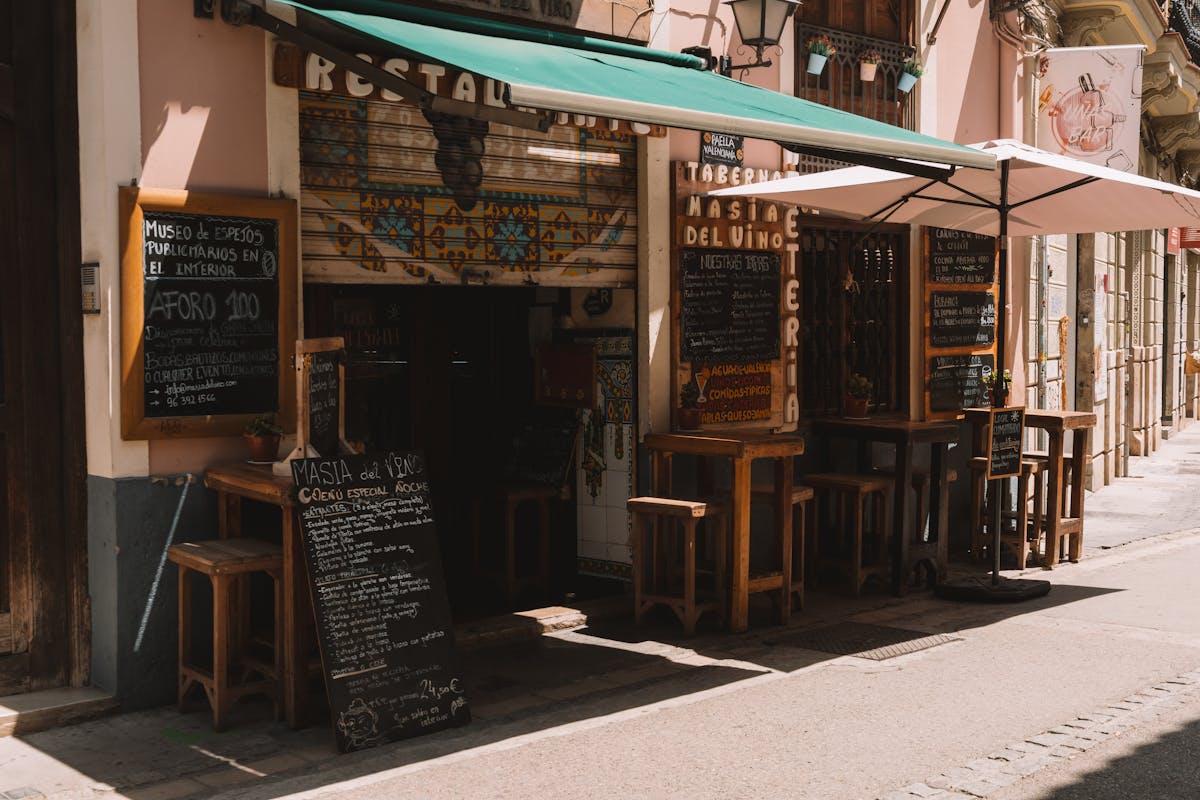
Lunch in Spain is at 2pm. Dinner is at 10pm. Restaurants close between roughly 4pm and 8pm. If you show up hungry at 6pm, you will find a locked door or a bar serving snacks. This is not a quirk. It is the national schedule. Planning your days around Spanish meal times will make your trip significantly easier and your food significantly better.
The comparison to the rest of Europe is stark. In Sweden, dinner at 6pm is completely normal. In the UK, people eat at 7pm and consider it a late night. In Spain, 10pm is when the restaurants start to fill up. Families with children eat at 10pm. This is not a restaurant thing. It is a cultural thing.
| Country | Typical Lunch Time | Typical Dinner Time | Restaurants Open Continuously? |
|---|---|---|---|
| Spain | 2:00 – 3:30pm | 9:00 – 11:00pm | No (closed 4–8pm) |
| France | 12:30 – 2:00pm | 7:30 – 9:30pm | Rarely |
| UK | 12:00 – 1:30pm | 6:30 – 8:30pm | Usually |
| Sweden | 11:30am – 1:00pm | 5:30 – 7:30pm | Often |
| Italy | 1:00 – 3:00pm | 8:00 – 10:00pm | No (closed afternoons) |
| Colombia | 12:00 – 1:30pm | 7:00 – 9:00pm | Varies by city |
The practical tip: eat your big meal at lunch. Spanish lunch menus (menú del día) are usually three courses plus a drink for around 12 to 15 euros. Dinner at a restaurant is à la carte and more expensive. Lunch is where Spaniards eat properly. Dinner is lighter for many locals, and they often do tapas rather than a full sit-down meal.
Where Are the Expat Communities in Spain?
Spain has significant expat communities concentrated in specific towns, mostly along the Costa del Sol. Fuengirola has a large Scandinavian population. Torrox has a strong German community, consistently ranking among Spain’s most popular destinations for German retirees. Torremolinos is historically British. Knowing this matters because the infrastructure, services, and even the vibe of these towns have adapted to their expat populations.
These demographics have been fact-checked against property market data from Kyero and Drumelia (Fuengirola/Scandinavians), and migration pattern analysis from Mapping Spain and DeLena & Grande (Torrox/Germans, Torremolinos/British), as of May 2026.
What this means practically: if you are a British traveler who wants to feel at home, Torremolinos has the pubs, the English-language services, and the community. If you are Scandinavian and want to spend a month in Spain without the culture shock being too intense, Fuengirola has infrastructure built around that. If you are going to Spain specifically to immerse in Spanish culture, avoid those towns entirely. Go to Jaén, Cáceres, Lugo, or inland Andalusia. Those places have almost no expat tourism infrastructure and are completely different experiences.
I have stayed in both kinds of places. The expat towns are comfortable and convenient. The interior towns are transformative. Depends on what you are after.
Does Your Phone Plan Work in Spain?
If you are from an EU country, your plan likely covers Spain at no extra cost. If you are coming from the US, Canada, Australia, or most of Asia, your home plan probably does not work here without roaming fees. Those fees are expensive and the connection is often unreliable. An eSIM loaded before you fly is the cleanest solution. You land, you activate, you are online.
I run connectivity solutions for travelers and hotels through Worldcitisim, so I deal with this problem daily. The guests I see struggling most are Americans and Australians who land and suddenly have no maps, no translation app, no way to reach their accommodation. Spain has good mobile coverage overall, but you need a SIM or eSIM that works here. Physical SIMs mean finding a Vodafone or Orange store, which usually takes time and sometimes requires a passport. An eSIM you set up from home is faster and costs less.
If you are staying in a hotel and wondering about connectivity options for the whole trip, some properties now offer in-room eSIM options or loaner SIMs. It is worth asking. You can also read more about how hotels are handling guest connectivity in our 2026 guide to hotel guest connectivity.
Planning a trip to Spain? Set up your eSIM before you fly. Worldcitisim.com
What Are the Costs Like in Spain in 2026?
Spain is still one of the more affordable Western European countries for travelers, but costs have risen noticeably in popular areas since 2022. Barcelona and Madrid are now comparable to many northern European capitals. The regions, smaller cities, and rural Spain remain excellent value. The key is knowing where the price cliff is.
| Expense | Barcelona / Madrid | Seville / Valencia | Rural / Interior Spain |
|---|---|---|---|
| Coffee (café con leche) | €2.00 – €3.50 | €1.20 – €1.80 | €1.00 – €1.50 |
| Menú del día (lunch) | €14 – €20 | €10 – €14 | €8 – €12 |
| Beer at a bar | €3.50 – €5.00 | €1.50 – €2.50 | €1.00 – €2.00 |
| Budget hotel (per night) | €80 – €150 | €50 – €90 | €30 – €60 |
| Metro/public transit | €2.40 per trip | €1.40 per trip | Varies or N/A |
The best value move in Spain: eat lunch at a local restaurant with a menú del día. Three courses, a drink, bread, sometimes dessert. Around 12 euros. This is how Spaniards eat on weekdays. It is also significantly better food than most tourist dinner menus at the same price point.
What Should You Know About Getting Around Spain?
Spain’s high-speed rail network (AVE) is genuinely excellent. Madrid to Seville in 2.5 hours. Madrid to Barcelona in 2.5 hours. Madrid to Valencia in 1.5 hours. If you are moving between major cities, the train is usually faster and more comfortable than flying once you account for airport time. Book in advance on Renfe or through a third party, because prices go up fast.
For rural areas and the coast, you usually need a car. Public transit outside cities is limited. If you are planning to explore Andalusia beyond the main cities, or go into the interior of Castilla, rent a car. Driving in Spain is straightforward and the roads are in good condition. Parking in cities is a different story. Do not bring a car into central Seville or Granada if you can help it.
If you are doing a multi-country trip and Spain is one stop, Albania is an interesting contrast worth considering for southeast Europe. See our Albania travel guide if you are planning the broader Balkans or Mediterranean circuit.
Spain Travel Tips 2026: FAQ
Do I need to speak Spanish to travel in Spain?
You can get by without Spanish in major tourist areas and cities. English is widely spoken in Barcelona, Madrid, and coastal resorts. In smaller towns and rural areas, Spanish is essential. Knowing basic phrases goes a long way and is always appreciated. In Catalonia, Basque Country, and Galicia, locals may prefer their regional language over Castilian Spanish, so keep that in mind.
Is Spain safe for solo travelers in 2026?
Spain is generally very safe for solo travelers, including solo women. The main risks are petty theft in crowded tourist areas, particularly pickpocketing on Las Ramblas in Barcelona and around major monuments. Keep your bag in front of you, use an inside pocket for your phone in busy areas, and you will be fine. Violent crime against tourists is rare. Night life areas have the same risks as any European city.
What is the best time of year to visit Spain?
April, May, September, and October are the best months for most of Spain. Summer (July and August) is extremely hot inland, up to 45°C in Seville and Córdoba, and extremely crowded on the coast. Winter is mild on the southern coast and in the Canary Islands, which makes them good year-round destinations. Northern Spain (Basque Country, Galicia) has Atlantic weather and can be rainy from October through March.
Can I use my credit card everywhere in Spain?
Cards are widely accepted in cities and tourist areas. In smaller towns, rural restaurants, and local markets, cash is still expected or preferred. Carry some cash whenever you are outside a major city. ATMs are easy to find in cities and towns. Use a card that does not charge foreign transaction fees and watch for ATMs that offer “dynamic currency conversion,” which always gives you a worse rate. Decline it and pay in euros.
What eSIM works best for traveling in Spain?
For Spain specifically, you want an eSIM that runs on a major Spanish network, Movistar, Orange, or Vodafone. Coverage in cities is excellent on all three. Rural coverage varies. Look for a plan with at least 10GB if you are staying longer than a week and plan to use maps and streaming. You can browse Spain eSIM options and activate before you fly. Activation takes a few minutes and works on any eSIM-compatible device.
Are tips expected in Spain?
Tipping in Spain is not mandatory and is not as culturally embedded as in the US. Locals typically round up or leave small change. At a restaurant, leaving 5 to 10% of the bill is appreciated but not expected. For bar drinks, leaving a few coins is common. Taxis: round up to the nearest euro. Hotels: a euro or two per night for housekeeping is nice but not obligatory. Do not tip the way you would in the US. It comes across as awkward rather than generous.
What are the new tourism rules in Spain for 2026?
Several Spanish cities have introduced or tightened restrictions on tourist behavior in 2026. Barcelona has continued to limit short-term rentals and is enforcing rules against drinking on the street. Mallorca has capped tourist entry in some areas during peak summer. The Canary Islands have active debates about tourism volume limits. Always check the current rules for the specific region you are visiting, as they vary significantly and change year to year.
How far in advance should I book accommodation in Spain?
For July and August, book at least three to four months in advance for coastal areas and popular cities. For spring and autumn travel, four to six weeks is usually enough. If you have a specific property in mind, book earlier. Rural casas rurales (country houses) are often small and fill up fast for long weekends and public holidays. Spain has a lot of national and regional public holidays that cause domestic travel spikes, worth checking the calendar for your dates.
Related Reading
- The Dual-SIM Trick: Keep Your Home Number and Get Local Data
- Do You Need Data at Airport Immigration?
- Will Google Maps Work Without Wi-Fi Abroad?
- Will Uber Work When I Land Abroad?
About the Author

Isabella Liebgott went from working in hospitality in Colombia to building connectivity solutions for travelers and hotels. She founded Worldcitisim after years of watching guests struggle with the same problem in every country. She has lived in Sweden, the Netherlands, Colombia, and Spain.