
eSIM in Argentina: Coverage, Setup & How Much Data You Need
How eSIM Works in Argentina
Argentina stretches from Buenos Aires and the Pampas all the way to Patagonia and the Andes. Mobile data in Buenos Aires is strong city-wide from Palermo to Ezeiza, with Mendoza, Bariloche, and Iguazú covered on the same plan. A Worldcitisim eSIM keeps you connected across the full route without roaming fees or the complexity of local SIM registration.
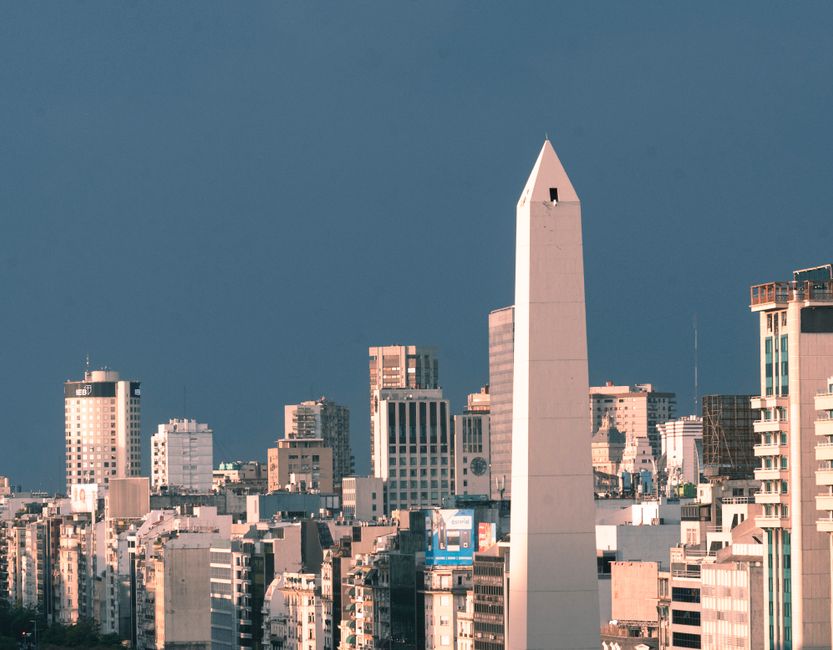
Photo by Mario Amé on Pexels
How much data do you need in Argentina?
Every plan runs 30 days · Instant QR delivery, no SIM swap.
Why Use an eSIM in Argentina?
- Instant activation — no physical SIM card needed
- Works on most modern iPhones and Android devices
- Coverage across Argentina, including Buenos Aires, Mendoza, Bariloche, and Patagonia
- No roaming fees or long-term contracts
Local SIM cards in Argentina (Claro, Personal, Movistar) require a DNI or passport for registration. Finding a store in smaller Patagonian towns like El Chaltén or El Calafate can mean hours of searching, and airport kiosks at Ezeiza charge significantly more than street prices. Spanish-only service is the norm outside Buenos Aires. An eSIM helps you avoid roaming fees in Argentina with no registration hassle at all.
Argentina has an added complication: the country's economic situation means carrier stores frequently change pricing, and the plans available one week may not exist the next. Some stores only accept cash in pesos, and finding an ATM that works with foreign cards is its own adventure. The Ezeiza Airport SIM kiosks are hit-or-miss depending on the hour — late-night arrivals often find them closed. In Patagonia, carrier stores exist only in the larger towns (Bariloche, El Calafate, Ushuaia), and hours are limited. If you arrive in El Chaltén after the bus ride from El Calafate, there is no carrier store at all. An eSIM means none of this matters.
Coverage and Mobile Networks in Argentina
Claro and Personal have the strongest 4G networks in Argentina. Urban coverage is excellent; Patagonian routes have coverage in towns but gaps on remote roads and trails.
- Buenos Aires — Ezeiza Airport, Palermo, San Telmo, Recoleta, Puerto Madero — mobile data in Buenos Aires covers the full city including barrios and transit
- Mendoza city and the wine country (Valle de Uco, Luján de Cuyo) — mobile data in Mendoza is solid through the main winery routes
- San Carlos de Bariloche and the Lake District
- Salta and the northwest (Cafayate, Tilcara, Jujuy)
- El Calafate and Torres del Paine gateway
- Cordoba and central Argentina
Ezeiza International Airport has full 4G coverage across all terminals, including the arrival hall and the remise (car service) pickup area. The Aeroparque Jorge Newbery domestic airport in downtown Buenos Aires is also fully covered. Personal (owned by Telecom Argentina) has the strongest coverage in Buenos Aires and the Pampas region. Claro is competitive in the north and northwest. Movistar covers the main cities but has weaker rural penetration.
In Buenos Aires, every neighbourhood from La Boca to Belgrano has strong 4G. The Subte (metro) system has coverage at most stations, though deeper tunnels on Line D and Line H can be spotty. The Retiro bus terminal — where long-distance buses depart for the rest of the country — has full coverage.
In Mendoza, the city has excellent coverage. The main winery routes through Luján de Cuyo and Maipú are fully covered. Valle de Uco, further out, has coverage in Tunuyán and along the main road, but some smaller vineyard access roads lose signal. The road from Mendoza to the Chilean border (Ruta 7 through Los Penitentes and the Aconcagua area) has coverage in most sections but drops at higher altitudes near the Cristo Redentor tunnel.
In Patagonia, Bariloche town and the main lakefront areas have solid 4G. The Circuito Chico (short circuit drive) maintains signal for most of the route. El Calafate has good town coverage, and the road to Perito Moreno glacier has signal for roughly the first two-thirds. El Chaltén has basic coverage in town but trails to Fitz Roy and Laguna de los Tres are off-grid once you leave the trailhead. Ushuaia has full town coverage; the Beagle Channel boat tours lose signal quickly offshore.
In the Northwest, Salta city has full 4G coverage. The Quebrada de Humahuaca route through Purmamarca, Tilcara, and Humahuaca has coverage in each town. Cafayate has reliable signal. The famous Ruta 40 between Cafayate and Salta passes through mountain scenery with signal in towns but gaps on the winding road between them. The Salinas Grandes salt flat has basic signal at the access point but limited coverage on the flat itself. In Puerto Iguazú, coverage is strong in town and at the national park's main facilities, including the walkways to the Devil's Throat.
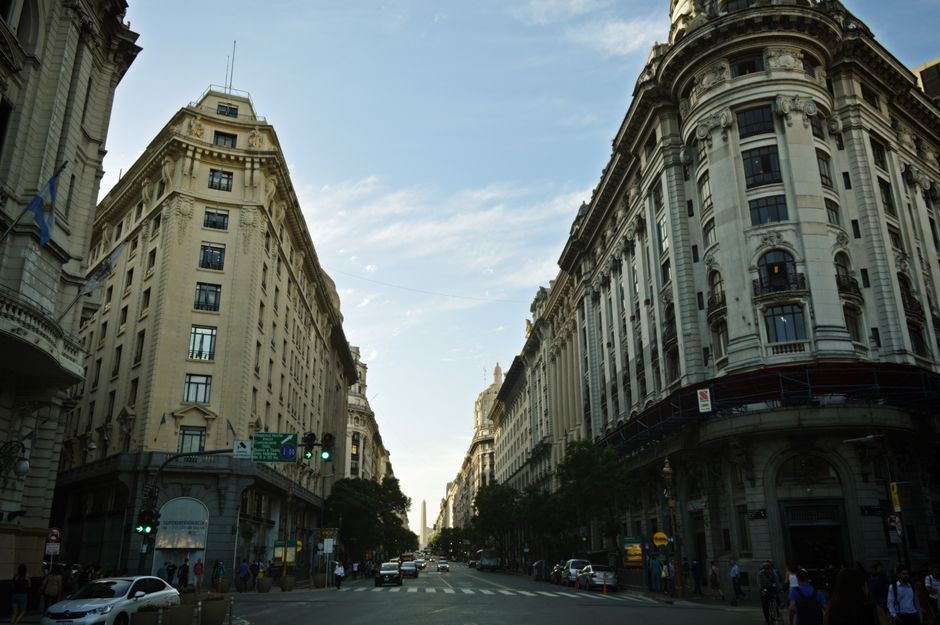
Photo by Lilian Sandoval on Pexels
City Guide: Using Mobile Data in Argentina's Top Cities
Buenos Aires
Buenos Aires is a city where mobile data makes everything easier. Uber and Cabify handle most rides — though some porteños still prefer taxis, Uber gives you tracked routes and upfront pricing. Google Maps is essential for navigating between barrios like Palermo, San Telmo, Recoleta, and La Boca, especially for figuring out the Colectivo (local bus) system. WhatsApp is how you book milonga tickets, confirm steak restaurant reservations, and coordinate with Airbnb hosts. Mobile data in Buenos Aires also means you can use MercadoLibre and Rappi for deliveries — useful if you are staying in an apartment for a longer trip.
Mendoza
Mendoza is Argentina's wine capital and mobile data helps you navigate it. Most visitors rent bikes or arrange drivers for winery visits in Luján de Cuyo and Maipú — WhatsApp is how you book both. Google Maps gets you between bodegas that are spread across dusty roads with limited signage. If you are doing a multi-day trip to Valle de Uco, mobile data for tourists in Mendoza means you can check which wineries require reservations (most do), compare ratings, and rebook on the fly if plans change.
Bariloche and the Lake District
Bariloche is the gateway to Argentina's Lake District. Uber does not operate here — you will use local remises and buses. Google Maps is the main navigation tool for the Circuito Chico scenic drive and the road to Llao Llao. WhatsApp is how you book excursions to Cerro Catedral, Circuito de los Siete Lagos, and boat crossings to Chile. Internet for tourists in Bariloche matters because many activities require day-before or morning-of confirmation via message.
Salta and the Northwest
Salta is the jumping-off point for the Quebrada de Humahuaca, Cafayate wine country, and the Puna desert. WhatsApp is essential for booking shared tours and confirming pickup times. Google Maps helps navigate the winding Ruta 68 between Salta and Cafayate, and the mountain roads through Purmamarca and Tilcara. Mobile data in Salta and Jujuy keeps you connected in towns along the main route, even if high-altitude passes between them go dark for stretches.
How Does an Argentina eSIM Work?
- Choose your plan — pick the data and duration that fits your trip to Argentina
- Receive your eSIM instantly — a QR code is sent to your email right after purchase
- Install and connect — scan the QR code, follow the steps on your phone, and you are ready to go when you land
eSIM vs Local SIM Card in Argentina
You could buy a local SIM card when you arrive in Argentina — but here is what that actually looks like:
- Local SIM: Find a Personal or Claro store in Buenos Aires, bring your passport, deal with Spanish-language registration, wait in line. In Patagonia, this is harder — carrier stores are sparse and hours are unpredictable. Airport kiosks at Ezeiza are expensive. A prepaid SIM card in Argentina for tourists adds passport registration that the eSIM process skips.
- eSIM: Set it up on your phone before you fly. Land at Ezeiza, turn on your data, done. No store, no passport registration, no wasted time.
The pricing: a Personal SIM at Ezeiza costs around 5,000-10,000 ARS (prices fluctuate with inflation). A street-level store in Palermo charges less but the registration takes 20-30 minutes. The documentation process requires a passport copy — some stores have a photocopier, others send you next door. Movistar stores are less common than Personal or Claro. If you land at Aeroparque for a domestic flight, SIM options are even more limited.
Argentina's inflation also means carrier plans change frequently. What you read in a travel blog from three months ago may no longer exist. Data allowances, prices, and plan durations shift regularly. With an eSIM, you lock in your plan before you travel, with pricing in stable USD. No surprises at the counter, no mental math converting wildly fluctuating peso prices.
eSIM Plans for Argentina
Plans start at €6.99 for 1 GB. Choose from 1 GB to unlimited data, with validity from 5 to 30 days. All plans include hotspot sharing so you can connect your laptop or tablet too.
View all Argentina eSIM plans →
FAQs — eSIM Argentina
Does eSIM work in Argentina?
Yes. Argentina has reliable 4G coverage from Claro, Personal, and Movistar across all major cities and tourist destinations. Our eSIM connects automatically to the strongest available network.
Can tourists use an eSIM in Argentina?
Yes. No DNI, no local address, no in-person registration required. You buy online, get a QR code by email, and install it on your phone before you travel.
When should I activate my Argentina eSIM?
Install the eSIM on your phone before you fly — the process takes about 3 minutes at home on WiFi. Your data does not start counting until you land in Argentina and turn on mobile data.
Which devices support eSIM?
iPhone XR and newer, Samsung Galaxy S20 and newer, Google Pixel 3 and newer, and most flagship Android phones from 2020 onward. Check Settings > About for eSIM availability on your device.
Can I keep my regular phone number while using an eSIM?
Yes. Your physical SIM stays active for calls and texts from your home number. The eSIM handles your Argentine data. Both run simultaneously.
Does eSIM work in Patagonia and El Calafate?
In El Calafate, El Chalten, and Bariloche towns, yes — coverage is fine for everyday use. On remote trekking routes (Torres del Paine approaches, Fitz Roy trails), signal drops in the backcountry regardless of SIM type. Urban and main tourist areas are well covered.
Does eSIM work in Mendoza wine country?
Yes. Mendoza city and the main winery routes in Lujan de Cuyo and Valle de Uco have solid 4G coverage. More remote high-altitude areas have limited signal, as with any carrier.
Does the Argentina eSIM work on the overnight bus to Iguazu Falls?
The main bus routes to Puerto Iguazu (from Buenos Aires or Cordoba) pass through populated towns and highway stretches with reasonable 4G coverage. You will have signal for most of the journey, with some gaps in rural sections overnight. Iguazu itself and the park area have good coverage.
How much data do I need for three weeks in Argentina?
For three weeks of travel — Google Maps, WhatsApp, occasional streaming, booking accommodation on the road — 7 to 10 GB covers most travelers. If you are working remotely or video-calling regularly, go for unlimited.
Can I share Argentina eSIM data as a hotspot?
Yes. All plans include hotspot tethering. You can connect a laptop or tablet to your phone's data connection, which is practical when hotel or hostel WiFi is slow.
Can I use ride apps in Argentina with the eSIM?
Yes. Uber and Cabify operate in Buenos Aires, though taxis also remain common. In other cities like Mendoza and Cordoba, InDriver and Cabify are widely used. All require a live data connection to function, which the eSIM provides from the moment you land.
Does my eSIM data work in the Northwest — Salta, Jujuy, and Cafayate?
Yes. Salta and Jujuy cities have solid 4G coverage. The main Quebrada de Humahuaca tourist route is covered in towns. Cafayate has coverage. More remote Andean roads and high-altitude sections between towns will have gaps — as with any SIM in that geography.
Can I use WhatsApp with my Argentina eSIM?
Yes. WhatsApp is the standard communication tool in Argentina. Restaurants, tour operators, hotels, and remise drivers all use it for bookings and coordination. Having WhatsApp active on mobile data from landing means you can confirm your airport pickup, message your hotel, and arrange wine tours — all without hunting for WiFi.
Does the eSIM work for video calls in Argentina?
Yes. FaceTime, Zoom, WhatsApp Video, and Google Meet all work on eSIM data. In Buenos Aires and Mendoza, 4G speeds handle video calls without problems. In Patagonian towns, video calls work but quality depends on local network conditions.
Is an Argentina eSIM good for remote work?
Yes. Buenos Aires is a major digital nomad hub with strong infrastructure. The eSIM provides reliable backup when cafe WiFi is unstable. Hotspot tethering means you can work from your laptop using phone data. For month-long stays, an unlimited plan is the smart choice.
Does the eSIM work in Ushuaia and Tierra del Fuego?
Yes. Ushuaia has solid 4G coverage throughout the town and waterfront area. The national park Tierra del Fuego has limited coverage on trails. The Beagle Channel boat tours lose signal quickly once offshore. In town and at the airport, connectivity is reliable.
Does the Argentina eSIM work at Iguazú Falls?
Yes. Puerto Iguazú town has solid 4G coverage. The Argentine side of Iguazú National Park has coverage at the main entrance, the upper and lower circuits, and the Devil's Throat walkway. Signal can be patchy on some jungle trails between viewpoints. The Brazilian side (Foz do Iguaçu) requires a separate Brazilian data plan or a regional eSIM that covers both countries.
How much data do I need for a week in Buenos Aires?
For a week in Buenos Aires — Uber rides, Google Maps, WhatsApp for restaurant and tango bookings, social media, and light browsing — 3 to 5 GB is enough for most travelers. Buenos Aires has strong WiFi in cafes and hotels, so your data usage will be supplemented. If you are working remotely or streaming, go for 7 GB or unlimited.
Does the eSIM work on domestic flights within Argentina?
The eSIM does not work during flight, but it connects automatically at your destination the moment you land and turn off airplane mode. All major Argentine airports — Aeroparque, Mendoza, Bariloche, Iguazú, Ushuaia, Salta, El Calafate — have 4G coverage in their terminals. You will have data as soon as you step off the plane.
Do I need a VPN in Argentina?
No. Argentina does not block any major apps, social media, or websites. Everything works normally on local mobile data. Some streaming services will show Argentine content libraries, but a VPN is not required for basic use.
Can I top up my Argentina eSIM if I run out of data?
Yes. Purchase additional data from your phone at any time while in Argentina. A new QR code arrives by email and installs in about two minutes. No store visit, no peso-cash transaction, no registration process.
Photo by Maggy López on Pexels
Get Your Argentina eSIM Today
Set up before you fly. Land in Buenos Aires and you are online.
Related Reading
Last updated
Are you a hotel owner in Argentina?
Earn commission by offering eSIMs to your guests. No setup cost, no hardware.
Learn about the Hotel Partner Program →