
eSIM in the Caribbean: Coverage, Setup & How Much Data You Need
eSIM Caribbean — One Plan, Multiple Islands
The best eSIM for the Caribbean covers the region's unique connectivity challenge: every island is its own country or territory, often with its own carriers and no shared roaming. Barbados to St. Lucia to Dominica to Antigua in ten days is a perfectly normal trip — mobile data in Barbados, mobile data in St. Lucia, mobile data in Dominica, mobile data in Antigua, all from a single install. No roaming fees when you sail or fly between islands. No standing in line at an airport phone counter. You land with data already working.

Photo by Neil Marshall on Pexels
How much data do you need in the Caribbean?
10-day plans · classic holiday. Instant QR delivery, no SIM swap.
Why Use a Caribbean eSIM Instead of Island-by-Island Plans?
- One eSIM covers 25+ islands and territories — no swapping plans between islands
- Works on most modern iPhones and Android devices
- Shared data pool across the entire region — use it wherever you are
- Avoid roaming charges in the Caribbean — many islands have no shared agreements, so without a regional plan every new island is a new charge
- Perfect for sailing itineraries, island-hopping trips, and cruise passengers who go ashore
The Caribbean is uniquely fragmented from a connectivity standpoint. Many islands are small nations or overseas territories with tiny, isolated mobile markets. Getting a local SIM often means finding a carrier outlet in a shopping center or market — not at the airport, not when you arrive by ferry at a small dock. For a ten-day trip visiting four or five islands, buying individual SIMs on each one is impractical. One regional eSIM solves this entirely.
Mobile data in the Caribbean changes your trip in practical ways. You need it for checking ferry schedules between islands (which change frequently and are not always posted online accurately), for booking snorkeling and diving tours through WhatsApp (which is how most operators in the Eastern Caribbean communicate), for navigation on islands where road signs are sparse, and for translation in the French-speaking islands like Saint Martin and Saint Barthélemy where English is not universally spoken away from the resorts. Sailing crews use data for weather updates and harbor information. Cruise passengers going ashore use it for finding restaurants and booking excursions independently rather than through the ship's overpriced options.
Countries and Islands Covered
Your Caribbean eSIM works in all of these countries and territories with a single data plan:
- Anguilla
- Antigua and Barbuda
- Bahamas
- Barbados
- British Virgin Islands
- Cayman Islands
- Curaçao
- Dominica
- Dominican Republic
- Grenada
- Jamaica
- Montserrat
- Netherlands Antilles
- Puerto Rico
- Saint Barthélemy
- Saint Kitts and Nevis
- Saint Lucia
- Saint Martin
- Sint Maarten
- Saint Vincent and the Grenadines
- Turks and Caicos Islands
- US Virgin Islands
Coverage Quality Across the Caribbean
Coverage in the Caribbean varies significantly from island to island. Larger islands with more developed infrastructure have stronger networks, while smaller islands may have only one or two carriers with limited coverage outside main towns.
- Jamaica: Good coverage in Kingston, Montego Bay, Ocho Rios, and Negril. Digicel and FLOW operate the main networks. The Blue Mountains and rural interior have patchier signal. Beach resorts and tourist corridors are well covered.
- Barbados: Strong coverage across the island — Barbados is compact (14 miles wide) and well-served by Digicel and FLOW. Bridgetown, the west coast resorts, and the south coast all have reliable signal. The east coast (surfing areas around Bathsheba) has decent coverage too.
- Dominican Republic: Good coverage in Santo Domingo, Punta Cana, Puerto Plata, and other resort areas. Claro and Altice operate the main networks. Rural mountains and remote areas in the interior have lighter coverage.
- Eastern Caribbean (St. Lucia, Dominica, Grenada, Antigua, St. Kitts, St. Vincent): Main towns and resort areas on each island have good coverage. Mountainous interiors and remote beaches may have limited signal. St. Lucia has coverage along the coast from Castries to Soufriere.
- Bahamas: Nassau and Paradise Island have strong coverage. Grand Bahama's main areas are covered. The Exuma chain and more remote Out Islands have signal in settlements but not between them or on uninhabited cays.
- Dutch Caribbean (Curaçao, Sint Maarten): Good coverage on both. These are small, flat islands and coverage extends to most areas. Curaçao's Willemstad and the whole of Sint Maarten are fully covered. Aruba and Bonaire are not on this plan.
- British Virgin Islands and US Virgin Islands: Coverage in the main towns (Road Town on Tortola, Charlotte Amalie on St. Thomas) is good. Remote anchorages and smaller islands may have limited signal. The USVI benefits from US carrier infrastructure.
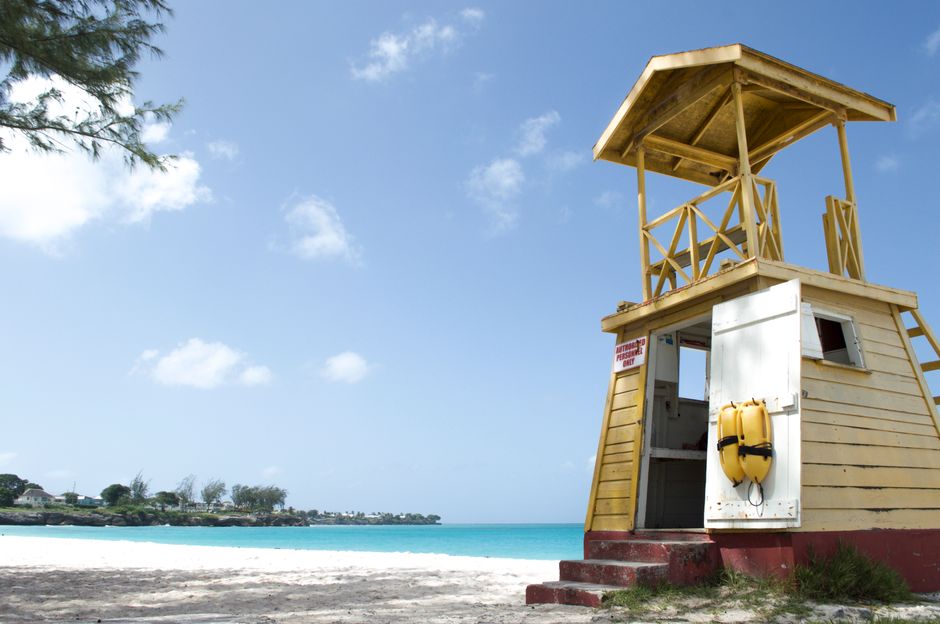
Photo by Richard Blaikie on Pexels
How Does a Caribbean eSIM Work?
- Choose your plan — pick the data amount and duration for your Caribbean trip
- Receive your eSIM instantly — a QR code is sent to your email right after purchase
- Install once, use everywhere — scan the QR code at home. Your data works automatically on every covered island. Sail or fly to the next island, your phone connects to the local network. No action needed from you.
Popular Multi-Island Routes
A Caribbean eSIM is especially useful for these common itineraries. The Caribbean is a region where every new island is technically a new country (or territory), and without a regional eSIM, each hop means a new SIM card or roaming charges.
- Barbados → St. Vincent → St. Lucia → Dominica → Antigua (2 weeks): The Eastern Caribbean island hop by short-haul flights and ferries. Five islands, five different countries, each with its own mobile network. Your eSIM switches networks on each island automatically. Data is essential for checking ferry schedules which run on changing timetables, booking dive trips, and navigating rental cars on islands where driving is on the left and signage is minimal.
- San Juan → St. Thomas → St. John → British Virgin Islands (10 days): Puerto Rico and USVI sailing circuit. Your eSIM covers Puerto Rico and the USVI, plus the BVI when you cross from St. John to Tortola or Virgin Gorda. Data helps with weather updates for sailing, booking moorings, and finding restaurants in each port town. Ferry schedules between the islands change seasonally and are best checked online with a data connection.
- Curaçao → Sint Maarten → Saint Barthélemy (1 week): The Dutch and French Caribbean on one plan. Short flights connect them, and your eSIM handles each landing. Data is particularly useful for finding dive operators, whose GPS coordinates for dive sites are shared through apps, and for navigating Curaçao's spread-out coastline.
- Nassau → Eleuthera → Exumas → Grand Bahama (2 weeks): The Bahamas sailing or island-hopping itinerary. Nassau has strong coverage, and the main towns on each island have signal. Data helps with weather routing, finding anchorages, and booking boat tours in the Exumas — including the famous swimming pigs at Big Major Cay, which requires a boat charter typically booked through WhatsApp or a local operator's website.

Photo by Gavin Fregona on Pexels
eSIM Plans for the Caribbean
Plans start at €6.93 for 1 GB. Choose from 1 GB to unlimited data, with validity from 5 to 30 days. All plans include hotspot sharing. Your data pool is shared across every island in the plan — use 1 GB in Barbados and 2 GB in St. Lucia from the same 3 GB plan.
For a typical one to two week island-hopping trip, a 3 GB or 5 GB plan is enough for most travelers. Data use in the Caribbean tends to be lighter than in big cities — you are spending more time on beaches and less time navigating complex transit systems. Your main data uses will be checking ferry schedules, messaging tour operators on WhatsApp, navigation when driving, and posting photos. If you plan to make video calls or stream music at the beach, go for a larger plan.
View all Caribbean eSIM plans →
FAQs — Caribbean eSIM
How does a multi-island eSIM work when I take a ferry or sailing boat between islands?
Your phone connects to whichever local network is strongest. At sea between islands, you may have limited or no signal — the same as any mobile connection on open water. When you approach or dock at the next island, your phone picks up the local network automatically. No settings to change.
Is a regional plan cheaper than buying individual plans on each island?
For multi-island trips, usually yes. Getting a SIM on a small Caribbean island often means paying tourist-rate prices from a single carrier with limited competition. A regional plan gives you consistent pricing and coverage across all islands for one fixed cost. If you're spending three weeks on a single island, a local SIM may give you more data per dollar — but for island-hopping, the regional plan wins. Factor in the time cost too: finding a carrier store on a small island means tracking down a shopping center or market during limited business hours, potentially in a town you have never been to, on an island where you just arrived by ferry with no data and no idea where you are going.
Which devices support eSIM?
iPhone XR and newer, Samsung Galaxy S20 and newer, Google Pixel 3 and newer, and most recent iPad Pro and iPad Air models.
Does the Caribbean eSIM work during a cruise stopover?
Yes. When your cruise ship docks and you go ashore, your phone connects to the local network on that island — the same as it would for any other eSIM or SIM. Coverage in port areas is generally good. On the ship itself, you'd need the ship's Wi-Fi, as maritime coverage at sea varies.
Does it work in the French Caribbean territories?
Saint Martin and Saint Barthélemy are included. They are French overseas territories, not EU members for roaming purposes, so standard EU roaming plans from home often don't cover them at no extra cost. The Caribbean eSIM covers them the same as any other island on the plan. Martinique and Guadeloupe are not on this plan.
Can I switch between islands without changing any settings?
Yes. When you arrive on a new island, your phone connects to the local network automatically. Whether you fly, take a ferry, or arrive by sailing boat and dock in port, the eSIM connects to whatever network is available on that island — no settings to change.
Does unused data carry over between islands?
Yes. Your data pool is shared across all covered islands and territories. If you use 1 GB in Barbados and sail to St. Lucia, your remaining data balance continues to work there immediately.
Can I top up the Caribbean eSIM if I run out of data mid-trip?
Yes. You can purchase a top-up from your phone at any point during your trip. A new QR code arrives by email and installs in minutes. On a small island where there is no carrier store, this is the practical option for getting more data without cutting a beach day short.
Is a regional Caribbean plan better than buying local SIMs on each island?
For island-hopping trips, significantly better. Many small Caribbean islands have one or two local carriers and no airport SIM counter. Getting local data on each island would mean visiting a shopping mall or market during limited hours — and doing this on every island you visit. One regional eSIM eliminates that entirely.
How much data do I need for a two-week Caribbean island-hop?
For two weeks across four or five islands — Google Maps, WhatsApp, booking tours and ferries, social media — 5 GB is enough for most travelers. Data use tends to be lighter in the Caribbean than in cities because much of the time you are on a beach with no reason to be on your phone.
Can I keep my regular phone number while using the Caribbean eSIM?
Yes. Your home SIM stays active for calls and texts from your regular number. The eSIM handles data separately. Both work at the same time.
Does the Caribbean eSIM work on all-inclusive resorts?
Yes. Resorts are typically in well-covered coastal areas with strong cell signal. While your resort probably has WiFi, your eSIM data works when you leave the property — for excursions, day trips to town, beach bar hopping, or exploring the island by rental car. Resort WiFi does not follow you off-property, but your eSIM does.
Does the Caribbean eSIM work for sailing crews?
On land, yes — in port towns, marinas, and anchorages near shore. At sea between islands, signal drops. The crossing between islands in the Eastern Caribbean can be anywhere from 30 minutes to several hours depending on the route, and open-water coverage is limited. Sailing crews use the eSIM data when in port for weather forecasts, provisioning lookups, restaurant bookings, and communicating with charter companies or marinas at the next stop.
Does the eSIM work in the French Caribbean?
Saint Martin and Saint Barthélemy are included. These French overseas territories are often not covered by standard EU roaming plans from mainland France, and getting a local SIM means finding a carrier store on arrival. The Caribbean eSIM covers them the same as any other island on the plan. Martinique and Guadeloupe are not on this plan. Data is particularly useful in the French islands for translation, since English is less common outside resort areas.
Is the Caribbean eSIM worth it for a single-island trip?
If you are spending your entire trip on one island, a local SIM might give you more data per dollar — but it requires finding a store, waiting in line, and going through setup. The eSIM lets you skip all of that. For islands where carrier stores are inconvenient (small Eastern Caribbean islands, the BVI, outer Bahamas), the eSIM is the practical choice even for a single-island stay.
Does the Caribbean eSIM work in Cuba?
No. Cuba is not on this plan. If Cuba is part of your itinerary you will need to arrange connectivity there separately — check the full country list on the plan page before you buy so there are no surprises on arrival.
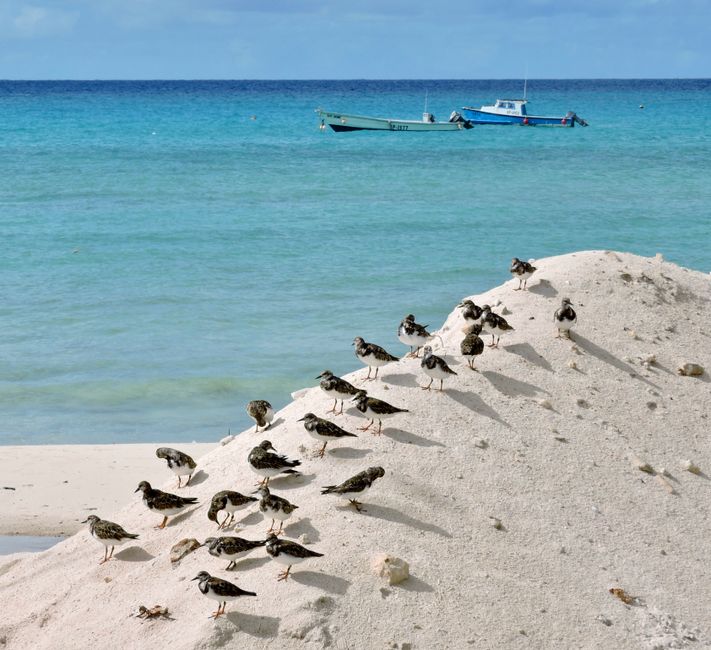
Photo by Gavin Fregona on Pexels
Get Your Caribbean eSIM Today
One plan. 28+ islands. Set up before you fly.
Related Reading
Last updated
Are you a hotel owner in the Caribbean?
Earn commission by offering eSIMs to your guests. No setup cost, no hardware.
Learn about the Hotel Partner Program →