eSIM for Cosmetic Surgery in South Korea
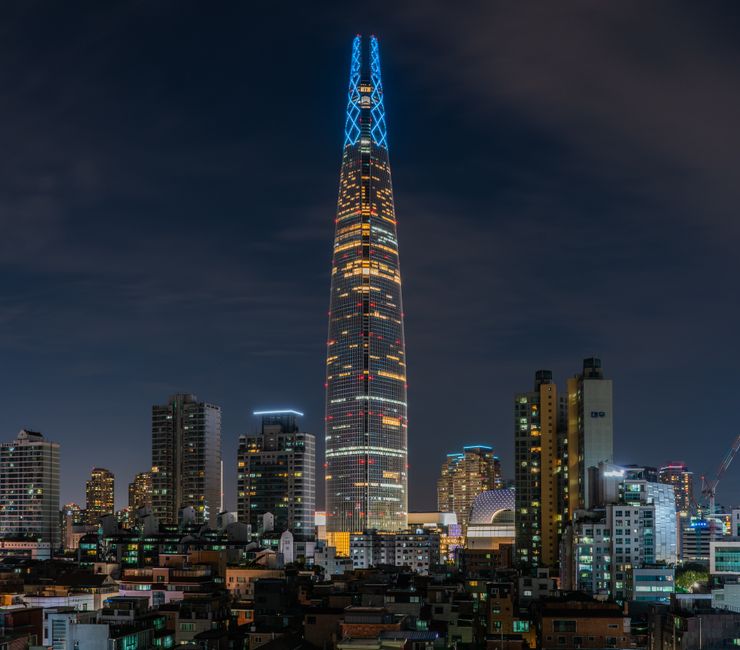
Seoul is the cosmetic surgery capital of the world. Not in an exaggerated way. South Korea performs more cosmetic procedures per capita than any other country, and Gangnam district alone has over 500 clinics packed into a few square kilometres. International patients fly in for rhinoplasty, double eyelid surgery, jawline contouring, and V-line procedures that Korean surgeons have perfected over decades. The results draw patients from every continent.
But here is something the clinic brochure does not mention: staying connected in South Korea as an international patient is harder than you would expect from one of the most technologically advanced countries on Earth. Korea has world-class 5G and LTE networks. Speed is not the issue. The issue is access. Public Wi-Fi networks almost always require a Korean phone number for SMS verification. You cannot get one as a tourist without an Alien Registration Card (ARC), which only long-term residents qualify for. Traditional SIM registration is tied to ARC or Korean ID. And the apps you need (KakaoTalk, Kakao T, Naver Maps) all work best with a local data connection running at all times.
An eSIM cuts through all of this. You activate it before your flight, land at Incheon with data already working, and your phone functions like a local device from the moment you step off the plane. For a recovery stay of 7 to 14 days where your phone is your lifeline, this is not a nice-to-have. It is essential infrastructure.
Why Cosmetic Surgery Patients in Korea Need Their Own Data
A regular tourist in Seoul can get by with spotty Wi-Fi and some pre-downloaded maps. A cosmetic surgery patient cannot. Your entire recovery revolves around your phone, and the coordination with your clinic happens through apps that require constant connectivity.
Korean cosmetic clinics communicate with international patients through both KakaoTalk and WhatsApp. KakaoTalk is Korea's dominant messaging app. Think of it as the Korean WhatsApp, except it does more: payments, taxi booking, food ordering, and business communication all run through it. Your clinic coordinator will likely message you on both platforms, and the Korean staff (nurses, front desk, post-op care team) will default to KakaoTalk. If you are not on KakaoTalk, you miss the fastest channel of communication with your surgical team.
Here is what you need mobile data for during a cosmetic surgery recovery in Seoul:
- KakaoTalk with your clinic. Appointment reminders, post-op check photos, medication instructions, and follow-up scheduling. The Korean staff will reach you here first
- WhatsApp with your international coordinator. Most clinics have a dedicated English-speaking coordinator for overseas patients who uses WhatsApp. You need both apps running
- Kakao T for taxis. This is Korea's Uber equivalent, and it works significantly better than Uber in Seoul. You will use it for every clinic visit, pharmacy trip, and follow-up appointment. Regular taxis in Seoul are hard to hail, and drivers rarely speak English
- Naver Maps for navigation. Google Maps is unreliable in South Korea. It does not have driving directions and public transit routing is incomplete. Naver Maps is what locals use, and it is what you need for finding clinics, pharmacies, and restaurants in Gangnam
- Coupang Eats and Yogiyo for food delivery. During the first 3-5 days after rhinoplasty or jawline surgery, you are not going out to eat. Your face is swollen, bandaged, and bruised. Food delivery apps keep you fed without leaving your hotel room or recovery stay apartment
- Video calls to family. Your family wants to see you are OK. Post-surgery, especially with facial procedures, these calls carry emotional weight. They are long and they use a lot of data, and they matter more than any other use on this list
- Translation apps. Outside of Gangnam's medical district, English proficiency drops sharply. Convenience stores, pharmacies, and restaurants in other parts of Seoul will require translation. Google Translate's camera feature (point at Korean text to get English) is genuinely useful here
- Banking apps and 2FA. Paying your clinic balance, checking your bank account, or authorizing a card transaction from abroad. Your bank will flag the Korean charge and send a verification code to your home number. Dual SIM keeps your original number active alongside the eSIM
- Streaming during recovery. After facial surgery, you are in your room with ice packs on your face. YouTube, Netflix, and Korean variety shows (with subtitles) will get you through the days. This is where the data adds up
How much data do you need in South Korea?
Every plan runs 30 days · Instant QR delivery, no SIM swap.
How Much Data for Cosmetic Surgery Recovery in Seoul?
Recovery timelines for Korean cosmetic procedures vary, and so does your data consumption. Here are the realistic numbers:
| Procedure | Typical Recovery Stay | Recommended Data |
|---|---|---|
| Rhinoplasty | 7-10 days | 10-12 GB |
| Double eyelid surgery (blepharoplasty) | 5-7 days | 7-10 GB |
| Jawline contouring / V-line surgery | 10-14 days | 12-15 GB |
| Combination procedures (nose + eyes + jaw) | 14-21 days | 15-20 GB |
| Fat grafting / facial fat transfer | 7-10 days | 10-12 GB |
Here is what a typical recovery day looks like in terms of data:
| Activity | Daily Data Use |
|---|---|
| Streaming (2-4 hours of YouTube/Netflix) | 2-4 GB |
| Video calls (30 minutes) | ~750 MB |
| KakaoTalk + WhatsApp messaging and photos | ~50 MB |
| Kakao T / transit navigation | ~50 MB |
| Naver Maps | ~30 MB |
| Coupang Eats / Yogiyo orders | ~40 MB |
| Social media and general browsing | ~400 MB |
On a heavy day with streaming and a video call, you are looking at 3-5 GB. On a lighter day where you mostly use messaging apps and food delivery, closer to 1 GB. For a 10-day rhinoplasty recovery with moderate streaming, plan for 10-15 GB to be comfortable. If you download shows to your phone before flying, you can trim the streaming portion significantly.

The Korean SIM Problem and Why eSIM Solves It
South Korea has strict SIM card registration laws. To get a Korean SIM card, you need an Alien Registration Card (ARC), which is only issued to people staying in Korea for more than 90 days on a specific visa. Short-term visitors and medical tourists do not qualify.
There are tourist SIM options at Incheon Airport, but the counters have long queues during peak arrival times, the plans are often overpriced, and the registration process involves paperwork and passport scanning that can take 20-30 minutes. After a long flight, standing in line to buy a SIM card is the last thing you want to do when your clinic coordinator has already sent pickup instructions to your phone.
An eSIM bypasses all of this. You install it before departure. It activates the moment your plane touches down and your phone connects to KT, SK Telecom, or LG U+ networks. No ARC needed. No airport counter. No registration forms. You walk off the plane and your phone works on Korean data immediately.
This also matters for a specific Korean connectivity issue: public Wi-Fi verification. Seoul has extensive public Wi-Fi (in metros, cafes, shopping centres), but nearly all of it requires an SMS verification code sent to a Korean mobile number. Without a Korean number, you cannot connect to most public Wi-Fi. Your eSIM gives you data regardless, so the public Wi-Fi restriction becomes irrelevant.
Gangnam and Beyond: Where You Will Be and What Coverage Looks Like
Gangnam is where the majority of cosmetic surgery clinics are concentrated. The area around Gangnam Station and Sinnonhyeon Station is sometimes called "Beauty Belt" or "Plastic Surgery Street." 5G and LTE coverage here is flawless. Download speeds regularly hit 100-300 Mbps on LTE and can exceed 500 Mbps on 5G. You will not have connectivity issues in Gangnam.
Myeongdong and Hongdae are popular shopping and entertainment districts where recovering patients often visit once they feel well enough to leave the hotel. Coverage is equally strong. These are dense urban areas with full network saturation.
Incheon Airport has excellent coverage throughout all terminals, the transit hotel, and the airport rail express (AREX) that connects to central Seoul. Your eSIM will be working before you clear immigration.
Recovery stays and hotels in Gangnam typically have hotel Wi-Fi, but it is shared among many guests. Cosmetic surgery tourists often stay in officetel (studio apartment) buildings near their clinic, and the Wi-Fi quality in these varies wildly. Some have fibre connections, others have barely usable shared networks. Your eSIM means you are never dependent on the quality of the building's internet.
Seoul metro has cellular coverage in stations and on trains. You can use Kakao T, check messages, and browse while riding the subway between your hotel and the clinic. If you visit Jeju Island or Busan after recovery, coverage is equally strong. Anywhere a cosmetic surgery patient would realistically go in South Korea has robust LTE or 5G service.
The Language Barrier in Korea Is Real Outside the Clinic
Korean cosmetic surgery clinics that cater to international patients have English-speaking coordinators, multilingual websites, and staff trained to communicate across languages. Inside the clinic, you are taken care of. Outside the clinic is a different story.
The convenience store clerk near your hotel, the pharmacy staff, the restaurant server, the taxi driver (if you are not using Kakao T). Most do not speak English. Korean is a language isolate, and while younger Koreans study English in school, practical conversational ability outside tourist-facing businesses is limited.
This makes your phone indispensable for daily life during recovery. Google Translate with the camera feature lets you point your phone at Korean menus, signs, medication labels, and instructions to get instant translations. The live conversation feature works for basic exchanges with pharmacy staff. Papago (Naver's translator) is considered more accurate for Korean-English translation and is worth downloading before your trip.
For food delivery, Coupang Eats has some English interface support, but menu descriptions are overwhelmingly in Korean. Having a translation app running simultaneously helps you figure out what you are ordering. Yogiyo is similar. Both apps work well over mobile data and are essential for the first few days of recovery when going outside is not an option.
Dual SIM: Why It Matters for Medical Tourists in Korea
Your bank does not know you are in Korea for surgery. All it sees is a transaction in Korean won from a Seoul merchant, and it flags it. A verification code gets sent to your home phone number. If that number is not active, you cannot verify the transaction, and your payment fails. Potentially at the clinic reception desk on the day of your final payment.
Dual SIM solves this cleanly. Your eSIM handles Korean data (Naver Maps, KakaoTalk, Kakao T, food delivery, streaming). Your physical SIM from home stays active for calls, texts, and the 2FA codes your bank sends. Both run simultaneously on the same phone. Modern iPhones (XR and later) and most Samsung Galaxy phones support this natively.
This is not just about banking. Two-factor authentication codes for email accounts, health insurance portals, airline apps (if you need to change your return flight after extending your stay for an extra follow-up), and other services all send codes to your home number. Having both SIMs active means you never lose access to accounts that rely on your original phone number.
FAQs — eSIM for Cosmetic Surgery in South Korea
Can I use my eSIM data for KakaoTalk and Kakao T?
Yes. Both apps work over any mobile data connection. KakaoTalk requires a phone number for initial registration, but you can register it with your home number before traveling. Once registered, it works over your Korean eSIM data. Kakao T works the same way. Register with your home number, then use it over Korean data to book taxis throughout Seoul.
Why does Naver Maps work better than Google Maps in South Korea?
South Korean national security laws restrict the export of detailed mapping data, which limits Google Maps' accuracy and features within the country. Google Maps cannot provide driving directions in Korea, and its public transit data is incomplete. Naver Maps has full access to Korean geographic data, detailed building-level navigation, real-time bus and subway information, and street-level directions. Download it before your trip.
How long does a typical cosmetic surgery stay in Seoul last?
Most patients stay 7 to 14 days. Rhinoplasty requires a cast for about a week, with a follow-up appointment for cast removal. Jawline contouring and V-line surgery need 10-14 days for initial swelling reduction and stitch removal. Double eyelid surgery is faster, often 5-7 days. If you are combining procedures (a common approach in Korea), plan for 14-21 days to allow for staggered follow-ups.
Do I need a Korean phone number for anything?
You do not need a Korean phone number if you have eSIM data. The main situation where a Korean number helps is public Wi-Fi verification, but with eSIM data you do not need public Wi-Fi. Some Korean websites and services require Korean phone verification, but these are aimed at residents (banking, government services) and not relevant to medical tourists. Your clinic will communicate via KakaoTalk and WhatsApp using whatever number you registered with.
What if I run out of data during my recovery stay?
You can purchase additional eSIM data directly from your phone without visiting a store. The process takes a few minutes and the new data activates immediately. That said, it is more cost-effective to start with a plan that covers your full stay. For a 10-day rhinoplasty recovery, a 10-15 GB plan gives you comfortable headroom for messaging, navigation, food delivery, video calls, and moderate streaming.
Is 5G available on eSIM in South Korea?
South Korea was one of the first countries to deploy commercial 5G, and coverage in Seoul is extensive. Whether your eSIM connects to 5G or LTE depends on your eSIM provider and plan. Either way, LTE speeds in Korea (typically 50-150 Mbps) are more than sufficient for streaming, video calls, and every app you will use during recovery. You will not notice a practical difference for daily use.
Ready to sort out your data before surgery? View South Korea eSIM plans
Related reading: Complete South Korea eSIM Guide | Medical tourism connectivity guide
Related Reading
Last updated