
eSIM in Ecuador: Coverage, Setup & How Much Data You Need
How eSIM Works in Ecuador
Ecuador is compact but varied — colonial Quito, the Amazon basin, the Avenue of the Volcanoes, coastal beaches, and the Galápagos are all within reach. Mobile data in Quito works from the moment you clear Mariscal Sucre customs, with Guayaquil, Cuenca, and the Andean corridor all on the same plan. A Worldcitisim eSIM keeps you connected without roaming fees or the hassle of local SIM registration on arrival.
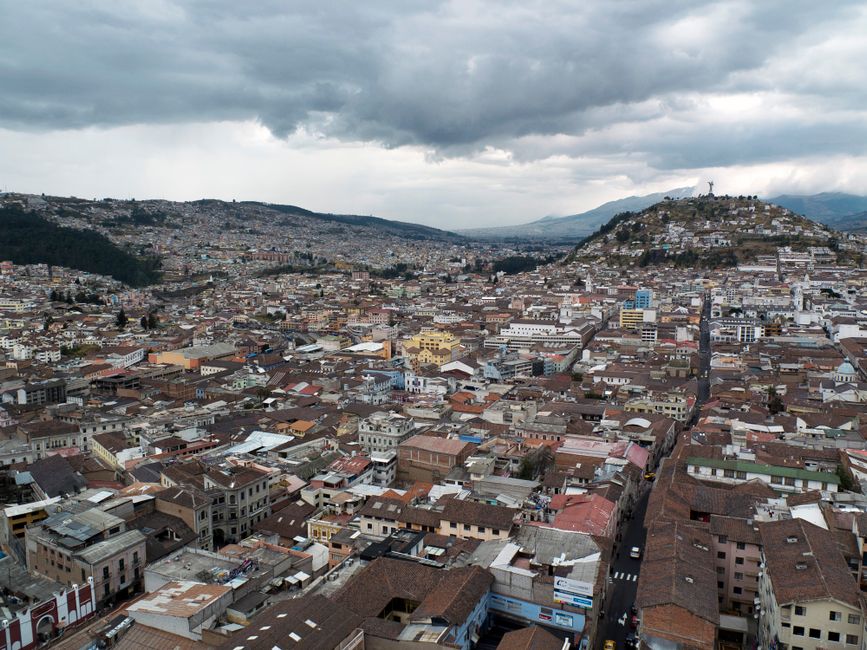
Photo by Margen Cero on Pexels
How much data do you need in Ecuador?
Every plan runs 30 days · Instant QR delivery, no SIM swap.
Why Use an eSIM in Ecuador?
- Instant activation — no physical SIM card needed
- Works on most modern iPhones and Android devices
- Coverage across Ecuador, including Quito, Guayaquil, Cuenca, and the main tourist circuit
- No roaming fees or long-term contracts
Local SIM cards in Ecuador are available from Claro and Movistar. Both require passport registration in Spanish at a carrier store. Airport kiosks at Quito's Mariscal Sucre Airport exist but charge a premium. Once you are in Baños, Otavalo, or any smaller town, finding a carrier store becomes time-consuming. The Galápagos has limited connectivity on any network. An eSIM helps you avoid roaming charges in Ecuador without any in-person registration.
Ecuador has two practical complications. First, Quito's Mariscal Sucre Airport is located 18 km outside the city — the SIM kiosks in the terminal have limited hours, and if you miss them, the next carrier store is in Quito proper, which is a 45-minute drive away. Second, many travelers transit through Ecuador quickly on multi-country trips — Quito to the Galápagos, or Guayaquil to Peru. Spending part of a short visit at a carrier store does not make sense. An eSIM means you are connected the moment you land, whether you are staying for two days or two months.
Coverage and Mobile Networks in Ecuador
Claro has the widest 4G coverage in Ecuador, including secondary cities. The Andes corridor is well covered; Amazon and Galapagos have limited signal.
- Quito — Mariscal Sucre Airport, La Mariscal, La Ronda, La Carolina — mobile data in Quito is consistent across the city
- Guayaquil and the coast (Montañita, Salinas) — mobile data in Guayaquil and the main coastal towns is reliable
- Cuenca and the southern highlands
- Banos and the Tungurahua corridor
- Otavalo and the northern Andes
- Tena and the Amazon gateway (urban coverage; jungle is off-grid)
Mariscal Sucre International Airport (UIO) in Quito has full 4G coverage throughout the terminal. The airport is modern and well-connected. José Joaquín de Olmedo Airport in Guayaquil also has full coverage. Claro is the dominant carrier with the widest reach — it covers most of the Pan-American Highway through the Andes, the coastal highway, and secondary towns. Movistar is competitive in Quito and Guayaquil but weaker in smaller towns. CNT (the state carrier) exists but has limited 4G and is rarely useful for tourists.
In Quito, the historic centre (La Ronda, Plaza Grande), La Mariscal (the main backpacker zone), and modern Quito (La Carolina, González Suárez) all have strong 4G. The Teleférico cable car to the Cruz Loma viewpoint has coverage at the top. The Mitad del Mundo (equator monument) has coverage at the main site.
In the Andes corridor, Otavalo has 4G in town and at the famous indigenous market. Baños has strong coverage — the town, the waterfall route, and the swing at the end of the world (Casa del Árbol) all have signal. The route from Quito to Baños via Ambato is covered through populated areas. Riobamba has coverage, and the road to Alausi (for the Devil's Nose train) is covered in towns with gaps on mountain stretches.
In Cuenca, the colonial centre, El Barranco, and the surrounding areas all have solid 4G. Cuenca's airport has coverage. The road from Cuenca to Guayaquil is covered for most of its length.
The Galápagos are different. Puerto Ayora on Santa Cruz and Puerto Baquerizo Moreno on San Cristóbal have basic coverage — enough for WhatsApp and light browsing. Isabela Island has limited signal in Puerto Villamil. Out at sea, on dive boats, and on uninhabited islands, there is no coverage. Plan your Galápagos connectivity around hotel WiFi rather than mobile data.
On the coast, Montañita (the popular surf town) has 4G in the village. Puerto López, gateway to the Isla de la Plata and whale watching, has coverage in town. Salinas and the Santa Elena coast are well covered. The route from Guayaquil to the coast is covered along the main highway.
Ecuador uses the US dollar, which is convenient for pricing but does not change the SIM registration process. Whether you are paying in dollars or not, the carrier store visit and passport requirements are the same. The eSIM skips all of it.

Photo by DAVE GARCIA on Pexels
City Guide: Using Mobile Data in Ecuador's Top Cities
Quito
Quito is a city built on hills, and mobile data helps you navigate the altitude and the geography. Uber works in Quito and is the easiest way to get around — the city's traffic is intense and street addresses are confusing. Google Maps is essential for finding specific restaurants in La Mariscal, navigating the narrow streets of the historic centre, and figuring out the Ecovía and Trolebus rapid transit routes. WhatsApp is how you book day trips to Cotopaxi, confirm hostel check-ins, and arrange airport transfers from the distant Mariscal Sucre Airport. Mobile data in Quito also lets you check altitude conditions before heading to higher-elevation excursions like Cotopaxi refuge or the Teleférico.
Guayaquil
Guayaquil is Ecuador's largest city and the main gateway to the Galápagos. Uber operates here. Google Maps is helpful for navigating between the Malecón 2000, Parque Seminario (the iguana park), and Las Peñas neighbourhood. WhatsApp is how you confirm Galápagos flight details, book city tours, and communicate with hotels. Mobile data in Guayaquil is especially important for travelers catching early Galápagos flights — having your boarding pass, hotel confirmation, and airport directions accessible on your phone saves time on an already stressful transit day.
Cuenca
Cuenca is a walkable colonial city, but mobile data still matters. WhatsApp is the booking tool for day trips to Ingapirca ruins, Cajas National Park, and artisan workshops. Google Maps helps find specific markets, restaurants, and the Panama hat shops that Cuenca is famous for. Internet for tourists in Cuenca is useful for comparing Spanish schools (many travelers study here) and finding hidden cafes in the atmospheric El Barranco district along the river.
Baños
Baños is Ecuador's adventure capital — canyoning, rafting, bridge jumping, and the waterfall route. WhatsApp is essential for booking activities, and prices vary enough that checking multiple operators on your phone saves money. Google Maps helps navigate the waterfall route (Ruta de las Cascadas) by bike or bus. Mobile data for tourists in Baños also lets you check if the Tungurahua volcano observation points are open and what the current activity level is — useful safety information.
How Does an Ecuador eSIM Work?
- Choose your plan — pick the data and duration that fits your trip to Ecuador
- Receive your eSIM instantly — a QR code is sent to your email right after purchase
- Install and connect — scan the QR code, follow the steps on your phone, and you are ready to go when you land
eSIM vs Local SIM Card in Ecuador
You could buy a local SIM card when you arrive in Ecuador — but here is what that actually looks like:
- Local SIM: Find a Claro or Movistar store at Quito airport (limited hours), bring your passport, complete Spanish-language registration. Once you leave Quito, SIM stores in smaller Andean towns are hard to locate and may require a local address. A prepaid SIM card in Ecuador for tourists involves those steps — the eSIM skips all of them.
- eSIM: Set it up on your phone before you fly. Land in Quito, turn on your data, done. Your maps and hotel confirmation are ready the moment you clear customs.
A Claro SIM at Quito airport costs around $5-10 USD with a basic data package (Ecuador uses the US dollar, so there is no currency conversion confusion). Street-level Claro stores charge less but the registration still requires your passport and a visit during business hours. Movistar has fewer stores and a similar registration process. In Otavalo, Baños, and Cuenca, carrier stores exist in the town centres but may have limited hours — early closings and long lunch breaks are common in the highlands.
Ecuador's dollar economy is an advantage for price transparency, but the SIM registration process still adds friction. Some stores ask for a local phone number for verification, creating the usual tourist catch-22. With an eSIM, you avoid the entire process and have connectivity from the moment your plane touches down in Quito or Guayaquil.
eSIM Plans for Ecuador
Plans start at €6.99 for 1 GB. Choose from 1 GB to unlimited data, with validity from 5 to 30 days. All plans include hotspot sharing so you can connect your laptop or tablet too.
FAQs — eSIM Ecuador
Does eSIM work in Ecuador?
Yes. Ecuador has reliable 4G coverage from Claro and Movistar in all major cities and the main Andean tourist circuit. Our eSIM connects to the strongest available network. Amazon jungle and the Galapagos have limited coverage on any SIM type.
Can tourists use an eSIM in Ecuador?
Yes. No Ecuadorian cedula, no local address, no in-person registration required. Purchase online, receive a QR code by email, and install it before your flight.
When should I activate my Ecuador eSIM?
Install the eSIM profile before you fly — takes about 3 minutes at home on WiFi. Your data does not start counting until you land in Ecuador and turn on mobile data.
Which devices support eSIM?
iPhone XR and newer, Samsung Galaxy S20 and newer, Google Pixel 3 and newer, and most flagship Android phones from 2020 onward. Check Settings > About to confirm eSIM support.
Can I keep my regular phone number while using an eSIM?
Yes. Your physical SIM stays active for calls and texts. The eSIM handles your Ecuadorian mobile data. Both run at the same time.
Does eSIM work in the Galapagos?
Signal in the Galapagos is limited. Santa Cruz (Puerto Ayora) and San Cristobal (Puerto Baquerizo Moreno) have basic coverage, but it is slower and less reliable than the mainland. Remote islands and dive sites have no signal. Plan your connectivity around WiFi at hotels rather than mobile data in the Galapagos.
Does eSIM work in the Amazon jungle around Tena?
In Tena city and river towns, basic coverage is available. Once you enter the deep jungle on a multi-day tour, you are off-grid — this is the same for all SIM types and part of the experience.
Does the Ecuador eSIM work at high altitude in Quito and the Andes?
Yes. Quito at 2,850 metres has full urban 4G coverage throughout the city. The main Andes corridor — Banos, Otavalo, Riobamba — is also well covered in towns. Altitude affects you as a traveler, not the mobile network.
How much data do I need for two weeks in Ecuador?
For two weeks of typical travel — Google Maps, WhatsApp, booking tours and transport — 5 GB covers most travelers. Ecuador is a compact country so you are not spending as much time in transit as in larger destinations.
Can I share Ecuador eSIM data as a hotspot?
Yes. All plans include hotspot tethering. Useful at smaller hotels and hostels in Andean towns where WiFi can be slow or inconsistent.
What happens if I run out of data in Ecuador?
You can purchase a top-up from your phone while still in Ecuador. The new QR code arrives by email and installs in minutes. No store visit or Spanish-language registration required.
Can I use Uber or ride apps in Ecuador with the eSIM?
Yes. Uber operates in Quito and Guayaquil. In smaller cities, InDriver is a common alternative. Both require a live data connection to book and track rides, which the eSIM provides from landing.
Can I use WhatsApp with my Ecuador eSIM?
Yes. WhatsApp is the default communication tool in Ecuador. Hotels, tour operators, bus companies, and restaurants all use it. Having WhatsApp active on mobile data from landing means you can confirm your airport transfer, message your hostel, and arrange tours — all without hunting for WiFi first.
Does the eSIM work for video calls in Ecuador?
Yes. In Quito, Guayaquil, and Cuenca, 4G speeds are fast enough for video calls on Zoom, FaceTime, and WhatsApp Video. In smaller Andean towns, video calls still work but quality depends on local coverage conditions.
Is an Ecuador eSIM good for remote work?
Yes. Quito and Cuenca both have growing digital nomad communities. Ecuador's dollar-based economy and low cost of living make it attractive for remote workers. The eSIM gives you reliable backup data when cafe WiFi drops. Unlimited plans with hotspot tethering are the right choice for working stays.
Does the eSIM work on the bus between Quito and Baños?
Yes. The main route from Quito to Baños via Ambato passes through populated areas with reasonable 4G coverage for most of the journey. Some mountain stretches between towns have weaker signal, but the populated sections and rest stops are covered. The ride takes about 3.5 hours and you will have usable data for the majority of it.
Do I need a VPN in Ecuador?
No. Ecuador does not restrict internet access. All social media, VoIP, streaming, and messaging apps work normally on mobile data. No VPN is required for standard travel use.
Does the eSIM work on Isla de la Plata (the "Poor Man's Galápagos")?
Signal on the island itself is limited — it is an uninhabited nature reserve off the coast of Puerto López. You will have coverage in Puerto López town for booking the boat tour and at the dock area. On the island and during the boat ride, expect limited or no signal. This applies to all SIM types.
How much data do I need for one week in Ecuador?
For a week covering Quito, Baños, and Cuenca — Google Maps, WhatsApp, booking tours and transport, social media — 3 to 5 GB is enough for most people. Ecuador is compact, so you spend less time in long transit than in larger countries. If you are adding the Galápagos, factor in that mobile data use will be minimal there since most connectivity is WiFi-based.
Does the eSIM work on the Tren de la Libertad or other train routes?
Ecuador's tourist train routes pass through Andean landscapes with variable coverage. In stations and towns along the route, coverage is available. On the train itself through mountain passes and valleys, signal comes and goes. The scenery is the attraction on these rides — having data at departure and arrival stations is enough for most travelers.
Does the eSIM work at the Cotopaxi National Park?
At the park entrance and the lower parking areas, basic coverage is available. At the refuge near the summit (4,800 metres), coverage is unreliable. The hiking trail between the parking lot and the refuge may have intermittent signal. Download your maps before entering the park. This applies to all SIM types at this altitude.

Photo by Tommy Picone on Pexels
Get Your Ecuador eSIM Today
Set up before you fly. Land in Quito and you are online.
Related Reading
Last updated
Are you a hotel owner in Ecuador?
Earn commission by offering eSIMs to your guests. No setup cost, no hardware.
Learn about the Hotel Partner Program →