
eSIM in Greece: Coverage, Setup & How Much Data You Need
How eSIM Works in Greece
Greece has 4G LTE coverage across the mainland and on most of its 6,000 islands, including Santorini, Mykonos, Crete, Rhodes, and Corfu. Whether you need mobile data in Athens for the Acropolis and neighbourhood restaurants, in Thessaloniki for the waterfront, or in Santorini to navigate the clifftop villages — no roaming fees, no SIM shop detour. A Worldcitisim eSIM is on your phone before you board. Land connected. Plans from €3.46.
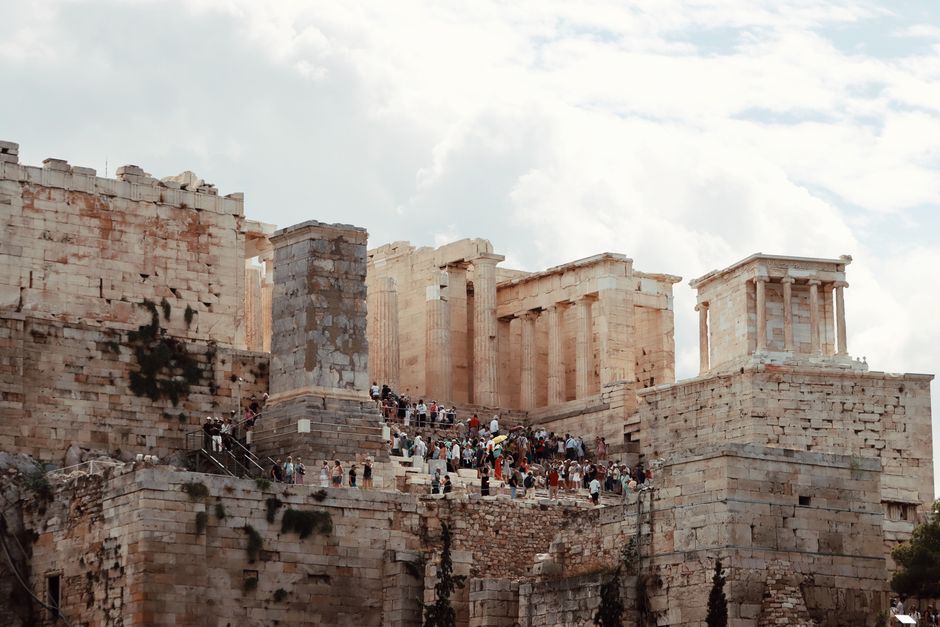
Photo by Efrem Efre on Pexels
How much data do you need in Greece?
10-day plans · classic holiday. Instant QR delivery, no SIM swap.
Why Use an eSIM in Greece?
- Instant activation — no physical SIM card needed
- Works on most modern iPhones and Android devices
- Coverage across Greece, including Athens, Thessaloniki, Santorini, Mykonos, Crete, and the main islands
- No roaming fees or long-term contracts
Greece is an island country — which means mobile data is also your navigation system for ferries, water taxis, and inter-island logistics. Phone shops exist in Athens and major resort towns, but on smaller islands like Paros or Naxos, a Cosmote or Vodafone shop may be a detour you do not want to make on a short trip. An eSIM bought before you fly handles all of it — and helps you avoid roaming charges in Greece from the moment you clear customs.
Greece has a specific problem for tourists arriving on the islands: most island airports have no SIM card shops at all. Santorini, Mykonos, and Crete airports are small regional facilities — you land, grab your bags, and take a taxi or bus directly to your hotel. If you did not sort your data before flying, you are stuck on hotel WiFi until you find a town-center phone shop, which on smaller islands might be one store with limited hours. An eSIM installed before departure means you are online the moment you step off the plane, wherever you land in Greece.
Coverage and Mobile Networks in Greece
Cosmote, Vodafone Greece, and Wind Hellas operate the main networks. 4G coverage is strong across the mainland and major islands, with 5G expanding in Athens and Thessaloniki.
- Athens, Piraeus, and Attica — mobile data in Athens from the airport through the city and down to Piraeus port
- Thessaloniki and northern Greece
- Santorini and the Cyclades
- Crete (Heraklion, Chania, Rethymno)
- Rhodes, Kos, and the Dodecanese
- Corfu, Kefalonia, and the Ionian Islands
Athens International Airport (Eleftherios Venizelos) has full 4G coverage throughout the terminal, the Metro station into the city center, and the bus stops outside. Thessaloniki Airport has good coverage in arrivals and at the taxi and bus pickup area. Island airports — Santorini (JTR), Mykonos (JMK), Chania (CHQ), Heraklion (HER) — all have 4G signal, though these are small terminals without SIM shops. Rhodes and Corfu airports also have coverage throughout their terminals.
Cosmote has the widest coverage footprint in Greece, especially on the islands. It is the network most likely to have signal on smaller islands and in more remote mainland areas. Vodafone Greece and Wind Hellas are strong in cities and popular tourist islands. On Santorini, all three carriers cover Fira, Oia, Perissa, and the main beaches. On Mykonos, Mykonos Town, Ornos, and the southern beaches have strong signal. Crete has comprehensive coverage across Heraklion, Chania, Rethymno, and the northern coast — the Samaria Gorge and White Mountains interior are thinner but main trailheads have signal.
The Peloponnese — Nafplio, Olympia, Monemvasia — has solid 4G in all tourist towns. Northern Greece around Meteora, Ioannina, and the Zagori villages has coverage in settlements, with gaps on remote mountain roads. For island-hopping, the major Cyclades (Paros, Naxos, Ios, Milos) and Dodecanese (Rhodes, Kos) all have reliable 4G in their main towns and popular beaches.
Greek ferry routes between Athens (Piraeus) and the islands have variable coverage — signal is strong near the coast and fades in the middle of open-water crossings. On the shorter Cyclades routes (Paros to Naxos, Mykonos to Tinos), you will have data for most of the journey. On the longer crossings to Crete or the Dodecanese, expect gaps. Blue Star and Hellenic Seaways ferries have onboard WiFi on their newer vessels. The Corfu and Ionian island ferries from Igoumenitsa maintain coverage for much of the short crossing.

Photo by Mike Kw on Pexels
City Guide: Using Mobile Data in Greece's Top Destinations
Athens
Mobile data in Athens is essential for navigating a city that mixes ancient ruins with chaotic modern traffic. You need Google Maps for the winding streets of Plaka and Monastiraki, the Athens Transport app for Metro and bus routes, and online booking for timed-entry tickets to the Acropolis Museum. Restaurant bookings in Psyrri and Exarchia neighborhoods happen through Google Maps reviews and TheFork. The Athens Metro has 4G at all stations. Uber operates in Athens and needs live data.
Santorini
Internet for tourists in Santorini revolves around logistics. The island has no public transport to speak of — you need data to call taxis, check bus schedules from Fira station, and navigate the narrow roads between villages. Online reservations are essential for sunset restaurants in Oia (they book out days ahead), catamaran tours, and wine tasting at Santo Wines or Venetsanos. Coverage across Fira, Oia, Kamari, Perissa, and Akrotiri is strong.
Crete
Crete is large enough to need a car, which means mobile data for navigation is not optional. Google Maps is how you find the hidden beaches along the south coast, navigate the mountain roads to Sfakia, and locate tavernas in the old towns of Chania and Rethymno. Data is also useful for checking ferry schedules to Santorini or other islands. Coverage across northern Crete is comprehensive, with thinner signal in the White Mountains interior.
Thessaloniki
Mobile data in Thessaloniki helps you explore the waterfront promenade, find the best souvlaki and bougatsa spots in Ladadika, navigate the Upper Town's steep streets, and check schedules for day trips to Halkidiki beaches or Mount Olympus. Coverage across Thessaloniki is strong, with 5G available in the city center.
Rhodes and the Dodecanese
Rhodes Old Town is one of the best-preserved medieval cities in Europe — the Street of the Knights, the Palace of the Grand Master, and the narrow alleyways of the old quarter are a genuine labyrinth. Mobile data helps you find your way between the medieval walls, book boat trips to Lindos and Symi island, and check ferry schedules back to the mainland. Coverage in Rhodes Town and the main resort areas (Faliraki, Lindos) is strong. Kos Town also has reliable signal, and day trips between the Dodecanese islands have coverage at each port.
How Does a Greece eSIM Work?
- Choose your plan — pick the data and duration that fits your trip to Greece
- Receive your eSIM instantly — a QR code is sent to your email right after purchase
- Install and connect — scan the QR code, follow the steps on your phone, and you are ready to go when you land
eSIM vs Local SIM Card in Greece
You could buy a prepaid SIM card in Greece for tourists when you arrive — but here is what that actually looks like:
- Local SIM: Find a store (Athens Airport has options, but island airports rarely do), bring your passport, deal with Greek paperwork, wait in line, hope your phone is unlocked
- eSIM: Set it up on your phone before you fly. Land in Athens or Santorini, turn on your data, done. No store, no paperwork, no wasted time
A Cosmote or Vodafone tourist SIM in Greece costs 10-20 EUR for a prepaid plan. You need your passport, and the process takes about 15 minutes. At Athens airport, there is a Cosmote kiosk in arrivals that is usually open during peak hours, but it closes in the evening. On the islands — Santorini, Mykonos, Crete, Rhodes — there are no airport SIM shops. You would need to find a phone store in Fira, Mykonos Town, or Heraklion center, which eats into your first day. An eSIM installed before your flight means you land on any Greek island and have data immediately — no store hunt, no wasted beach time.
Data Usage Tips for Greece
Greece is a country where data use is driven by logistics — ferries, island navigation, and restaurant bookings. Google Maps navigation uses about 5 MB per hour. Scrolling Instagram from a Santorini sunset spot burns through about 100 MB per hour. Video calls run about 300 MB per hour. Streaming music on the beach uses roughly 70 MB per hour. Streaming a show at your hotel takes about 1 GB per hour on standard definition.
A typical day of island-hopping — checking ferry apps, navigating port towns, messaging, and uploading photos from the caldera — uses about 500 MB to 1 GB. Driving in Crete with maps running all day might add another 500 MB. Athens sightseeing with transit apps and booking timed-entry tickets uses about the same. For a two-week trip across Athens and the islands, plan for 1 GB per day as a comfortable average. The FerryHopper app, Google Maps, and restaurant booking apps all depend on live data.
eSIM Plans for Greece
Plans start at €3.46 for 1 GB. Choose from 1 GB to unlimited data, with validity from 5 to 30 days. All plans include hotspot sharing so you can connect your laptop or tablet too.
FAQs — eSIM Greece
Does eSIM work in Greece?
Yes. Greece has strong 4G LTE coverage across the mainland and major islands. Cosmote has the widest network footprint in the country. Worldcitisim eSIMs connect to Greek networks automatically when you arrive.
Can tourists use an eSIM in Greece?
Yes. No Greek AMKA (social security number) or local address required. You buy it online before you travel, scan the QR code, and you are ready to go.
When should I activate my Greece eSIM?
Install the eSIM profile at home before your flight — it only takes a couple of minutes on WiFi. The data activates when you land in Greece and turn on mobile data. No action needed at the airport or ferry port.
Which devices support eSIM?
iPhone XR and newer (including all iPhone 15 and 16 models), Samsung Galaxy S20 and newer, Google Pixel 3 and newer, and most recent iPad Pro and iPad Air models. Check your device settings under Mobile Data or Carrier to confirm eSIM support.
Can I keep my regular phone number while using an eSIM?
Yes. Your physical SIM stays active for calls and texts. The eSIM handles data. Both run simultaneously on your phone.
Does the eSIM work on Greek islands?
Yes. Santorini, Mykonos, Crete, Rhodes, Corfu, Kefalonia, and other major tourist islands all have solid 4G coverage in populated areas, beaches, and resort zones. Very small or remote islands may have limited coverage — the same would be true for any Greek SIM card.
Does the eSIM work on ferries between islands?
Signal on the open water varies. Near ports and coastlines, 4G is usually available. In the middle of the Aegean, you may drop to edge or lose signal entirely — this is normal for any Greek network. Once you approach the next island, signal returns quickly.
Will the eSIM work on smaller islands like Milos, Naxos, or Hydra?
Yes. Milos, Naxos, and Hydra all have mobile coverage in their main towns and beaches — Naxos especially has solid island-wide coverage. Hydra is car-free and smaller, but the port and main village have reliable 4G. On tiny uninhabited islets, there is no coverage, but anywhere people actually stay, you will be connected.
Does the eSIM work in Athens during the summer crowds?
Yes. Athens has strong 4G and 5G coverage. Around the Acropolis and major tourist sites in summer, networks can slow during peak afternoon hours due to crowd density — the same happens with any Greek SIM. Early morning visits to sites usually mean better speeds.
Can I share the eSIM data as a hotspot to share with travel companions?
Yes. Personal hotspot works normally. This is useful if you are island-hopping with others and want one person to manage the data plan. Keep in mind that shared hotspot use drains data faster, so budget accordingly.
How much data do I need for two weeks island-hopping in Greece?
Two weeks of navigation, messaging, restaurant lookups, and photo sharing typically uses 8-15 GB. Island-hopping involves a lot of Google Maps, ferry schedule checks, and transport booking — budget on the higher end. If you plan to video call or stream, go for 20 GB or unlimited.
Is the Greece eSIM good for remote work?
Yes. Athens, Thessaloniki, and Crete all have strong 4G and growing 5G. Speeds in Greek cities handle Zoom, Google Meet, and file uploads without problems. Many digital nomads work from the Greek islands in summer — an eSIM gives you data outside your accommodation, at cafes, and on the beach. For all-day work, budget 15 GB or more.
Can I top up my Greece eSIM if I run out of data?
Yes. Purchase an additional plan from the Worldcitisim dashboard and it activates in minutes. No new QR code scan needed. This is especially useful if you extend your island-hopping itinerary — Greece has a way of making people stay longer than planned.
Does the eSIM work on cruise ships in the Aegean?
Not in open water — ships use satellite internet. When docked at Greek ports like Piraeus, Santorini, Mykonos, Rhodes, or Crete, your eSIM connects to local 4G and works normally. Use port stops to upload photos and catch up on messages.
What is the difference between 4G and 5G coverage in Greece?
4G covers mainland Greece and all major islands. 5G is live in Athens and Thessaloniki city centers. 5G gives faster speeds, but 4G handles everything tourists need — maps, messaging, social media, and video calls. Your eSIM connects to the best available network automatically.
Can I use Google Maps offline in Greece?
Yes. Download maps of Athens, Crete, the Cyclades, and any islands you plan to visit while on WiFi. Use your eSIM for live navigation and ferry tracking, and fall back on offline maps for remote beaches or hiking trails where signal might dip.
Does the eSIM work at Meteora?
Yes. The Meteora monasteries near Kalabaka in central Greece have 4G coverage at the main monasteries and along the access road. The town of Kalabaka itself has reliable signal. You will want data for checking which monasteries are open on which days (they rotate closures) and for navigating the winding road between them.
Does the eSIM work for booking boats and tours on the islands?
Yes. Many Greek island activities — catamaran tours in Santorini, boat trips to Balos lagoon in Crete, snorkeling excursions in Milos — are booked through apps or mobile websites and sell out daily. Having data means you can book same-day activities, check availability, and make payments on the spot. On the major tourist islands, booking ahead online is increasingly required, and data makes the difference between getting a spot and missing out.
What is the best time to install my eSIM before traveling to Greece?
Install it the day before your flight while you are at home on WiFi. The process takes about two minutes. Once installed, the profile stays on your phone and activates when you land in Greece and switch on mobile data. This is especially important if you are flying directly to an island — there is no SIM shop at Santorini or Mykonos airport, so having your eSIM ready beforehand is the only way to land connected.
Get Your Greece eSIM Today
Set up before you fly. Land in Athens and you are online.
Related Reading
Last updated
Are you a hotel owner in Greece?
Earn commission by offering eSIMs to your guests. No setup cost, no hardware.
Learn about the Hotel Partner Program →