
eSIM in Malaysia: Coverage, Setup & How Much Data You Need
How eSIM Works in Malaysia
Malaysia packs a lot into a small country — Kuala Lumpur's towers and night markets, Penang's heritage streets and hawker stalls, Langkawi's beaches, and the rainforests of Borneo. Getting between them and navigating each one efficiently needs data from the moment you land. Mobile data in Kuala Lumpur is ready the moment you clear KLIA arrivals, with Penang, Langkawi, and Kota Kinabalu all on the same plan. Get an eSIM for Malaysia from €3.46 and stay connected across peninsular Malaysia and beyond.

Photo by Suhail Azmi on Pexels
How much data do you need in Malaysia?
10-day plans · classic holiday. Instant QR delivery, no SIM swap.
Why Use an eSIM in Malaysia?
- Instant activation — no physical SIM card needed
- Works on most modern iPhones and Android devices
- Coverage across Malaysia, including Kuala Lumpur, Penang, Langkawi, Kota Kinabalu, and tourist areas
- No roaming fees or long-term contracts
Malaysia is one of the more eSIM-friendly countries in Southeast Asia — the local SIM process is not as bureaucratic as India or Vietnam, but you still need to queue, hand over your passport, and physically swap your SIM at the airport. The Grab app is the main way to get around in KL, Penang, and most Malaysian cities, and it needs a live data connection immediately after landing. KLIA and KLIA2 are large airports and the taxi situation outside is chaotic without Grab — you want your eSIM working before you reach the arrivals hall. It is the simplest way to avoid roaming charges in Malaysia and have Grab ready from the moment you land.
Malaysia's airport situation deserves a note. KLIA (the main terminal) and KLIA2 (the budget/AirAsia terminal) are separate buildings connected by a rail shuttle. If you land at KLIA2, the SIM counter options are fewer and less consistently staffed than at KLIA. Many budget flights from around Southeast Asia land at KLIA2 late at night, when counters may be closed entirely. The Grab pickup zones at both terminals are clearly marked but far from the arrivals halls — you need data to book the car before you start walking.
Coverage and Mobile Networks in Malaysia
Malaysia has strong 4G LTE coverage across peninsular Malaysia and the main cities in Sabah and Sarawak, with growing 5G in urban centres.
- Kuala Lumpur and the Klang Valley — mobile data in Kuala Lumpur covers all main areas from KLCC to Bukit Bintang, Chinatown, and the KLIA corridor. The KL Monorail, LRT, and MRT systems all have cellular coverage throughout, including underground sections. Both KLIA and KLIA2 have full 4G/5G from the moment you land.
- Penang island and Georgetown — mobile data in Penang is reliable across the heritage streets, Gurney Drive, Batu Ferringhi beach, and the main tourist areas. Penang International Airport (PEN) has immediate coverage.
- Langkawi and the northwest coast — Pantai Cenang, Kuah, and the cable car area all have solid 4G coverage. The island's main roads and tourist areas are fully covered.
- Johor Bahru and the Singapore border region — full coverage across the city, the CIQ immigration complex, and the causeway area.
- Kota Kinabalu and Sabah's coast — KK city, the waterfront, and Kota Kinabalu International Airport (BKI) have strong coverage. The islands off the coast (Manukan, Sapi) have coverage from the mainland towers.
- Kuching and Sarawak's main towns — Kuching city, the waterfront, and surrounding areas are well covered.
Malaysia's four main carriers — Maxis, Celcom (now CelcomDigi after the merger), Digi, and U Mobile — provide strong 4G LTE coverage across peninsular Malaysia. CelcomDigi has the widest combined coverage footprint. 5G is rolling out in KL, Putrajaya, and Cyberjaya, with planned expansion to other major cities. Peninsular Malaysia is well-covered along the main highways and in all major towns. In Malaysian Borneo (Sabah and Sarawak), coverage is strong in the cities and along the coast, but drops significantly in the interior jungle areas. Kinabalu Park (the base for climbing Mount Kinabalu) has coverage at the park headquarters and main lodges. The Danum Valley, Mulu Caves, and deeper interior areas have limited or no coverage.
City Guide: Using Mobile Data in Malaysia's Top Destinations
Kuala Lumpur
Kuala Lumpur is Grab country. The city's public transport — MRT, LRT, Monorail, and KTM Komuter — has good coverage but the connections between lines involve significant walking through malls and elevated walkways. Mobile data in Kuala Lumpur is essential for Grab (the dominant ride app), for Google Maps to navigate between Bukit Bintang, KLCC, Chinatown, and KL Sentral, and for finding food. KL is one of the best food cities in Asia, and finding the right hawker center, mamak stall, or nasi lemak spot means checking Google Maps, TripAdvisor, and local food blogs — all of which need data. Jalan Alor night market, the Petaling Street area, and the Brickfields Little India all benefit from having a map running.
Penang (Georgetown)
Georgetown's UNESCO-listed heritage area is walkable but spread out, and the street art trail that tourists follow covers several kilometers. Mobile data in Penang is essential for finding the specific murals and installations (Google Maps has them pinned), for locating the famous hawker stalls — Penang is Malaysia's food capital — and for Grab rides between Georgetown, Batu Ferringhi beach, and Kek Lok Si temple. The hawker stall recommendations are specific: Lorong Baru for char koay teow, Gurney Drive for laksa, and specific stall numbers within the New Lane market. You need data to find them.
Langkawi
Langkawi is a duty-free island with limited public transport. Renting a car or scooter is common, and Google Maps is the primary navigation tool. Internet for tourists in Langkawi is useful for booking the SkyCab cable car (pre-booking avoids the queue), finding the best beaches (Tanjung Rhu, Cenang, Datai Bay), and checking island-hopping tour schedules. Grab operates on Langkawi with limited availability, so having data for calling rental companies and navigating independently is more important here than in KL.
Kota Kinabalu (Borneo)
KK is the gateway to Mount Kinabalu and Borneo's wildlife. Mobile data in Kota Kinabalu is useful for booking the island speedboats to Tunku Abdul Rahman Marine Park, for finding the Filipino Market and night market, and for coordinating with tour operators for Kinabalu Park, Sepilok, and the Kinabatangan River. Grab operates in KK and is the best way to get from the airport to the city center. For travelers heading deeper into Borneo — to Sandakan for Sepilok, or to the Kinabatangan River for wildlife cruises — having data in KK lets you coordinate everything before heading into areas where signal is less consistent.
Johor Bahru
JB is directly across the border from Singapore and many travelers pass through on day trips or border crossings. Mobile data in Johor Bahru is useful for Grab rides (much cheaper than Singapore), for navigating the shopping malls and food centers, and for checking the immigration queue conditions at the Woodlands or Tuas checkpoints. If you are doing a Singapore-Malaysia combo trip, having data that works on both sides of the causeway saves the hassle of switching SIMs at the border.

Photo by Shu Takes Photo on Pexels
How Does a Malaysia eSIM Work?
- Choose your plan — pick the data and duration that fits your trip to Malaysia
- Receive your eSIM instantly — a QR code is sent to your email right after purchase
- Install and connect — scan the QR code, follow the steps on your phone, and you are ready to go when you land
eSIM vs Local SIM Card in Malaysia
You could buy a local SIM card when you arrive in Malaysia — but here is what that actually looks like:
- Local SIM: A prepaid SIM card in Malaysia for tourists is available at KLIA from Maxis, Celcom, Digi, and U Mobile. The process requires your passport and there is usually a queue after international arrivals. SIMs are cheap — that is not the issue. The issue is time and the physical swap. If you are arriving into KLIA2 (the low-cost terminal, used by AirAsia), the counter options are more limited and the queue longer. Late-night arrivals often find counters closed. If you are connecting to Penang, Langkawi, or KK on a domestic flight, the domestic terminals have very limited SIM options.
- eSIM: Set it up on your phone before you fly. Land in Kuala Lumpur, turn on your data, done. No store, no paperwork, no wasted time.
eSIM Plans for Malaysia
Plans start at €3.46 for 1 GB. Choose from 1 GB to unlimited data, with validity from 5 to 30 days. All plans include hotspot sharing so you can connect your laptop or tablet too.
View all Malaysia eSIM plans →
FAQs — eSIM Malaysia
Does eSIM work in Malaysia?
Yes. Malaysia has 4G LTE and 5G coverage through Maxis, Celcom, Digi, and U Mobile. Our eSIM plans use these networks and work reliably across peninsular Malaysia, as well as in Sabah and Sarawak for travelers heading to Borneo. Coverage in deep jungle areas of Borneo is limited, but all main cities and tourist sites are well covered.
Can tourists use an eSIM in Malaysia?
Yes. No Malaysian ID required. You purchase online, receive a QR code, and scan it on your phone. The process takes a couple of minutes and does not require a carrier store visit.
When should I activate my Malaysia eSIM?
Scan and install the QR code before you board your flight — that step requires WiFi. Your data plan activates automatically when you land and your phone connects to a Malaysian network. No action needed at the airport.
Which devices support eSIM?
iPhone XR and newer, Samsung Galaxy S20 and newer, Google Pixel 3 and newer, and most recent iPad models. Check Settings under Mobile Data to confirm your phone supports eSIM before purchasing.
Can I keep my regular phone number while using an eSIM?
Yes. Your physical SIM stays active for calls and texts from your home number. The eSIM handles your data independently. Both work at the same time.
Does the eSIM work in both peninsular Malaysia and Borneo?
Yes. The eSIM plan works across Malaysia including Sabah (Kota Kinabalu, Sandakan) and Sarawak (Kuching, Miri). Coverage in Borneo is strong in the main cities and towns. Once you head into the interior or deep jungle, expect limited signal — but the main entry points for Borneo wildlife trips like Sepilok or the Kinabatangan River lodges have usable coverage.
Is Grab available in Malaysia and does it need data?
Yes, Grab is the dominant transport app across Malaysia. In Kuala Lumpur, Penang, and Johor Bahru, it is the fastest and most reliable way to get around. It needs a live data connection to book rides, track drivers, and pay. With your eSIM active on landing, you are in a Grab car while other travelers are still queuing for taxis.
Does the Malaysia eSIM work in Cameron Highlands?
Yes. Cameron Highlands main towns — Tanah Rata, Brinchang — have 4G coverage. On the plantation roads and jungle walks between towns, signal can be patchy. For the tea farm visits, town navigation, and staying in contact, coverage in the main areas works well.
Does the Malaysia eSIM work in Langkawi?
Yes. Langkawi has solid 4G coverage across the main tourist areas — Pantai Cenang, Kuah, and the cable car zone. The island is well-served for a Malaysian resort destination, and coverage is consistent in all the main beach and town areas.
How much data do I need for two weeks in Malaysia?
For two weeks covering Kuala Lumpur, Penang, and Langkawi — Grab rides, maps, food apps, WhatsApp — 7 GB is comfortable for most travelers. Malaysia is a food-obsessed country and you will spend a lot of time researching and navigating to hawker centers, which means steady data use.
Can I share Malaysia eSIM data as a hotspot?
Yes. All plans include hotspot tethering. Useful if you want to connect a laptop at a cafe or if your accommodation WiFi is slow — a common occurrence in Penang's heritage hotels and smaller guesthouses.
What happens if I run out of data in Malaysia?
You can purchase a top-up from your phone while still in Malaysia. A new QR code arrives by email and installs in minutes. No carrier store queue, no passport required.
Does the eSIM work on the KL Monorail, LRT, and MRT?
Yes. Kuala Lumpur's entire rail transit network — including the MRT (which runs underground in the city center), the LRT, and the Monorail — has cellular coverage throughout. You will have signal at all stations and between stops. This is important because KL's transit connections involve a lot of walking through malls and elevated walkways, and Google Maps is the best way to find your way between lines.
Can I use the eSIM on the Perhentian Islands and Tioman?
The Perhentian Islands have basic coverage in the main village and beach areas on both Perhentian Besar and Perhentian Kecil. Tioman Island has coverage in the main village areas like Tekek and Salang. Both islands have limited infrastructure and signal is weaker than on the mainland. For booking return boats, basic messaging, and staying in touch, coverage in the main areas is generally sufficient.
Can I use the eSIM for crossing the border to Singapore at Johor Bahru?
Yes. If your eSIM plan covers Malaysia only, it works up to the border. If you have a regional plan that includes both Malaysia and Singapore, it will switch networks at the border crossing. The JB-Singapore causeway area has full coverage on both sides. For travelers doing a day trip from Singapore to JB (or vice versa), an eSIM that covers both countries is the simplest solution.
Can I use the eSIM for the Borneo rainforest and wildlife trips?
In the main towns and resort areas of Borneo — Kota Kinabalu, Sandakan, Kuching — coverage is strong. At Sepilok Orangutan Rehabilitation Centre and along the Kinabatangan River at the main lodges, there is usable signal. Kinabalu Park headquarters has coverage. However, deep jungle areas, the Danum Valley interior, and Mulu Caves (beyond Mulu town) have limited or no coverage. For coordinating transport, booking tours from town, and basic communication at the main tourist stops, the eSIM works well.
Is Malaysia's mobile coverage better than Indonesia's or the Philippines'?
On peninsular Malaysia, yes — coverage is more consistent and faster than both Indonesia and the Philippines, comparable to Thailand. Malaysia's advantage is that peninsular Malaysia is geographically compact with excellent highway and rail infrastructure that carriers have covered thoroughly. Malaysian Borneo (Sabah and Sarawak) is more uneven, similar to Indonesia's outer islands. For the standard tourist route — KL, Penang, Langkawi — Malaysia's coverage is among the best in Southeast Asia.
Can I use Google Translate at hawker centers in Malaysia?
Yes. While many Malaysian hawker center stalls have English menus (especially in KL and Penang), some stalls in more local areas have menus only in Malay or Chinese. Google Translate's camera mode works with Malay and Chinese text, and uses minimal data per translation. It is useful for reading hand-written menu boards and for understanding ingredients if you have dietary restrictions.
Do I need a VPN with my eSIM in Malaysia?
No. Malaysia does not block Google, WhatsApp, Instagram, Gmail, or other major Western services. All your usual apps work normally. Some gambling and adult content sites are blocked, but nothing that affects standard tourist use.
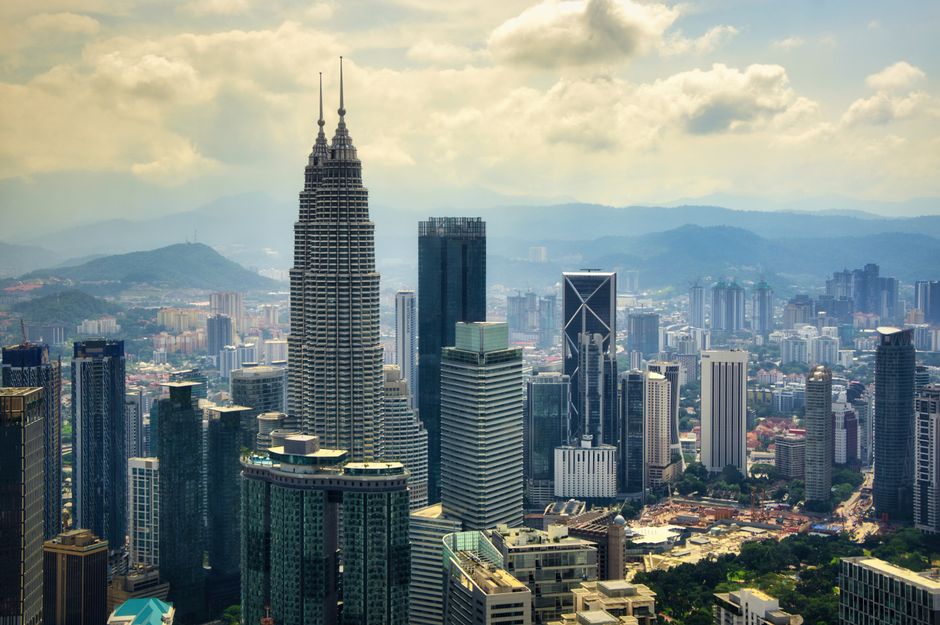
Photo by Joerg Hartmann on Pexels
Get Your Malaysia eSIM Today
Set up before you fly. Land in Kuala Lumpur and you are online.
Related Reading
Last updated
Are you a hotel owner in Malaysia?
Earn commission by offering eSIMs to your guests. No setup cost, no hardware.
Learn about the Hotel Partner Program →