
eSIM in Malta: Coverage, Setup & How Much Data You Need
How eSIM Works in Malta
Malta packs more history per square kilometer than almost anywhere in Europe — Valletta's UNESCO-listed streets, the prehistoric temples of Hagar Qim, the walled city of Mdina, and the quieter island of Gozo just a short ferry ride away. You will use your phone constantly here, whether for finding restaurants in the backstreets of Valletta or navigating to the Blue Lagoon on Comino. Mobile data in Valletta and across the main island runs on 4G and 5G — fast enough for maps, streaming, and video calls anywhere you are likely to stay. A Malta eSIM gets you connected before you land, with no roaming fees and no SIM card to track down.
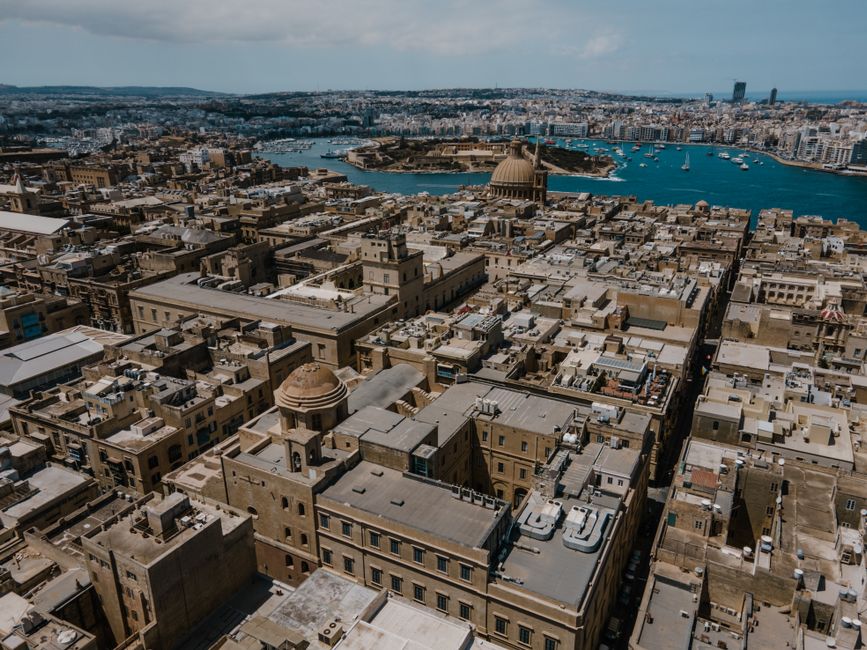
Photo by Polina on Pexels
How much data do you need in Malta?
10-day plans · classic holiday. Instant QR delivery, no SIM swap.
Why Use an eSIM in Malta?
- Instant activation — no physical SIM card needed
- Works on most modern iPhones and Android devices
- Coverage across Malta and Gozo, including Valletta, Sliema, St Julian's, and all ferry routes
- No roaming fees or long-term contracts
Malta is an EU member, but EU roaming rules only apply to travelers from other EU countries on European carrier plans — and even then, some carriers add "fair use" limits that make roaming expensive once you hit a threshold. Travelers from the US, UK, Canada, and Australia are not covered by EU rules at all and need to avoid roaming charges in Malta through a dedicated plan. A Malta eSIM is the cleaner, more predictable option.
Malta also has a specific practical consideration: the islands are small but packed with things to see, and addresses are not always straightforward. Maltese place names and street names are in Maltese (a Semitic language), and many locations do not have clear numbers. Google Maps pins are how tourists find specific restaurants, churches, and viewpoints. Without mobile data, navigating between Valletta, the Three Cities, Mdina, and the temple sites involves guesswork. The bus system covers the island but routes are not always intuitive — the Tallinja app for bus routes requires data to work in real time. An eSIM means all of this is sorted before you land at Malta International Airport.
Coverage and Mobile Networks in Malta
Malta has excellent 4G and 5G coverage across both Malta and Gozo from three operators — GO, Melita, and Epic (formerly Vodafone Malta). The islands are small and well-covered.
- Valletta and the Three Cities (Vittoriosa, Senglea, Cospicua) — mobile data in Valletta runs on 4G and 5G throughout the historic center
- Sliema and St Julian's — mobile data in Sliema covers the seafront, hotel strip, and shopping area
- Mdina and Rabat
- Marsaxlokk and the southeastern coast
- Gozo island, including Victoria (Rabat) and Marsalforn
- Comino and the Blue Lagoon ferry route
Malta's three carriers — GO (the former state telecom), Melita (strong on data and broadband), and Epic (the Vodafone rebrand) — compete on two islands that are a combined 316 square km. This means coverage is essentially total — every town, every beach, every temple site. GO has invested in 5G across Valletta and Sliema, and Melita has strong 5G in St Julian's and the business district. Epic covers the main island comprehensively.
Gozo, Malta's second island, is smaller and quieter but equally well-covered. Victoria (Rabat), Marsalforn, Xlendi Bay, and the Ggantija Temples all have full 4G from all three carriers. The Gozo ferry from Cirkewwa to Mgarr runs every 45 minutes, and you have signal throughout the crossing — the channel between the islands is narrow enough that shore towers cover it.
Comino — the tiny island between Malta and Gozo known for the Blue Lagoon — has signal from Maltese towers on both neighboring islands. Coverage at the Blue Lagoon itself is reliable in the main swimming and boat areas. The rest of Comino (there are only about 4 permanent residents) has intermittent coverage depending on your position relative to the nearest tower.
City Guide: Using Mobile Data in Malta's Top Destinations
Valletta
Valletta is a UNESCO World Heritage city built by the Knights of St. John — every street is steeped in history, and the Grand Harbour views from the Upper Barrakka Gardens are among the finest in the Mediterranean. Mobile data in Valletta is essential for navigating the grid of streets (they look orderly on a map but the steep inclines and one-way pedestrian flows make it disorienting in practice), for booking the Barrakka Lift (an elevator from the harbor to the upper city), and for finding restaurants in the side streets off Republic Street. The Renzo Piano-designed City Gate and Parliament building are at the entrance, and the Co-Cathedral of St. John requires timed tickets — buying them online with data is easier than queuing. Malta's bus hub is just outside Valletta's walls, and the Tallinja app shows real-time bus locations.
Sliema and St Julian's
Sliema and St Julian's are the modern hotel and nightlife districts — the seafront promenade, the Tigne Point shopping complex, the Paceville nightlife area, and the Spinola Bay restaurants. Internet for tourists in Sliema matters for finding the right restaurant along the waterfront (there are dozens), for Bolt rides (which work in Malta), and for navigating between Sliema and Valletta by ferry (a 10-minute crossing that is more scenic than the bus). Coverage is strong throughout both areas with 5G active along the Sliema seafront.
Mdina
Mdina is the old capital — a silent, walled city on a hilltop in the center of the island, with Norman and medieval architecture, a cathedral, and sweeping views from the bastions. Cars cannot enter. Mobile data in Mdina covers the entire walled city and the surrounding Rabat neighborhood. Finding the specific viewpoints and the best restaurants inside the walls is easier with a phone — the city is small but the alleyways are disorienting. The St. Paul's Catacombs in Rabat (just outside Mdina's walls) require a short walk from the main gate, and navigation data helps.
Gozo
Gozo is Malta's quieter island — Victoria (Rabat) at the center with the Citadella fortress, the red sand beach at Ramla Bay, the Ggantija Temples (older than the Egyptian pyramids), and the salt pans at Marsalforn. Mobile data on Gozo covers all main towns and attractions. Getting around Gozo requires either a rental car or the local bus network, and both benefit from working navigation. The island is only 14 km long, but the roads are narrow, winding, and not always well signed. Having Google Maps running is the standard approach.
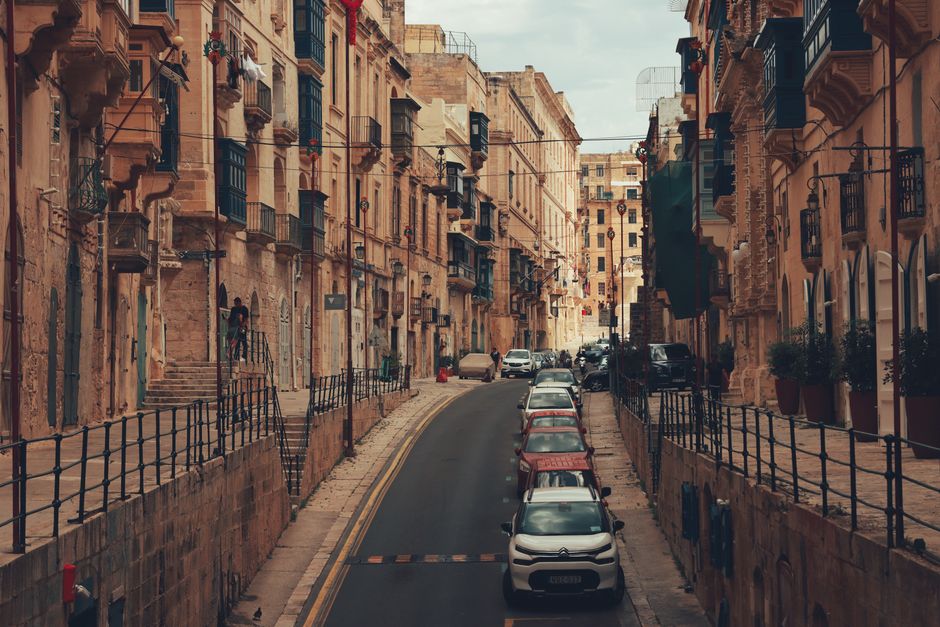
Photo by Efrem Efre on Pexels
How Does a Malta eSIM Work?
- Choose your plan — pick the data and duration that fits your trip to Malta
- Receive your eSIM instantly — a QR code is sent to your email right after purchase
- Install and connect — scan the QR code, follow the steps on your phone, and you are ready to go when you land
eSIM vs Local SIM Card in Malta
You could buy a local SIM card when you arrive in Malta — but here is what that actually looks like:
- Local SIM / prepaid SIM card Malta for tourists: Find a GO, Melita, or Epic shop (Malta International Airport has limited options in the arrivals area), present your passport, wait while they set it up, hope the timing works
- eSIM: Set it up before you fly. Land in Malta, turn on your data, done. You are reading your hotel directions before you get on the airport bus
Malta International Airport (Luqa) has a GO kiosk in the arrivals area that is usually open during business hours. A Maltese prepaid SIM with 5-10 GB costs about 10-15 EUR, and registration requires your passport. In Sliema and Valletta, GO, Melita, and Epic stores are on the main shopping streets, but they can have wait times during tourist season. Malta receives over 3 million tourists a year on two small islands, and SIM demand in peak summer (June-September) can strain the small airport kiosk. An eSIM avoids the queue entirely and costs roughly the same.
eSIM Plans for Malta
Plans start at €3.46 for 1 GB. Choose from 1 GB to unlimited data, with validity from 5 to 30 days. All plans include hotspot sharing so you can connect your laptop or tablet too.
FAQs — eSIM Malta
Does eSIM work in Malta?
Yes. Malta has strong 4G and 5G coverage from GO, Melita, and Epic across both the main island and Gozo. The islands are small enough that coverage is almost universal in tourist areas.
Can tourists use an eSIM in Malta?
Yes. No Maltese ID or local registration is required for a Worldcitisim eSIM. Purchase, scan the QR code, and you are done.
When should I activate my Malta eSIM?
Install the eSIM on your phone at home before you fly. It activates when you arrive in Malta and turn on mobile data. Your plan duration starts from first use.
Which devices support eSIM?
iPhone XR and newer, Samsung Galaxy S20 and newer, Google Pixel 3 and newer, and most flagship Android phones from recent years. Check your device settings under Mobile Data to confirm eSIM support.
Can I keep my regular phone number while using an eSIM?
Yes. Your physical SIM stays active for calls and texts. The eSIM provides mobile data. Both work at the same time.
Does my eSIM work on Gozo and Comino?
Yes. Gozo is well covered by Maltese networks, especially in Victoria and the coastal towns. Comino's Blue Lagoon area has coverage in high season. The ferry crossing between Malta and Gozo is also covered.
Is Malta's mobile data fast enough for video calls?
Yes. Malta has 4G speeds that handle video calls, streaming, and navigation easily. In Valletta and Sliema, many areas now have 5G, which is significantly faster.
Is Malta covered by European eSIM plans?
Malta is an EU member, so it is included in most multi-country European eSIM plans. If you are visiting Malta as part of a wider Mediterranean or Europe trip, check whether a regional plan covers it — it often works out cheaper than buying a standalone Malta plan for a short stay.
How much data do I need for a week in Malta?
Malta is small enough that you will not be doing long drives, but you will be navigating between sites frequently. For a week of daily use — maps, restaurant searches, messaging, some streaming — 3 GB is usually enough. If you work remotely or stream video regularly, go for 5-10 GB.
Can I use WhatsApp and make video calls from Malta?
Yes. WhatsApp calls, FaceTime, and video chat apps all work normally on a Malta eSIM. Malta's 4G and 5G speeds are fast enough that call quality is generally excellent.
Does the Malta eSIM work for remote work?
Yes. Malta has strong mobile infrastructure and is popular with digital nomads and remote workers (the country even offers a nomad residence permit). The hotspot feature lets you work from your laptop on phone data. Sliema and St Julian's have excellent 5G speeds for bandwidth-intensive tasks.
Can I top up my Malta eSIM?
Yes. Purchase an additional plan from Worldcitisim. Most phones handle multiple eSIM profiles. For week-long Malta trips, 3-5 GB plans are usually sufficient.
What happens if I lose signal in Malta?
Signal loss in Malta is extremely rare given the islands' small size and dense coverage. The only places with potential signal issues are inside underground historical sites (the Hypogeum, catacombs) and in a few remote coastal caves. Everywhere above ground has coverage.
Does the eSIM work on boat trips to Comino?
Yes. The channel between Malta, Comino, and Gozo is narrow enough that land-based towers provide coverage throughout the boat trip and at the Blue Lagoon. Signal is reliable for the popular boat tour routes.
Does the eSIM work on cruise ships in Malta?
Ships docked at Valletta's Grand Harbour connect to Maltese land networks. Coverage at the cruise terminal is excellent. At sea, the ship uses satellite networks not covered by your eSIM.
Can I use Google Maps offline with an eSIM?
Yes. Download the Malta offline map — it is a tiny download given the islands' size. Use eSIM data for live bus tracking and restaurant updates, and the offline map as backup. In practice, Malta's coverage is so comprehensive you probably will not need the offline map.
What is the difference between 4G and 5G in Malta?
4G covers all of Malta and Gozo. 5G is active in Valletta, Sliema, St Julian's, and expanding to other areas. For travel use, 4G handles everything. 5G provides faster speeds for streaming and remote work.
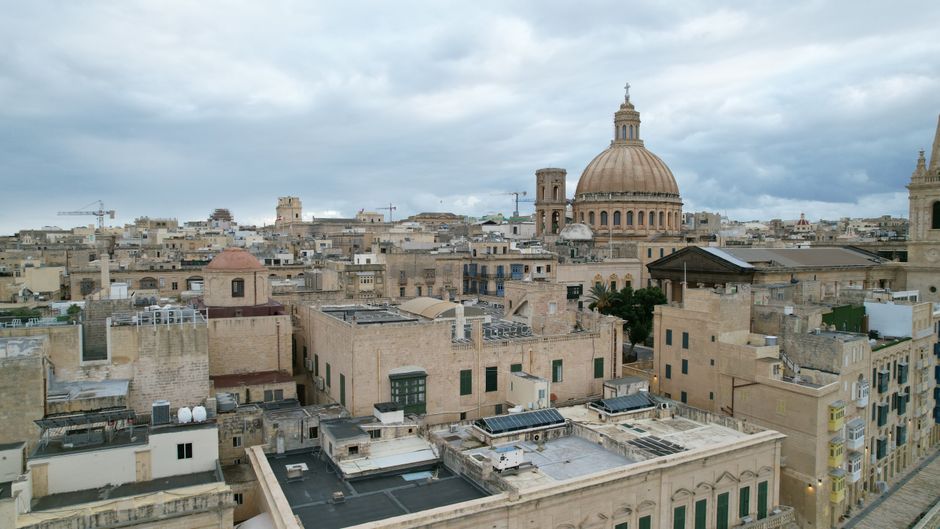
Photo by Mirek Jackow on Pexels
Get Your Malta eSIM Today
Set up before you fly. Land in Valletta and you are online.
Related Reading
Last updated
Are you a hotel owner in Malta?
Earn commission by offering eSIMs to your guests. No setup cost, no hardware.
Learn about the Hotel Partner Program →