
eSIM in Moldova: Coverage, Setup & How Much Data You Need
How eSIM Works in Moldova
Moldova is Europe's most off-the-beaten-path destination — and that is exactly its appeal. Chișinău has a genuine, unpolished energy, the medieval rock monastery at Orheiul Vechi is genuinely breathtaking, the wine estates in the Codru and Purcari regions are world-class, and the Nistru River valley is barely visited. Mobile data matters here more than in most countries — English signage is sparse and navigation apps are essential. Mobile data in Chișinău is reliable on 4G across the capital, covering the center, main boulevards, and airport corridor. A Moldova eSIM from €4.33 gets you connected from landing.
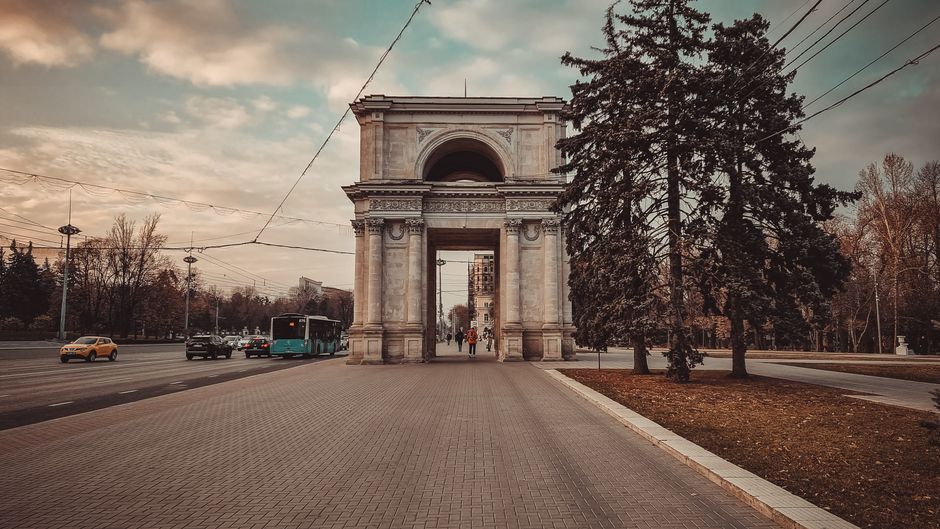
Photo by Marius Grigoriu on Pexels
How much data do you need in Moldova?
10-day plans · classic holiday. Instant QR delivery, no SIM swap.
Why Use an eSIM in Moldova?
- Instant activation — no physical SIM card needed
- Works on most modern iPhones and Android devices
- Coverage across Moldova, including Chișinău, Orheiul Vechi, and the wine regions
- No roaming fees or long-term contracts
Moldova is not in the EU, so EU roaming rules do not apply here at all. EU travelers are often caught off guard — their carrier either does not support Moldovan networks or charges very high roaming rates. The most practical way to avoid roaming charges in Moldova is to set up an eSIM before your trip. The country is small, so a modest data plan covers everything you need.
Moldova is also a country where being offline is genuinely difficult for navigation. Unlike Western European cities where street signs, metro maps, and English-language signage keep you oriented, Moldovan towns use Cyrillic or Romanian signage, bus routes are not posted in English, and the wine estate roads are unmarked rural lanes. Google Maps is how you get from Chișinău to Cricova's underground wine cellars (the entrance is not obvious from the road), how you navigate to Orheiul Vechi (a series of turns off the main highway with minimal signage), and how you find anything in Chișinău itself beyond the main boulevard. Public transport in Chișinău runs on marshrutkas (minibuses) with routes displayed in Romanian — having a transit app or Google Maps is the difference between getting where you want to go and riding to the wrong edge of the city.
Most visitors arrive via Chișinău International Airport, but some enter overland from Romania (through Iași or from Bucharest via bus) or from Ukraine. At all entry points, mobile data from the first minute matters. The Moldovan-Romanian border crossings can take time, and having data to check wait times, message your accommodation, and confirm directions is important.
Coverage and Mobile Networks in Moldova
Moldova has 4G LTE coverage from Moldcell (Orange), Unite (moldtelecom), and Starcom across urban areas and most tourist regions. Coverage in rural Codru hills and forested areas can be patchy.
- Chișinău and the capital region — mobile data in Chișinău covers the main boulevards, Stefan cel Mare central park, Botanica district, and all hotel areas
- Orheiul Vechi and the Răut River valley — coverage at the monastery viewpoint and in the village of Butuceni below
- Cahul and southern Moldova
- Bălți and the northern region — Moldova's second-largest city with full 4G
- Cricova and Mileștii Mici wine estates — coverage on the roads to both complexes
- Purcari and the southeastern wine region
Moldcell (part of the Orange group) is the most widely used carrier and has the broadest 4G coverage, including the main inter-city routes and tourist destinations. Moldcell covers the M2 highway (Chișinău to Bălți), the M1 (Chișinău toward Bender and the Romanian border), and the routes to the wine regions. Unite (operated by moldtelecom, the state carrier) has been expanding 4G coverage and covers all urban centers. Starcom is the smaller third operator, mostly present in cities.
The Chișinău-to-Orheiul Vechi route (about 60 km on the M2 then turning off toward Trebujeni) has 4G from Moldcell for most of the drive. The final approach to Orheiul Vechi — the valley overlook and the descent to Butuceni village — has coverage at the main viewpoints. The monastery complex itself, carved into the limestone cliff above the Răut River, gets signal from nearby towers.
The wine routes are generally well covered on the main roads. Cricova is only 15 km from Chișinău center, and the road is fully covered. Mileștii Mici (the world's largest wine collection by some counts) is about 18 km south of the capital, also on a covered route. Purcari, in the southeast near the Ukrainian border, requires a longer drive through rural Moldova — coverage along the main route is present but can thin on the secondary roads. Cojușna and Codru wineries west of Chișinău are on well-covered roads.
Rural Moldova — particularly the Codru hills in the center of the country and the areas near the Prut River along the Romanian border — has patchier coverage. You may drop to 3G or lose signal entirely on some stretches between villages. This is not a problem if you are sticking to the main tourist routes (Chișinău, wineries, Orheiul Vechi), but if you are exploring deeper rural areas, download offline maps.
City Guide: Using Mobile Data in Moldova's Top Destinations
Chișinău
Chișinău is not a classically beautiful capital, but it has an honesty that grows on you — Soviet-era architecture mixed with green parks, a lively central market, and a restaurant and wine bar scene that is better than most travelers expect. Mobile data in Chișinău is essential for finding restaurants (the good ones are often in courtyards or basements off the main streets, not visible from the road), for navigating the marshrutka system (minibuses that cover the city but have no English-language route information), and for visiting the Piata Centrala (Central Market), which sprawls across several buildings and requires orientation. Stefan cel Mare Boulevard is the main spine of the city. The National Museum of History, the Cathedral, and the Triumphal Arch are all along this axis. The Malldova shopping center and the old Chisinau neighborhood restaurants are found with data. Bolt works in Chișinău and is the cheapest way to get around — significantly cheaper than most European capitals.
Orheiul Vechi
Orheiul Vechi is Moldova's most important historical and natural site — a cave monastery carved into a limestone cliff above the Răut River, with panoramic views across the valley. Internet for tourists at Orheiul Vechi matters for finding the correct approach road (there are two — one to the cliff viewpoint above, one to the village of Butuceni below), for navigating the trail between the upper monastery and the river, and for booking a homestay in Butuceni if you want to spend the night (recommended — the village is atmospheric and the sunset from the cliff is extraordinary). The site is about 60 km from Chișinău, reachable by car in about an hour. Coverage at the main viewpoint and in Butuceni is present from Moldcell.
Wine Country (Cricova, Mileștii Mici, Purcari)
Moldova's wine heritage is genuinely world-class — Cricova has 120 km of underground wine tunnels (you tour them by car), Mileștii Mici holds the Guinness record for the world's largest wine collection, and Purcari produces some of the best reds in Eastern Europe. Mobile data in Moldova's wine regions helps with booking tours (most require advance reservations), finding the winery entrances (Cricova's entrance looks like a road tunnel and is easy to miss), and navigating between the scattered estates. The Codru wine route west of Chișinău and the Stefan Voda region in the southeast are less visited but equally worth the drive. Having data for the return trip to Chișinău after a tasting session is particularly useful — the rural roads look different in twilight.
Tiraspol and Transnistria
Transnistria is the breakaway territory along the Nistru River — a self-declared republic that Moldova does not recognize, with its own currency, border controls, and Soviet-era iconography intact. Tiraspol, the capital, is a genuine curiosity: Lenin statues, Soviet stars on buildings, and a border crossing that feels like stepping into the 1980s. Mobile data in Transnistria is complicated — Moldovan operators have limited or no coverage in the territory, and Transnistrian operators (IDC, Interdnestrcom) use a separate system. If you plan to visit, download offline maps of Tiraspol before crossing and be prepared for intermittent or no data signal from your Moldova eSIM. The crossing itself (at Bender or at the Dubăsari checkpoint) is straightforward for foreign tourists with valid passports.

Photo by Anaghan Km on Pexels
How Does a Moldova eSIM Work?
- Choose your plan — pick the data and duration that fits your trip to Moldova
- Receive your eSIM instantly — a QR code is sent to your email right after purchase
- Install and connect — scan the QR code, follow the steps on your phone, and you are ready to go when you land
eSIM vs Local SIM Card in Moldova
You could buy a local SIM card when you arrive in Moldova — but here is what that actually looks like:
- Local SIM / prepaid SIM card Moldova for tourists: Find a Moldcell or Unite shop near Chișinău International Airport, bring your passport, navigate a registration process in Romanian, wait in line
- eSIM: Set it up before you fly. Land in Chișinău, turn on your data, done. Your map is loading before you clear customs
Chișinău International Airport is small — there is a Moldcell presence in the terminal building, but it is not always a staffed counter. Some arrivals find a kiosk or vending machine; others need to go into the city to find a proper store. A Moldovan prepaid SIM with 5-10 GB costs about 3-5 EUR (Moldova is inexpensive), and registration requires a passport. In Chișinău center, Moldcell and Unite stores are on Stefan cel Mare Boulevard and near the Central Market. The registration process is usually in Romanian — English is not widely spoken at telecom shops.
For travelers arriving by bus from Bucharest or Iași (Romania), or overland from Ukraine, there are no SIM kiosks at the land border crossings. The bus from Bucharest to Chișinău takes about 8-10 hours and arrives at the Gara de Nord bus station — you will want data working the moment you step off. An eSIM handles this automatically, regardless of how you enter the country.
eSIM Plans for Moldova
Plans start at €4.33 for 1 GB. Choose from 1 GB to unlimited data, with validity from 5 to 30 days. All plans include hotspot sharing so you can connect your laptop or tablet too.
FAQs — eSIM Moldova
Does eSIM work in Moldova?
Yes. Moldova has 4G LTE coverage from Moldcell (Orange), Unite, and Starcom across Chișinău and major towns. Coverage in the wine regions and at main tourist sites like Orheiul Vechi is generally good.
Can tourists use an eSIM in Moldova?
Yes. No Moldovan ID or local registration is required for a Worldcitisim eSIM. Purchase online, scan the QR code, and you are connected.
When should I activate my Moldova eSIM?
Install the eSIM at home before you travel. It activates when you land in Moldova and turn on mobile data. The plan timer starts from first use.
Which devices support eSIM?
iPhone XR and newer, Samsung Galaxy S20 and newer, Google Pixel 3 and newer, and most flagship Android phones from 2020 onwards. Confirm eSIM support in your phone's Settings under Mobile Data or SIM management.
Can I keep my regular phone number while using an eSIM?
Yes. Your physical SIM remains active for calls and texts. The eSIM provides data only. Both run at the same time.
Does the eSIM cover Transnistria?
Transnistria is a breakaway territory with a complicated telecommunications setup. Moldovan operators have limited or no coverage there. If you are planning to visit Tiraspol, download offline maps in advance and be prepared for limited or no data signal from your Moldova eSIM. The territory uses its own operators (IDC, Interdnestrcom), which are not covered by your plan.
Is Moldova hard to get around without mobile data?
Yes, honestly. English signage outside Chișinău is minimal, road numbering can be inconsistent, and the monastery and winery routes are not well marked. Navigation data is genuinely useful here — more so than in Western Europe where everything is sign-posted.
Does the eSIM work outside Chișinău, in towns like Cahul or Bălți?
Coverage is reasonable in Cahul, Bălți, Orhei, and other regional towns. The network is thinner than in Chișinău, and rural stretches between towns — particularly in the Codru hills and near the Prut River border region — can drop to 3G or no signal. For main routes between towns, 4G coverage is generally present.
Can I use Google Maps to find the wineries around Cricova and Purcari?
Yes. Google Maps coverage in Moldova is good for main roads and wine estate routes. The Cricova caves and Purcari winery are both accessible via maps. Download the offline Moldova map as a backup — rural Moldova roads are not always well-detailed on live maps, and having an offline copy saves data too.
How much data do I need for a week in Moldova?
Moldova is small — you can drive across the entire country in a few hours. For a week of navigation, messaging, social media, and restaurant searches, 2-3 GB is comfortable. If you are video calling frequently or streaming, go for 5 GB.
Does the Moldova eSIM work for video calls?
Yes. Chișinău has reliable 4G that handles video calls, Zoom, and FaceTime. Outside the capital, 4G speeds vary — video calls generally work in towns but may be unreliable on rural roads. Budget 300-700 MB per hour for video calls.
Can I use WhatsApp in Moldova?
Yes. WhatsApp messaging and calls work on Moldova's 4G network. WhatsApp is actually one of the main communication apps used in Moldova, so network quality for it is generally good.
Is there coverage at Orheiul Vechi?
Yes. The main viewpoint above the Răut River valley and the village of Butuceni below both have coverage from Moldcell. The drive from Chișinău to Orheiul Vechi is also covered. Some of the hiking trails between the upper cliff and the river may have weaker signal, but the main tourist areas are connected.
Can I top up my Moldova eSIM?
Yes. Purchase an additional plan from Worldcitisim. Most phones support multiple eSIM profiles. For Moldova, a 2-3 GB plan usually covers a week-long trip comfortably.
Does the eSIM work at the Romanian border?
Your eSIM activates on Moldovan networks once you enter Moldova. If you are crossing from Romania (at Sculeni, Leușeni, or other border points), your phone switches from Romanian to Moldovan networks. This usually takes under a minute. Having the eSIM installed before the crossing means you connect automatically.
Is Moldova eSIM good for remote work?
In Chișinău, yes. The capital has reliable 4G and a growing number of cafes and coworking spaces. Moldova's very low cost of living makes it an interesting option for remote workers. Outside Chișinău, coverage is less consistent, so working from rural wine estates may require relying on their WiFi rather than mobile data.
What happens if I lose signal?
Moldova's coverage is good in cities and along main roads but can drop in rural areas, forest regions, and the Codru hills. Your phone reconnects when you reach coverage again. For the winery routes, brief signal drops between villages are normal — your phone will reconnect within a few minutes as you approach the next town.
Can I use Google Maps offline with an eSIM?
Yes. Download the Moldova offline map before your trip — the country is small, so the download is quick. Use eSIM data for live updates in Chișinău and the offline map for the wine routes and rural areas. This is genuinely recommended for Moldova, as rural coverage gaps make offline maps a practical backup.

Photo by Nicolae Casir on Pexels
Get Your Moldova eSIM Today
Set up before you fly. Land in Chișinău and you are online.
Related Reading
Last updated
Are you a hotel owner in Moldova?
Earn commission by offering eSIMs to your guests. No setup cost, no hardware.
Learn about the Hotel Partner Program →