eSIM in Slovenia: Coverage, Setup & How Much Data You Need
How eSIM Works in Slovenia
Slovenia is small, but it packs a lot in — Ljubljana's cobblestoned old town, the impossible blue of Lake Bled, the Soca Valley, the Adriatic coast at Piran. You need your phone working from the moment you land at Ljubljana Airport. Mobile data in Ljubljana is reliable and fast, running on some of the best 4G and expanding 5G infrastructure in the region. An eSIM for Slovenia gives you mobile data instantly, with no roaming fees and no SIM card to hunt down.
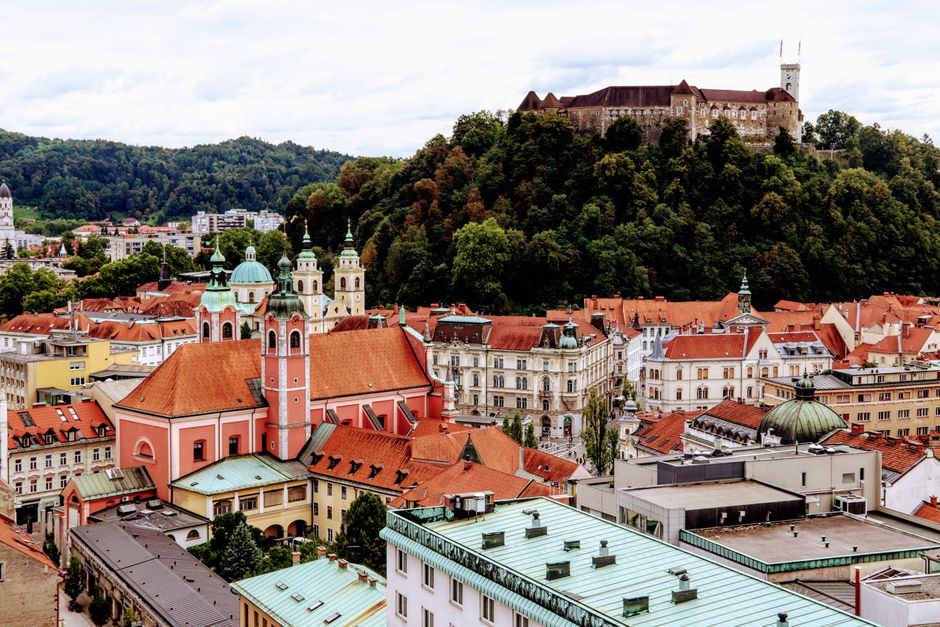
Photo by detait on Pexels
How much data do you need in Slovenia?
10-day plans · classic holiday. Instant QR delivery, no SIM swap.
Why Use an eSIM in Slovenia?
- Instant activation — no physical SIM card needed
- Works on most modern iPhones and Android devices
- Coverage across Slovenia, including Ljubljana, Bled, Maribor, and the Adriatic coast
- No roaming fees or long-term contracts
Slovenia moves fast between cities. Many travelers do Ljubljana one day, Bled the next, then down to Piran for the coast. Switching between those regions, you want reliable data all the way — not patchy roaming or a dead SIM you bought at the airport. An eSIM also helps you avoid roaming fees in Slovenia — EU rules help some travelers, but visitors from the US, UK, and Australia have no cover at all. An eSIM handles all of it before you even pack your bag.
Slovenia is also a common transit country — many visitors pass through on the way between Venice and Zagreb, or between Austria and Croatia. The Ljubljana-Bled-Bohinj loop is a popular 3-5 day addition to a broader Central European itinerary. Even for these shorter stays, having dedicated data matters. EU roaming fair-use limits can surprise travelers who hit their daily cap in the first country and get throttled in Slovenia. A dedicated Slovenia eSIM gives you a clean data bucket with no throttling, starting from €3.46. If you are combining Slovenia with non-EU neighbors like Croatia (which is now in the EU) or with a quick detour to Trieste (Italy), a multi-country plan may be better value — check options at checkout.
Coverage and Mobile Networks in Slovenia
Slovenia has strong 4G and growing 5G coverage from local carriers including A1, Telekom Slovenije, and T-2. Urban and tourist areas are well covered.
- Ljubljana and the central region — mobile data in Ljubljana covers the old town, castle hill, and all districts
- Bled and the Julian Alps
- Maribor and the Styria wine region
- Piran and the Slovenian Adriatic coast
- Postojna Cave and the Karst region
- Triglav National Park and mountain routes
Slovenia punches above its weight on mobile infrastructure. Telekom Slovenije has the broadest national coverage, including mountain valleys and rural areas that would be dead zones in larger countries. A1 Slovenia has strong urban coverage with expanding 5G in Ljubljana and Maribor. T-2 is a smaller carrier focused on data services.
The country is only 250 km across at its widest, which means cell towers cover a disproportionately large percentage of the territory. Lake Bled has full 4G coverage around the lake, on Bled Island (the church you row to), and at Bled Castle on the cliff above. Lake Bohinj, which is more remote, has coverage in the village of Bohinjska Bistrica, at the lake itself, and at the Savica Waterfall trailhead. The road from Bled to Bohinj through the valley has continuous signal.
The Soca Valley — famous for its emerald-green river, kayaking, and World War I history — has coverage in the main towns (Bovec, Kobarid, Tolmin) and along the main road. Remote side valleys and high trails in Triglav National Park can lose signal, but the popular routes and valley floors are covered. The Vrsic Pass road (the highest mountain pass in Slovenia, connecting Kranjska Gora to the Soca Valley) has intermittent coverage — signal dips at the highest sections but returns in the valleys on either side.
The coast is fully covered. Piran, Portoroz, Koper, and Izola all have strong 4G. Postojna Cave and the Predjama Castle area near it have coverage in the parking areas and surrounding town, though signal inside the cave system itself is obviously absent.
City Guide: Using Mobile Data in Slovenia's Top Destinations
Ljubljana
Ljubljana is one of Europe's most walkable capitals — the Preseren Square, the Triple Bridge, the Central Market, and Ljubljana Castle (accessible by funicular) are all within a 15-minute walk of each other. Mobile data in Ljubljana is essential for the Urbana city card system (public transport and bike-sharing), for finding restaurants along the Ljubljanica riverfront, and for booking day trips. Google Maps works perfectly here. The funicular to the castle takes cards, but the ticket is cheaper bought online. Ljubljana's food scene — Odprta Kuhna (open kitchen) street food market on Fridays — requires knowing when and where it is happening, and data keeps you informed.
Lake Bled
Bled is Slovenia's most famous image — the island church in the middle of a glacial lake with the Julian Alps behind. Internet for tourists at Lake Bled matters for booking the traditional pletna boat to the island (often prebooked in summer), finding parking (the lake fills up fast), and navigating the walk to the Vintgar Gorge (6 km from Bled, not well signed). Coverage is strong all around the lake, at Bled Castle, and on the road to Vintgar. The Bled cream cake (kremsnita) is famous — and the cafe that claims to serve the original is findable on Google Maps at the Park Hotel.
Piran
Piran is a tiny Venetian-style coastal town on the tip of a peninsula — the Tartini Square, the sea walls, and the church bell tower with views to Italy and Croatia. Mobile data in Piran covers the old town and the coastal walk to Portoroz. Piran is car-free in the center (you park outside and walk in), so having data for the parking situation and approach directions saves frustration. The Slovenian coast is only 47 km long, so Piran, Portoroz, and Izola are close together and moving between them by bus or foot requires knowing the schedule — data helps.
Maribor
Maribor is Slovenia's second city, in the northeast near the Austrian border. The Lent riverside district, the world's oldest vine, and the Maribor Wine Road into the surrounding Styria hills are the draws. Mobile data in Maribor covers the city and the wine route through Jeruzalem and Ormoz (not that Jerusalem — a Slovenian wine village). In winter, the Maribor Pohorje ski area above the city has coverage at the main facilities.
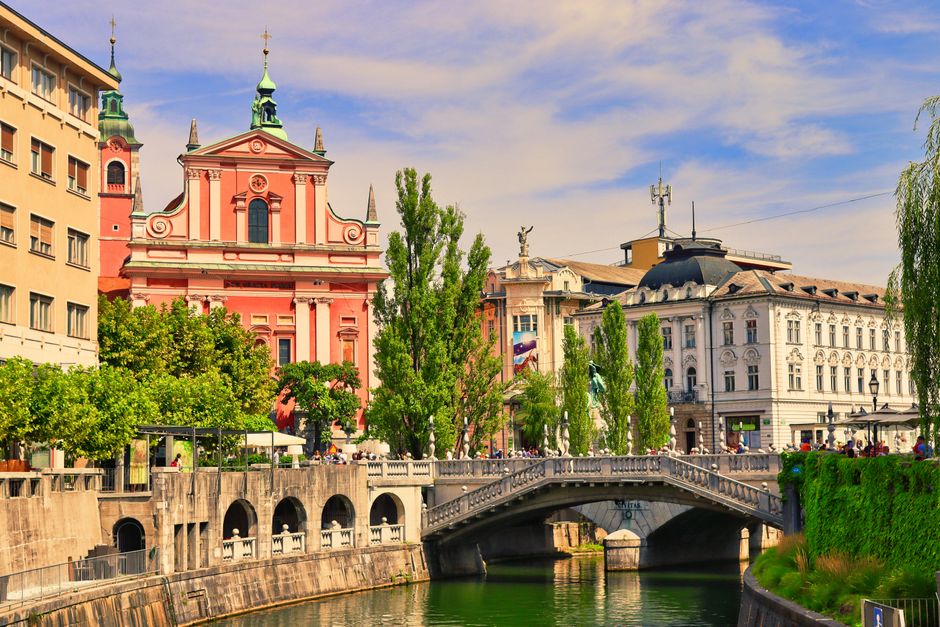
Photo by detait on Pexels
How Does a Slovenia eSIM Work?
- Choose your plan — pick the data and duration that fits your trip to Slovenia
- Receive your eSIM instantly — a QR code is sent to your email right after purchase
- Install and connect — scan the QR code, follow the steps on your phone, and you are ready to go when you land
eSIM vs Local SIM Card in Slovenia
You could buy a local SIM card when you arrive in Slovenia — but here is what that actually looks like:
- Local SIM / prepaid SIM card Slovenia for tourists: Find a store (often closed at airports after hours), bring your passport, deal with Slovenian paperwork, wait in line, hope your phone is unlocked
- eSIM: Set it up on your phone before you fly. Land in Ljubljana, turn on your data, done. No store, no paperwork, no wasted time
Ljubljana Joze Pucnik Airport is a small airport. There is a Telekom Slovenije point in the terminal, but it is not always staffed and the selection is limited. A Slovenian prepaid SIM with 5-10 GB costs about 10-15 EUR, and registration requires your passport or ID. In Ljubljana city center, A1 and Telekom stores are on Copova ulica and near Preseren Square, but hours are limited on weekends and the process takes 15-20 minutes. Many visitors to Slovenia arrive by car from Italy (Venice), Austria (Graz, Klagenfurt), or Croatia (Zagreb), and at the border there is no SIM option — you need to find a store in Ljubljana or another town. An eSIM activates on Slovenian networks the moment you enter the country, regardless of how you arrive.
eSIM Plans for Slovenia
Plans start at €3.46 for 1 GB. Choose from 1 GB to unlimited data, with validity from 5 to 30 days. All plans include hotspot sharing so you can connect your laptop or tablet too.
View all Slovenia eSIM plans →
FAQs — eSIM Slovenia
Does eSIM work in Slovenia?
Yes. Slovenia has reliable 4G LTE coverage from A1, Telekom Slovenije, and T-2 across all major cities, tourist areas, and most rural regions. 5G is expanding in Ljubljana and Maribor.
Can tourists use an eSIM in Slovenia?
Yes. There is no local ID requirement to activate a Worldcitisim eSIM in Slovenia. You purchase online, scan a QR code, and you are connected.
When should I activate my Slovenia eSIM?
Install the eSIM on your phone before you fly. It will activate automatically when you land in Slovenia and turn on your mobile data. Your plan duration starts from first use, not from purchase.
Which devices support eSIM?
iPhone XR and newer, Samsung Galaxy S20 and newer, Google Pixel 3 and newer, and most flagship Android devices from 2020 onwards. Check your settings under Mobile Data or Connections to confirm eSIM support.
Can I keep my regular phone number while using an eSIM?
Yes. Your physical SIM stays active for calls and texts. The eSIM runs alongside it for mobile data. You keep your home number working the whole time.
Does my eSIM work in Triglav National Park?
Coverage in Triglav National Park is decent along main routes and at popular trailheads, but signal drops in remote valleys and at high altitude. Download offline maps before heading into the mountains.
Can I use the same eSIM for Slovenia and neighboring countries like Croatia or Austria?
Worldcitisim offers regional Europe plans that cover multiple countries. If your trip includes Croatia, Austria, or Italy alongside Slovenia, check the Europe multi-country plan at checkout — it may be better value than buying individual country plans.
Does the eSIM work at Lake Bled and Lake Bohinj?
Yes. Both Lake Bled and Lake Bohinj have reliable 4G coverage in the resort and lakeside areas. Bohinj is more remote and coverage thins out on the trails toward Triglav, but the lake itself and the village of Bohinjska Bistrica are well connected.
How much data do I need for a week in Slovenia?
For a week of maps, messaging, and occasional photo uploads, 3-5 GB is comfortable. If you are streaming or doing video calls regularly, go for 5-10 GB. Slovenia is compact, so you will not be using navigation constantly — but having data available all day adds up.
Can I use my eSIM as a hotspot to connect my laptop?
Yes. All Worldcitisim plans include hotspot sharing. You can connect a laptop or tablet through your phone's hotspot without any additional setup or fees.
What happens if I run out of data before my trip ends?
If you exhaust your data allowance, you can purchase an additional plan. Check the Worldcitisim website for top-up options, or buy a new plan and install it alongside your existing eSIM — most devices support multiple eSIM profiles.
Does the Slovenia eSIM work for video calls?
Yes. Ljubljana and other cities have fast 4G and 5G that handle WhatsApp, FaceTime, Zoom, and Teams well. In the Soca Valley and around the lakes, 4G speeds are generally sufficient for video calls. In mountain areas with weaker signal, audio calls are more reliable.
Is Slovenia eSIM good for remote work?
Yes. Slovenia has strong mobile infrastructure, and Ljubljana is a popular base for digital nomads and remote workers. The hotspot feature lets you work from your laptop using your phone's data connection. In the Bled and Soca Valley areas, the combination of mobile data and accommodation WiFi provides reliable connectivity for work.
What is the difference between 4G and 5G in Slovenia?
4G LTE covers all of Slovenia — cities, towns, the coast, and most mountain areas. 5G is active in Ljubljana and Maribor and expanding. For travel use, 4G handles everything you need. 5G provides faster speeds relevant for heavy streaming or large file transfers.
What happens if I lose signal?
Signal drops on high mountain passes (Vrsic, Mangart), in deep Triglav valleys, and inside cave systems (Postojna, Skocjan). Main roads, towns, and tourist areas have consistent coverage. Your phone reconnects automatically. Download offline maps for mountain driving.
Does the eSIM work on the Soca Valley road?
Yes. The main road through the Soca Valley (Bovec-Kobarid-Tolmin) has 4G coverage throughout. The emerald Soca River viewpoints and the Kobarid World War I museum area are all covered. Side valleys and high-altitude trails may lose signal.
Can I use Google Maps offline with an eSIM?
Yes. Download the Slovenia offline map before your trip. Use eSIM data for real-time traffic and transit, and the offline map for mountain areas. Slovenia is small enough that the entire offline map downloads quickly and fits easily on your phone.

Photo by Eugene Kuznetsov on Pexels
Get Your Slovenia eSIM Today
Set up before you fly. Land in Ljubljana and you are online.
Related Reading
Last updated
Are you a hotel owner in Slovenia?
Earn commission by offering eSIMs to your guests. No setup cost, no hardware.
Learn about the Hotel Partner Program →