Global eSIM: Coverage, Setup & How Much Data You Need
eSIM Global — One Plan, 190+ Countries
The best global eSIM is the one that keeps up regardless of where your trip takes you. Mobile data in Tokyo, mobile data in Lisbon, mobile data in Bogota, mobile data in Dubai — same plan, no new SIMs, no roaming charges between regions. Fly from Europe to Southeast Asia to Latin America without buying a plan in every region. One QR code, installed once, active in over 190 countries. For digital nomads, long-term travelers, and anyone whose work takes them across multiple continents, this is the plan that makes connectivity a non-issue.
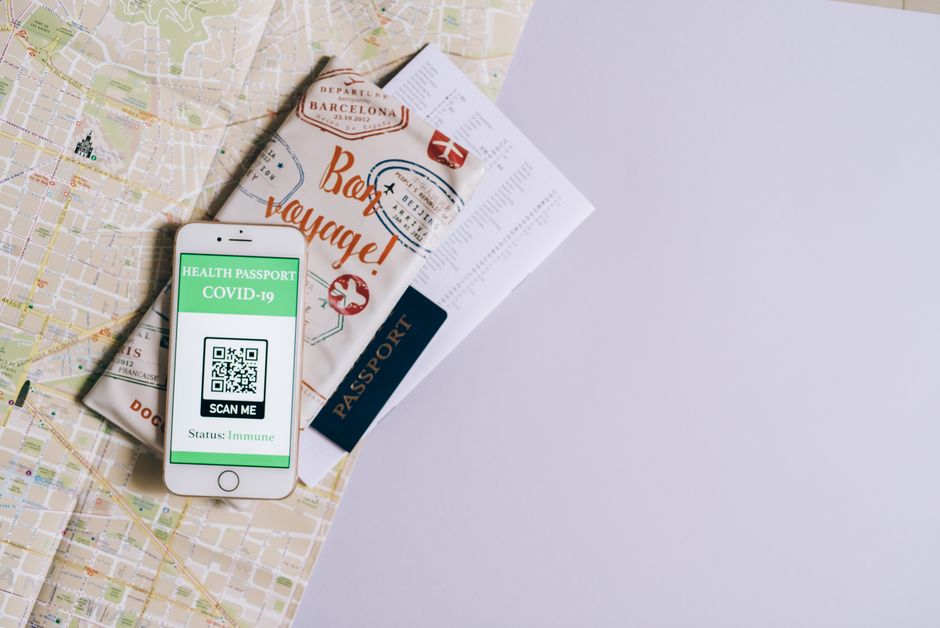
Photo by Leeloo The First on Pexels
How much data do you need worldwide?
Every plan runs 30 days · Instant QR delivery, no SIM swap.
Why Use a Global eSIM Instead of Regional Plans?
- One eSIM covers 190+ countries — every continent except Antarctica
- Works on most modern iPhones and Android devices
- Shared data pool usable anywhere in the world
- Avoid roaming charges worldwide — no per-region fees when your plans change or your route crosses into a new continent
- Perfect for digital nomads, frequent business travelers, long-term trips spanning multiple regions, and anyone who hates managing multiple SIMs
Regional eSIMs are great if you know exactly where you're going. But real travel rarely works that way. A last-minute flight to a different continent, a business trip that extends into a new region, a routing change that takes you through an unexpected layover city — a global plan handles all of it without you having to buy a new plan or worry about whether your current eSIM covers the next country on your list.
There is also a mental overhead to managing multiple eSIM profiles. With regional plans, you need to remember which one covers which country, switch between them when you cross regions, and potentially juggle three or four profiles on your phone if your trip spans multiple continents. A global plan eliminates all of that. One profile, one data pool, one thing to think about. For people who already have enough logistics to manage — flight bookings, accommodation, visa requirements, time zones — removing connectivity from the list of things to track is worth the slightly higher per-GB cost.
Countries Covered
Your global eSIM works in 190+ countries. Major destinations include:
- All of Europe — including UK, Turkey, and non-EU countries
- All of Latin America — Mexico, Colombia, Brazil, Argentina, Peru, and more
- All of Southeast Asia — Thailand, Vietnam, Indonesia, Philippines, Singapore, and more
- East Asia — Japan, South Korea, Taiwan, Hong Kong, China
- South Asia — India, Sri Lanka, Nepal, Bangladesh
- Middle East — UAE, Saudi Arabia, Jordan, Israel, Qatar, and more
- North Africa — Morocco, Egypt, Tunisia, Algeria
- Sub-Saharan Africa — South Africa, Kenya, Nigeria, Ghana, Tanzania, and more
- North America — USA, Canada, Mexico
- Oceania — Australia, New Zealand, Fiji, and more
- Central Asia — Kazakhstan, Uzbekistan, and more
Full country list is available on the plan page. Coverage varies by country — major cities and tourist areas have full 4G/LTE in nearly every covered country. Some remote areas may have 3G or limited signal regardless of plan type.
Coverage Quality by Region
With 190+ countries, coverage quality naturally varies. Here is a realistic overview of what to expect across the world's major regions:
- Europe: Near-universal 4G/5G coverage. Western Europe is among the best-connected regions in the world. Eastern Europe is strong in cities with improving rural coverage. You will have fast data in virtually every European city and tourist destination.
- East Asia (Japan, South Korea, Taiwan, Hong Kong): World-class networks with widespread 5G. Among the fastest mobile data speeds globally. Underground metro coverage in Tokyo and Seoul. Coverage extends to rural areas and smaller islands.
- Southeast Asia (Thailand, Vietnam, Indonesia, Malaysia, Philippines): Strong coverage in cities and tourist areas. Bangkok, Ho Chi Minh City, and Kuala Lumpur have excellent signal. Rural areas and remote islands can be patchier. Bali's tourist zones are well covered; remote interior areas less so.
- North America: Excellent coverage in the US and Canada along population corridors. Remote areas (Canadian north, US national parks, Alaska interior) have gaps. Mexico's cities and tourist areas are well covered.
- Latin America: Good coverage in capital cities and tourist routes. Rural and jungle areas (Amazon, Patagonia, Darien) are outside range. Each country's coverage mirrors its economic development — Chile and Uruguay are strong nationwide; Bolivia and Paraguay have more urban-focused coverage.
- Middle East: Gulf states have excellent infrastructure. Jordan and Egypt are good in cities and tourist areas. Morocco is well covered along the tourist circuit.
- Sub-Saharan Africa: Coverage varies widely. South Africa, Kenya, Nigeria, and Ghana have strong urban networks. Rural coverage is less consistent. Safari areas in Kenya and Tanzania have some coverage in main camps but not in the bush. Ethiopia and Rwanda are improving rapidly.
- South Asia (India, Sri Lanka, Nepal): India's cities have excellent coverage. Rural coverage is expanding fast. Nepal and Sri Lanka have good signal along tourist routes but gaps in trekking areas.
- Oceania (Australia, New Zealand, Pacific Islands): Australian and New Zealand cities are well covered. The Outback and NZ backcountry have gaps. Pacific island coverage varies — Fiji's main islands are good; smaller atolls may have limited signal.
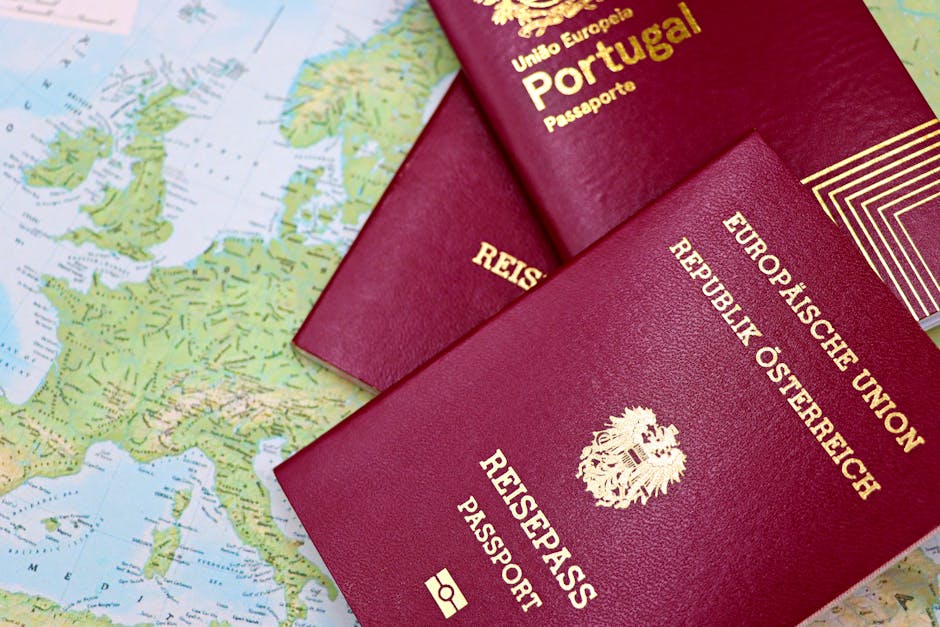
Photo by Marta Branco on Pexels
How Does a Global eSIM Work?
- Choose your plan — pick the data amount and duration for your global travel needs
- Receive your eSIM instantly — a QR code is sent to your email right after purchase
- Install once, use everywhere — scan the QR code at home. Your data works automatically in every covered country. Land anywhere in the world, your phone connects to the best available local network. No action needed from you.
Popular Use Cases
A global eSIM is especially useful in these situations. The common thread is unpredictability — when you do not know exactly where you will be next month, a global plan removes connectivity from your list of things to plan.
- Digital nomad base-hopping — Bali → Lisbon → Medellin → Chiang Mai: A year of slow travel across multiple continents. Each new base means a new region, and managing separate regional eSIM plans gets old fast. The global eSIM gives you data the moment you land in each new country without any setup. You can scout co-working spaces, book accommodation, and get a Grab ride from the airport — all before you even leave the terminal. For nomads who move bases every one to three months, the global plan is the lowest-friction option for the transition days between destinations.
- Round-the-world trips: Multi-continent itineraries with unpredictable routing. RTW tickets and flexible routes mean you might decide in Bangkok to fly to Nairobi instead of continuing to Bali. A global plan handles every detour without you worrying about whether your current eSIM covers the next country. This flexibility is the whole point of an RTW trip, and your connectivity should match it.
- Frequent international business travel: A different country every week — Tokyo on Monday, London on Wednesday, Dubai on Friday. No time to manage SIM profiles, no patience for carrier stores. The global eSIM is always on, always working, in whatever country you land in. Zoom calls, Slack messages, email — your data works in every airport lounge and every hotel lobby worldwide.
- Extended family travel — gap year or sabbatical: Parents and kids on a long journey across Asia, Europe, and South America. Multiple devices, multiple continents, one plan that works everywhere. The last thing you want to manage during a family trip through 15 countries is a different SIM for each one. Everyone stays connected, location sharing works for safety, and translation apps are always available.

Photo by Tima Miroshnichenko on Pexels
eSIM Plans for Global Coverage
Plans start at €9.99 for 1 GB. Choose from 1 GB to unlimited data, with validity from 5 to 30 days. All plans include hotspot sharing. Your data pool is shared across every country in the plan — use 3 GB in Japan, then continue into the same plan when you land in Portugal a week later.
FAQs — Global eSIM
How does a global eSIM handle moving between continents?
Automatically. When you land in a new country, your phone connects to a local network partner in that country. You don't change settings, switch plans, or do anything. Your data pool is global — whatever is left in your plan is usable anywhere.
Is a global plan more expensive than regional plans?
Per GB, yes — a global plan costs slightly more than a regional one. The premium buys you unlimited flexibility: you don't need to predict which regions you'll visit, and you don't risk running out of coverage if your plans change. For travelers who regularly cross between Asia, Europe, and the Americas, the global plan is almost always worth it over juggling multiple regional plans.
Which devices support eSIM?
iPhone XR and newer, Samsung Galaxy S20 and newer, Google Pixel 3 and newer, and most recent iPad Pro and iPad Air models.
Can I renew my global plan while I'm traveling?
Yes. You can purchase a new plan from your phone at any time. The new QR code is emailed to you and you install it on your device. You do not need to be home, near a store, or connected to Wi-Fi to buy — you can buy the next plan using the data from your current one before it runs out.
Is a global eSIM good for digital nomads who stay months in one place?
For short-term stays of a few weeks, yes — the global plan is excellent. For longer stays of one to three months in a single country, a local SIM will usually give you significantly more data per dollar. Many digital nomads use a global eSIM as their arrival plan, then switch to a local SIM once they've settled in a base for more than a month.
Does the global eSIM work in Africa?
Yes. Coverage includes South Africa, Kenya, Nigeria, Ghana, Tanzania, Ethiopia, Rwanda, Senegal, and a growing number of other African countries. Coverage quality varies more across Africa than in Europe or Asia — major cities and tourist areas are well covered, more rural areas may have limited signal. The full country list is on the plan page.
Can I switch between countries and regions without changing any settings?
Yes. When your plane lands in a new country, your phone connects to the local network automatically. Whether you fly from Tokyo to Lisbon or take an overland bus from Colombia to Ecuador, the eSIM adjusts with no input from you. Your data balance is global.
Does unused data carry over when I move between countries or continents?
Yes. Your data pool is global and shared across all 190+ covered countries. If you use 5 GB in Japan and fly to Portugal a week later, your remaining balance works immediately in Portugal with no plan changes needed.
Can I top up the global eSIM while I am traveling?
Yes. You can purchase a new plan or top-up from your phone at any point, from anywhere in the world. A QR code is emailed to you and installs in minutes. Because your current eSIM gives you data access, you can buy the next plan using that same connection before it runs out — no WiFi hunting required.
Does the global eSIM work on cruise ships?
No. The eSIM works on land-based mobile networks only. At sea, you would need the ship's satellite WiFi. When the ship docks in a covered country and you go ashore, your eSIM data works again automatically.
How do I know which countries are covered before buying?
The full country list is on the plan purchase page. Before buying, you can check that every country on your itinerary is included. The global plan covers 190+ countries — if a country is missing from your list, the regional plan for that area may be a better fit.
Is a global eSIM better than buying multiple regional plans?
If your trip spans more than two regions — for example, Europe plus Southeast Asia plus South America — the global plan is simpler and often comparable in cost to buying separate regional plans. If you are staying within one region, a regional plan will give you more data per dollar. The global plan is best for unpredictable routing or multi-continent travel.
How does the global eSIM handle countries with internet restrictions like China?
The eSIM provides a data connection in China, but China's Great Firewall restricts access to Google services, WhatsApp, Instagram, Facebook, and many other Western apps. You may need a VPN to access blocked services — the same applies to any SIM or eSIM used in mainland China. The eSIM gives you a connection; what you can access on that connection depends on the country's internet regulations.
Can I use a global eSIM as a backup for my primary SIM while traveling?
Yes, and this is a smart strategy for business travelers. Keep your primary SIM for calls and texts from your home number, and use the global eSIM for data. If your primary carrier has expensive roaming rates, the eSIM handles all your data usage at a fixed cost. If you arrive in a country where your primary SIM has no roaming agreement at all, the global eSIM still works as your data connection.
Does the global eSIM work for remote work across multiple countries?
Yes. Video calls, cloud services, VPNs, and all standard remote work tools work on eSIM data in countries with 4G or better coverage. In major cities across Europe, Asia, and the Americas, speeds are fast enough for video conferencing and file transfers. For digital nomads who need reliable connectivity for work, the global plan removes the risk of arriving in a new country and spending your first work day hunting for a SIM card or decent WiFi.
How much data do I need for a month of global travel?
For a month of active travel — Google Maps daily, WhatsApp, ride-sharing apps, social media, and occasional video calls — 10 to 15 GB is a reasonable range. If you are working remotely with frequent video calls, go for 20 GB or unlimited. Data use tends to be higher in cities (where you are navigating, ride-sharing, and looking things up constantly) and lower in rural or beach areas.
Does the global eSIM cover layover countries?
Yes. If your flight routes through a transit hub — Istanbul, Dubai, Singapore, Doha, Frankfurt — your eSIM data works at the airport during your layover. This is useful for checking your connecting flight status, messaging family about your progress, accessing lounge information, or booking a hotel if your connection is delayed. You do not need to buy a local SIM for a four-hour layover when your global plan already covers it.
Can I install the global eSIM on a tablet or laptop as well?
eSIM-compatible iPads, some Android tablets, and some laptops with eSIM support can use the plan. Check your device's specifications. For most travelers, installing on a phone and using hotspot to share the connection with other devices is the most practical approach — all plans include hotspot sharing.
Photo by Kenneth Surillo on Pexels
Get Your Global eSIM Today
One plan. 190+ countries. Set up before you fly.
Related Reading
Last updated
Are you a hotel owner in Global?
Earn commission by offering eSIMs to your guests. No setup cost, no hardware.
Learn about the Hotel Partner Program →