
eSIM for Your Wedding in the Caribbean
White sand. Turquoise water. A ceremony arch made of driftwood and tropical flowers. The sun setting behind a palm-lined beach while your closest people stand barefoot in the sand.
Caribbean destination weddings sell themselves. The photos are effortless. The atmosphere is built into the landscape. You do not need to decorate much when the backdrop is already that good.
But here is the part the venue brochure does not mention: the beach where you are getting married has no Wi-Fi. The all-inclusive resort behind it technically has Wi-Fi, but it is throttled to the point where sending a single photo takes three minutes. And your guests, standing 80 meters from the lobby router on a beach with zero infrastructure, have no internet at all.
The Caribbean is four different countries, four different mobile networks, four different coverage realities. Dominican Republic, Jamaica, St. Lucia, and Barbados each have their own infrastructure and their own gaps. What they all share is this: beach ceremonies are outside coverage, resort Wi-Fi is not built for events, and your guests from the US, UK, and Australia will be hit with roaming charges unless they plan ahead.
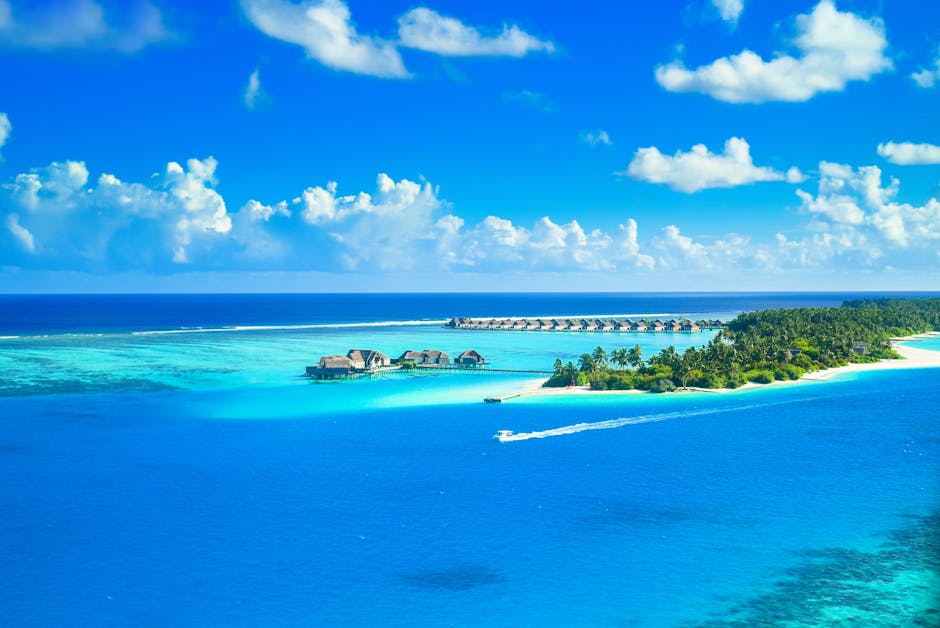
The Caribbean Connectivity Problem
Caribbean islands share a common infrastructure pattern: the tourist zones have decent connectivity, and everything else is a gamble.
All-inclusive resorts are the most popular wedding venues in the Caribbean, and they all have the same Wi-Fi problem. The resort advertises "complimentary Wi-Fi" or "premium high-speed internet." What they do not advertise is that the bandwidth is shared across 500 rooms, the pool area, three restaurants, the lobby bar, and the beach. The connection that handles 200 guests browsing casually cannot handle 60 wedding guests all trying to upload Instagram Stories of the first kiss at the same moment.
Some resorts have started offering "premium Wi-Fi" packages for an additional $10-15/day. These are marginally better but still shared infrastructure. They are not dedicated lines. During peak resort hours (evening, when everyone is posting about their day), even premium Wi-Fi slows to a crawl.
Beach ceremonies compound the problem. The router is in the building. You are on the beach. Sand, palm trees, and 80 meters of open air separate you from the nearest access point. You effectively have no internet connection at the ceremony location itself.
Outside the resort bubble, the situation varies by island. Some Caribbean islands have strong national 4G networks. Others have coverage concentrated in capital cities with limited rural reach. A wedding at a private villa on a hillside, a restaurant overlooking a bay, or a historic plantation house may or may not have usable mobile coverage depending on which island and which side of the island you are on.
How much data do you need in the Caribbean?
Every plan runs 30 days · Instant QR delivery, no SIM swap.
What Your Guests Need Data For
- Photo and video sharing - This is the number one data use at any destination wedding. Caribbean weddings produce extraordinary visual content: sunset ceremonies, underwater group photos, beach party receptions. US guests in particular expect to share in real time. Instagram, TikTok, iMessage, group photo albums. All of this requires fast upload speeds that resort Wi-Fi cannot provide to 60 simultaneous users.
- WhatsApp coordination - "Which shuttle goes to the rehearsal dinner?" "The ceremony moved to the terrace because of rain." "We're at the beach bar, where are you?" Multi-day Caribbean weddings run on group chat coordination. Without data, guests are cut off from real-time updates.
- Transport apps and navigation - Transport varies dramatically by island. Uber works in Santo Domingo (Dominican Republic) but nowhere else in the Caribbean on this list. Jamaica, St. Lucia, and Barbados have no ride-hailing apps. Guests rely on pre-arranged hotel shuttles, local taxi drivers (often booked by phone), or rental cars with GPS navigation. All of these require internet access for booking, calling, or navigating.
- Excursion booking - Between wedding events, guests explore. Catamaran tours, waterfall hikes, snorkeling trips, zip-lining, rum distillery tours. Most excursions in the Caribbean are booked through apps or websites, often on the day of. Without data, guests cannot browse options, compare prices, or make bookings.
- Flight and travel management - Caribbean flights are connecting flights for most international guests. Delays, gate changes, and rebooking happen frequently, especially during hurricane season (June through November). Guests need data to manage their airline apps, check flight status, and communicate with airlines when things change.
- Weather monitoring - The Caribbean has a tropical climate with sudden rain showers, especially during the afternoon. For outdoor wedding events, guests want to check weather radar before heading to the beach. During hurricane season, weather monitoring is not just convenience. It is safety.

The Roaming Cost Problem in the Caribbean
Caribbean roaming is particularly expensive because each island is its own country with its own carrier agreements. Even US carriers, which have the closest geographic proximity, charge premium rates.
American guests: This is where it gets frustrating. The Caribbean feels close (3-4 hour flight from the East Coast), but carriers treat it like international roaming. AT&T International Day Pass is $12/day. T-Mobile includes some Caribbean countries in certain plans but not all, and throttled data is the default. Verizon TravelPass is $10/day. A 5-day wedding trip: $50-60 per person. Some guests will assume their US plan "covers the Caribbean" and be wrong.
British guests: Caribbean destinations are outside EU roaming coverage. UK carriers charge premium international roaming rates, typically 5-8 pounds per day. A week-long wedding trip from the UK to the Caribbean runs 35-56 pounds in roaming alone, on top of flights that already cost 500-800 pounds.
Australian guests: The Caribbean is the most expensive roaming destination for Australian carriers. Telstra, Optus, and Vodafone AU all charge top-tier international rates. Daily passes run $15-20 AUD per day. A week-long trip can cost over $100 AUD in roaming.
A Caribbean eSIM eliminates all of this. One flat-rate data package, activated before departure, working from the moment the plane lands. No daily charges, no bill surprise, no discovering that your "international plan" does not actually cover Barbados.
By Island: Coverage Your Guests Should Expect
Dominican Republic
The DR has the strongest mobile infrastructure of the four islands covered here. Claro and Altice Dominicana provide solid 4G coverage across Punta Cana, Santo Domingo, Puerto Plata, and La Romana. Resort zones along the Bavaro coast and Cap Cana have reliable coverage.
Punta Cana is the most popular Dominican wedding destination. The resort strip along Bavaro Beach has strong coverage. Cap Cana's luxury resorts have good signal. The drive from Punta Cana Airport (PUJ) to the resort zone has consistent coverage along the main highway.
Uber operates in Santo Domingo, making it the only Caribbean destination on this list with ride-hailing. In Punta Cana, transport is pre-arranged shuttles or hotel taxis. Most resorts coordinate airport transfers.
Outside resort zones, coverage drops in rural interior areas, but most wedding-related locations (resorts, restaurants, Altos de Chavon in La Romana) have reliable signal.
Jamaica
Digicel and FLOW provide Jamaica's mobile coverage. Montego Bay, Ocho Rios, and Negril, the three main tourist corridors, have functional 4G. Kingston has strong coverage throughout.
Montego Bay resort weddings (Rose Hall area, Doctor's Cave Beach, Round Hill) have reasonable coverage. The airport area (Sangster International, MBJ) has reliable signal. Negril, particularly the Seven Mile Beach strip, has decent coverage along the beach road.
Ocho Rios has functional coverage in the main tourist area, but the mountainous terrain behind the coast creates dead zones. Dunn's River Falls, a popular excursion, has limited signal in the falls area itself. Blue Mountain excursions (popular pre-wedding activities) have very limited coverage above the foothills.
There is no Uber or ride-hailing in Jamaica. Transport is by hotel shuttle, pre-booked taxi, or JUTA (Jamaica Union of Travellers Association) taxis. Phone numbers for local taxi services require data to look up. Route taxis (shared minibuses) are the local public transport and do not have an app.
St. Lucia
St. Lucia's mobile coverage is provided by Digicel and FLOW. Castries, Rodney Bay, and the Gros Islet area in the north have reliable 4G. The Marigot Bay area has decent coverage.
The south coast, where many luxury wedding resorts are located (Soufriere, the Pitons area, Sugar Beach, Jade Mountain), has less consistent coverage. The dramatic Piton mountains that make St. Lucia such a spectacular wedding backdrop also create signal shadows. Venues nestled between the Pitons or along the steep south coast can have variable signal depending on exact positioning.
Vieux Fort, near the international airport (UVF), has basic coverage. The drive from UVF to Soufriere (about 90 minutes along a winding coastal road) has intermittent signal through the mountain sections.
No ride-hailing apps operate in St. Lucia. Transport is by pre-arranged hotel shuttle, private driver, or local taxi (negotiated fare, no meter). Having data to call or message your driver is important.
Barbados
Barbados has relatively strong mobile infrastructure for its size. Digicel and FLOW provide 4G coverage across most of the island. Bridgetown, the west coast (Platinum Coast where most luxury hotels are), and the south coast (St. Lawrence Gap, Oistins) all have reliable signal.
The east coast (Bathsheba, Cattlewash) is less developed and has patchier coverage. These areas are popular for dramatic wedding photos but are not common ceremony locations. The Scotland District, in the island's hilly interior, has variable signal.
Grantley Adams International Airport (BGI) has good coverage throughout the terminal. The drive from the airport to the west coast hotels (about 45 minutes) has consistent signal.
No ride-hailing apps in Barbados. Local taxis do not use meters. Hotel concierges arrange transport. Having data to search for and contact drivers is useful, especially for getting between events at different locations on the island.
How to Get Your Wedding Group Connected
Caribbean weddings draw guests from multiple countries, often with a heavy US contingent. American guests in particular expect seamless connectivity. They are used to having LTE everywhere and will be frustrated when the resort Wi-Fi cannot load their Instagram feed.
- Include eSIM information in your wedding website. Frame it around the specific island. "We are getting married at [resort] in Punta Cana. The resort has Wi-Fi in the lobby but not on the beach where the ceremony is. We recommend getting a Caribbean eSIM so you have your own data connection." Be specific. Generic "you might want internet" advice gets ignored.
- Clarify the roaming situation for US guests specifically. Most American guests assume the Caribbean is covered by their plan. Many plans do not include it, or include it with heavy throttling. Call this out directly: "Check with your carrier before assuming your plan covers [island]. Most US plans charge $10-12/day for Caribbean roaming."
- Send the recommendation 2-3 weeks before departure. Include device compatibility information and a direct link to purchase. For guests who are not tech-savvy, include a line like: "It takes 5 minutes to set up and works like your normal phone plan, just with a local data connection."
- Recommend a data amount based on trip length. A 3-day weekend wedding: 2 GB. A 5-day all-inclusive trip: 3-5 GB. A week-long celebration with excursions: 5-8 GB. Guests posting lots of video content: 8-10 GB.
- Mention the transport situation. Guests expecting Uber will be surprised that it only works in the Dominican Republic (Santo Domingo). On Jamaica, St. Lucia, and Barbados, they will need to call or message local drivers. That requires data.
Data Amount Guide for Caribbean Wedding Trips
| Usage Level | Activities | Recommended Data | Trip Length |
|---|---|---|---|
| Light | WhatsApp, maps, basic browsing, weather checks | 1-2 GB | 3-4 days |
| Moderate | Photo sharing, social media, excursion booking, video calls | 3-5 GB | 5-7 days |
| Heavy | Instagram Stories and Reels, streaming, frequent video uploads | 5-10 GB | 5-7 days |
| US guest expecting "normal" connectivity | Everything they do at home, but on a Caribbean island | 8-12 GB | 5-10 days |
Important note for multi-island Caribbean itineraries: coverage quality and available networks differ between islands. An eSIM that works in the Dominican Republic may use a different local network in Jamaica. Check that your eSIM plan covers the specific island where the wedding is happening, not just "the Caribbean" as a broad region.

FAQs — eSIM for Weddings in the Caribbean
Does my US phone plan cover the Caribbean?
It depends on your carrier and plan. T-Mobile includes some Caribbean destinations in certain plans, but many are excluded or throttled to unusable speeds. AT&T and Verizon treat the Caribbean as international roaming at $10-12/day. Do not assume coverage. Check your specific plan and specific island before traveling. An eSIM is cheaper than even two days of carrier roaming.
Will the all-inclusive resort Wi-Fi be enough for the wedding?
Almost certainly not. Resort Wi-Fi is shared among all guests, typically 200-500 rooms. It is designed for casual browsing, not for 60 people uploading high-resolution photos and video simultaneously during a ceremony. Beach venues are outside Wi-Fi range entirely. Even "premium" resort Wi-Fi packages are shared infrastructure that slows under event-level demand. Your guests need their own data connection.
Is Uber available in the Caribbean?
Uber operates in Santo Domingo, Dominican Republic. It does not operate in Punta Cana, Jamaica, St. Lucia, or Barbados. Transport on most Caribbean islands is by hotel shuttle, pre-booked private driver, or local taxi. Most local taxi services do not use apps or meters. Having data to search for driver phone numbers and communicate with them is important.
Do different Caribbean islands need different eSIMs?
It depends on the eSIM plan. Some plans cover multiple Caribbean countries under one package. Others are country-specific. If your wedding involves guests arriving through different Caribbean hubs (for example, connecting in Jamaica before flying to St. Lucia), check that the eSIM covers each country they will pass through. Regional Caribbean eSIM plans are available that cover multiple islands.
How is coverage on the beach for ceremonies?
Beach coverage depends on the proximity to cell towers. Beaches adjacent to resort complexes or towns generally have functional mobile coverage because they are within range of towers serving those areas. Remote beaches, private coves, and beach areas surrounded by hills or dense vegetation can have weak or no signal. Your guests should expect that mobile data at the ceremony site may be slower than at the hotel, and they should upload large files (videos, photo batches) when they return to the resort area.
What about hurricane season? Should I worry about connectivity?
Hurricane season runs June through November, with peak activity in August and September. Severe weather can disrupt mobile networks and power infrastructure. If your wedding falls in this window, having data is actually more important, not less, because guests need access to weather alerts, airline rebooking tools, and emergency communication. Most modern mobile networks recover quickly from tropical storms, but prolonged outages are possible during direct hurricane hits.
View Caribbean eSIM plans | Destination wedding connectivity guide
Related Reading
Last updated