Destination Wedding Welcome Packet Ideas — The One Item Nobody Includes
You've spent months curating the perfect destination wedding welcome bag. The local snacks are sourced. The itinerary cards are printed on thick stock. The hangover kit has branded aspirin and electrolyte packets. The sunscreen is reef-safe. The custom tote bag matches your color palette.
Your guests arrive at the hotel, open the bag, and appreciate every detail. Then they try to call an Uber to dinner, and their phone doesn't work. They try to check the WhatsApp group for tonight's dress code, and it won't load. They try to pull up Google Maps to find the rehearsal dinner restaurant, and the screen spins.
Nobody can use their phone. And the one thing that would fix it — a printed eSIM QR code card — takes up less space in the welcome bag than a packet of tissues.
I ran a hotel in Colombia for seven years and helped coordinate dozens of group events. The biggest logistical headache was always the same: half the guests couldn't get online. Everything else — the schedule, the transportation, the coordination — falls apart when people can't communicate. And it's the one problem that a $5 card in the welcome bag would have prevented.
What Most Destination Wedding Welcome Packets Include
If you've searched "destination wedding welcome bag ideas," you've seen the same list everywhere. Here's what nearly every guide recommends:
- Itinerary card — weekend schedule with times, locations, and dress codes for each event.
- Local map — printed map marking the venue, hotel, restaurants, and nearby attractions.
- Snacks — local treats from the destination. Alfajores in Argentina, stroopwafels in the Netherlands, churros in Mexico, biscotti in Italy.
- Water bottle — reusable or branded, especially for warm-weather destinations.
- Sunscreen — reef-safe if you're near coral reefs. SPF 50 for beach and outdoor ceremonies.
- Hangover kit — aspirin, antacids, electrolyte packets, mints. The classic wedding welcome bag staple.
- Custom tote or bag — a reusable bag guests can carry around all weekend, usually printed with the couple's names and wedding date.
- Personalized welcome letter — a note from the couple thanking guests for traveling and setting the tone for the weekend.
- Lip balm and hand sanitizer — practical, compact, giftable.
- Local guidebook or recommendations card — restaurant suggestions, things to do before or after the wedding weekend.
All of these are thoughtful. Most of them get used once, if at all. The sunscreen sits in the hotel room. The map gets glanced at and forgotten once guests realize they need GPS for turn-by-turn directions. The snacks disappear on night one.
None of these lists mention the single item guests will use a hundred times a day: a working phone connection.
The One Thing Nobody Puts in a Destination Wedding Welcome Bag: Phone Data
Every destination wedding welcome packet guide on the internet skips this. They'll tell you to include a personalized bottle opener, a scented candle, and a bag of local coffee. But nobody mentions that your guests landed in a foreign country and their phones are either racking up roaming charges or sitting in airplane mode because they're afraid of a $200 bill.
Here's what happens at every destination wedding when guests don't have data:
- The WhatsApp group you set up for schedule updates only reaches half the group.
- Guests can't find the venue because Google Maps won't load without data.
- Nobody can call an Uber or check a local taxi app.
- Photo-sharing apps (Kululu, GuestPix, Wedibox) don't sync because they need a connection.
- Guests eating at local restaurants can't use Google Translate for the menu.
- The wedding planner spends half the weekend on the phone giving directions to lost guests.
An eSIM fixes all of this. It's a digital SIM card that guests install on their phone by scanning a QR code. No physical SIM swap, no phone shop visit, no passport registration. Two minutes, done. They land with data.
And the QR code can be printed on a card and dropped into the welcome packet alongside the itinerary and the hangover kit.
How to Include an eSIM QR Code in Your Destination Wedding Welcome Packet
Adding an eSIM to your welcome bag is simpler than sourcing local snacks. Here's the step-by-step:
Step 1: Order eSIMs for your guest list
Count your guests and order one eSIM per person (or per couple, if you want to keep costs down and let them share a hotspot). Choose an eSIM plan that covers the country you're getting married in. For a 5-day wedding weekend, a 3-5 GB plan covers most guests comfortably.
Step 2: Print each QR code on a card
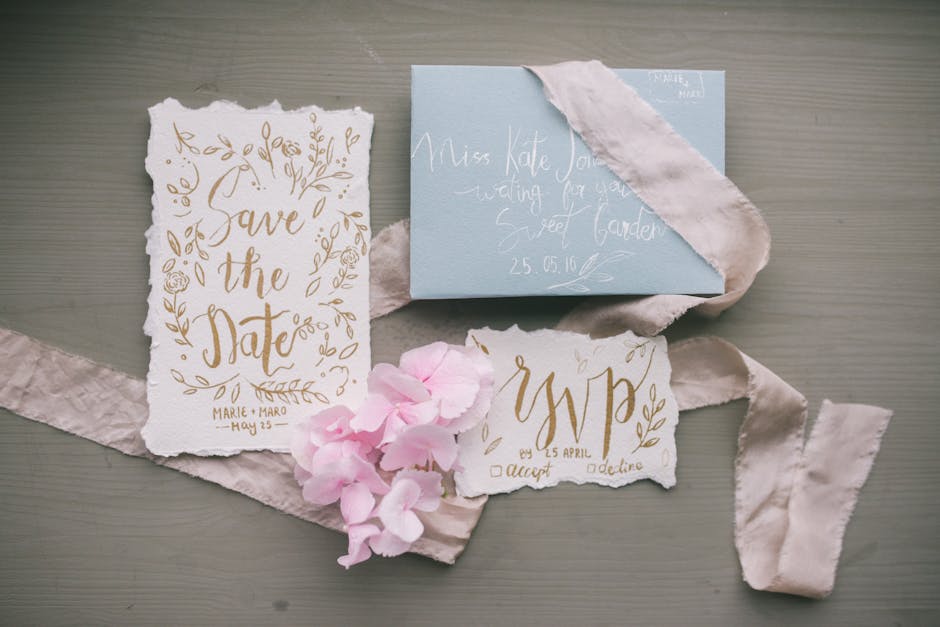
Each eSIM comes with a unique QR code. Print it on a card — a standard business card size works well. On one side, the QR code. On the other, three or four setup steps:
- Open your phone's camera and scan this QR code.
- Follow the prompts to install the eSIM.
- When you land in [country], go to Settings > Cellular and turn on the eSIM data line.
- You're connected. Use it for maps, WhatsApp, Uber, and sharing photos.
If you want to match your wedding stationery, design the card in Canva or send the QR codes to your stationer. Same cardstock, same font, same color palette. It looks intentional, not like an afterthought.
Step 3: Slip it into the welcome bag
Place the eSIM card in the welcome packet alongside the itinerary and map. If you're putting items in a specific order, the eSIM card works well right after the itinerary — guests see the schedule, then see the tool that makes the schedule actually usable.
Step 4: Send a heads-up email before the wedding
Two weeks before the trip, email your guests: "We've included an eSIM card in your welcome packet — it gives you data on your phone for the whole trip. You can install it when you get it, or do it right now if you'd like to land already connected." Include the QR code in the email for guests who want to set it up early.
Guests who install before flying arrive with data working the moment they step off the plane. Guests who install from the welcome bag at the hotel get connected in two minutes. Either way, by the time the first event starts, everyone is reachable.
How Much Data to Recommend for Destination Wedding Guests
The right amount depends on the length of the trip and how your guests use their phones. Here's a realistic breakdown:
| Trip Length | Light User | Average Guest | Heavy User |
|---|---|---|---|
| 3-day weekend | 1-2 GB | 2-3 GB | 3-5 GB |
| 5-day trip | 2-3 GB | 3-5 GB | 5-8 GB |
| 7+ days (extended trip) | 3-5 GB | 5-8 GB | 8-12 GB |
Light user: messages, maps, and the occasional Google search. Your aunt who checks WhatsApp twice a day.
Average guest: WhatsApp groups, Google Maps, Instagram scrolling and posting, Uber, restaurant lookups. This is most of your guest list.
Heavy user: posting Instagram Stories from every event, video-calling people back home, uploading dozens of photos to the shared album. Your college roommate who documents everything.
For most destination weddings (4-5 days), a 5 GB plan hits the sweet spot. It covers the average guest with room to spare, and heavy users can top up if they run out. When in doubt, go slightly higher — running out of data mid-trip is more annoying than having leftover data.
When Destination Wedding Guests Should Activate the eSIM
Timing matters. There are two approaches, and both work:
Option A: Install at home before flying (recommended). Guests scan the QR code 1-3 days before the trip, while they're still on their home Wi-Fi. The eSIM installs in about two minutes and sits dormant. When they land abroad, they go to Settings > Cellular and turn on the eSIM data line. Data works immediately. No scrambling at the airport, no hunting for Wi-Fi to complete the setup.
Option B: Install from the welcome packet at the hotel. Guests scan the QR code from the printed card in their welcome bag. Hotel Wi-Fi is enough for the installation process (it's a small download). They follow the instructions, and data works within a couple of minutes. This is fine for guests who didn't get the pre-trip email or prefer to do things on arrival.
The worst approach: waiting until they need it. A guest standing on a street corner in Tuscany trying to install an eSIM with no Wi-Fi and no data is a guest who's going to miss the shuttle. Encourage early installation in your pre-wedding communication.
Add a line to your welcome letter: "The eSIM card in this bag gives you data for the whole trip. Scan the QR code now — setup takes two minutes, and you'll have maps, WhatsApp, and Uber working for the rest of the weekend."
What It Costs to Get Every Destination Wedding Guest Connected
This is where the math gets interesting. Compare three options:
International roaming (what happens if guests do nothing)
AT&T International Day Pass: $12/day. Verizon TravelPass: $10/day. T-Mobile includes some data but throttles to unusable speeds. UK carriers post-Brexit: 2-6 GBP/day. For a 5-day wedding trip, US guests pay $50-60 each. UK guests pay 10-30 GBP each. Many guests just turn off data entirely to avoid the bill — which means they're unreachable for the entire trip.
Local SIM cards (what some travel guides recommend)
In theory, guests buy a local SIM at the airport. In practice: some airports don't have phone shops (most Greek island airports, smaller Italian airports). Registration requires a passport and takes 20+ minutes per person. Some guests have carrier-locked phones. And you can't coordinate 40 guests arriving on 12 different flights to all visit the same shop. This works for a solo traveler, not a wedding group.
eSIM cards (what actually scales for groups)
An eSIM plan for a European destination costs a fraction of carrier roaming. No shop visit. No passport. No language barrier. Each guest scans a QR code and has data in two minutes. For a wedding couple providing eSIMs to their guest list, the total cost is a fraction of what they spent on welcome bag snacks — and it's the item guests will use more than everything else in the bag combined.
For a 40-person wedding, the cost of getting every guest connected for 5 days with a 5 GB eSIM plan is less than what most couples spend on the welcome bags themselves. And unlike the custom koozies and the local chocolate, this is something guests actually need.

Destination Wedding Welcome Packet Checklist — Complete
Here's the full list, with the item nobody else includes added where it belongs:
- Personalized welcome letter — thank guests for traveling, set expectations for the weekend.
- Weekend itinerary card — times, locations, dress codes for every event.
- eSIM QR code card with setup instructions — data for their phone so they can actually use the itinerary, find the locations, and stay in the WhatsApp group.
- Local map — mark the venue, hotel, restaurants. Bonus: works as backup if they somehow don't install the eSIM.
- Restaurant recommendations card — local spots for breakfast, lunch, and dinner on free days.
- Local snacks — regional treats that give guests a taste of the destination.
- Water bottle — reusable, branded, practical for warm-weather weddings.
- Sunscreen — reef-safe for coastal and island destinations.
- Hangover kit — aspirin, antacids, electrolyte packets, mints.
- Custom tote bag — something guests can reuse during the trip and take home.
Items 1 through 3 are the ones guests will reference repeatedly throughout the trip. The rest are nice to have. Only one of them — the eSIM card — solves an actual logistical problem.
FAQs — eSIM in Destination Wedding Welcome Packets
Can I print the eSIM QR code on any card stock?
Yes. The QR code just needs to be scannable by a phone camera. Standard card stock works. Matte or glossy finishes are both fine — avoid extremely dark backgrounds that reduce contrast. Business card size (3.5 x 2 inches) is ideal: large enough for the QR code and a few lines of instructions on the back. Your wedding stationer can match it to the rest of your suite.
What if some guests don't have eSIM-compatible phones?
Most phones made after 2019 support eSIM — iPhone XS and newer, Samsung Galaxy S20 and newer, Google Pixel 3 and newer. For guests with older phones, the fallback is international roaming through their home carrier or buying a local SIM on arrival. You could include a note in the pre-wedding email asking guests to check eSIM compatibility (Settings > Cellular > Add eSIM on iPhone, or Settings > Connections > SIM Manager on Samsung).
Do guests keep their regular phone number with an eSIM?
Yes. The eSIM adds a second data line. Their home number stays active for calls, texts, iMessage, and WhatsApp. They use the eSIM line for mobile data abroad. Nothing changes on their phone except they now have a local data connection.
Can I send eSIM QR codes digitally instead of printing them?
Absolutely. Email each guest their QR code 2-3 weeks before the trip with a short setup guide. This is a good complement to the printed card in the welcome bag — some guests will install early from the email, and the card in the bag catches everyone else. You can also add a link to your wedding website's travel section where guests can purchase their own eSIM if you'd rather not cover the cost.
How much does it cost to provide eSIMs for all my wedding guests?
It depends on the destination and the data plan size. For a European destination wedding with a 5 GB plan per guest, the per-person cost is comparable to the other items in a typical welcome bag. For a 40-person guest list, the total is typically less than what couples spend on welcome bag packaging alone. Browse plans for your destination in the eSIM catalog.
What if a guest runs out of data during the trip?
They can buy a top-up or a new plan from their phone. They just need brief Wi-Fi access (hotel lobby, restaurant) to purchase and scan a new QR code. This takes a few minutes. To avoid it, recommend a plan slightly larger than you think guests need — the cost difference between 3 GB and 5 GB is small, and running out mid-trip is a hassle nobody wants during a wedding weekend.
Does this work for destination weddings in any country?
eSIM coverage spans 170+ countries, including every popular destination wedding location: Italy, Greece, Spain, France, Mexico, Thailand, Bali, Croatia, Portugal, the Caribbean, and more. Check coverage for your specific destination in the catalog.
The welcome bag gets one moment of attention — the first 30 seconds after your guest opens it in the hotel room. The snacks get eaten. The itinerary gets photographed and the paper goes on the nightstand. The sunscreen might get used, might not.
The eSIM card is the one item that keeps working for the entire trip. Every time a guest opens WhatsApp, pulls up Maps, calls an Uber, posts a photo, or translates a menu, that card is doing its job. It's the smallest thing in the bag and the only one that solves a real problem.
Browse eSIM plans for your wedding destination in the Worldcitisim catalog. For a full guide to keeping guests connected abroad, read the Destination Wedding Connectivity Guide. And if you're getting married in a specific country, check the dedicated guides for Italy, Greece, Spain, Mexico, and France.
Related Reading
Last updated