
eSIM for Your Wedding in Greece
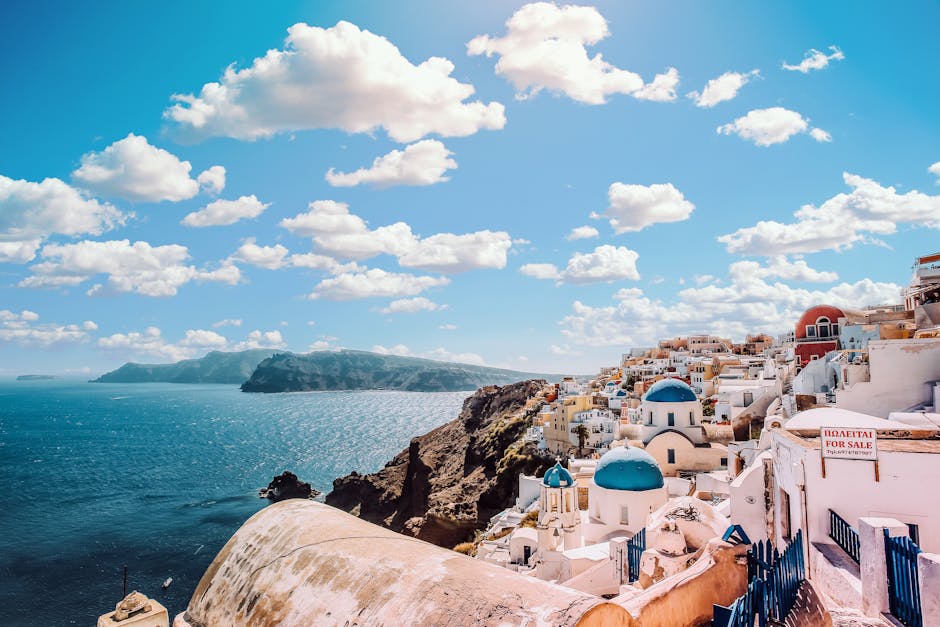
Santorini at sunset. White-washed buildings stacked along the caldera rim. The Aegean stretched out below in impossible shades of blue. It is the most photographed wedding destination in the world for a reason.
And half your guests cannot post a single photo because they have no data.
The venue — perched on a cliff overlooking the sea — advertises Wi-Fi. It works in the lobby. It does not work on the terrace where the ceremony is happening. The router is a consumer-grade box tucked behind the reception desk, and it was never built to handle 60 phones trying to upload Instagram Stories at the same time.
This is not a hypothetical. This is what happens at Greek island weddings every single summer. Couples spend months planning the perfect day, fly their closest people halfway across the world, and then lose all the real-time sharing because nobody thought about connectivity.
The Greek Island Connectivity Problem
Greece is not one destination. It is hundreds of islands, each with its own infrastructure reality. Coverage varies dramatically between main towns and remote venues — and most destination wedding venues are remote on purpose. That is what makes them beautiful.
Santorini caldera venues can have spotty signal because of the cliff geography. The volcanic rock walls that create those dramatic backdrops also block cell towers positioned inland. Mykonos beach clubs technically have Wi-Fi, but it is shared among hundreds of guests on a busy summer day. Crete's mountain villages — popular for intimate weddings — have limited infrastructure outside of Chania and Heraklion.
Then there are the ferry transfers. If your wedding involves island-hopping (Athens to Santorini, or Santorini to Mykonos for an after-party), your guests need data to check ferry schedules, book tickets, and navigate port logistics. Ferry apps like Blue Star and Hellenic Seaways require internet to manage bookings.
Most venue Wi-Fi is consumer-grade. It cannot handle 50-80 people uploading photos simultaneously. It will slow to a crawl during the ceremony, exactly when everyone wants to share the moment. Your guests need their own independent data connection.
How much data do you need in Greece?
Every plan runs 30 days · Instant QR delivery, no SIM swap.
What Your Guests Need Data For in Greece
- Water taxi booking — In Santorini, water taxis from Ammoudi Bay require online booking or calls. Same for transfers between beaches in Mykonos.
- Island navigation — Roads on Greek islands are narrow, poorly marked, and full of one-way streets that do not appear on paper maps. Google Maps with live data is the difference between arriving on time and getting lost in Oia's alleyways.
- Restaurant reservations — Peak season in Santorini and Mykonos means restaurants are fully booked. Guests need to search and reserve on the spot, especially for post-wedding group dinners.
- Instagram and photo sharing — Santorini is THE most Instagrammed wedding destination on earth. Your guests will want to post. Stories, reels, group photo dumps. This is not optional for most people under 45 — it is part of how they experience the event.
- WhatsApp group coordination — "What time is the boat?" "Where is the rehearsal dinner?" "Has anyone seen the groom?" Wedding logistics run on group chats. Without data, your guests are cut off from real-time coordination.
- Ferry schedules and booking — Greek ferry schedules shift, especially in shoulder season. Checking real-time departures and booking last-minute tickets requires data.
- Ground transport apps — BEAT (the Greek Uber alternative) works in Athens. On the islands, taxis need to be called or booked through hotel concierges — but finding the number requires internet. Google Maps transit directions are essential for navigating the local bus systems.
- Currency and translation — Greece uses the euro, but guests from the US, UK, and Australia still need real-time currency conversion. Google Translate helps with menus and signs in smaller towns where English is limited.

The Roaming Cost Problem for Wedding Guests in Greece
Most destination wedding guests do not think about phone plans until they land. Then they get a text from their carrier.
American guests: No major US carrier includes Greece in standard plans. AT&T International Day Pass is $12/day. T-Mobile includes slow data (256 kbps — unusable for uploading photos) but charges $5/day for high-speed. Verizon TravelPass is $10/day. For a 5-day wedding trip, that is $50-60 per person just for data.
British guests: Post-Brexit, EU roaming is no longer free for UK carriers. Most UK networks charge between 2 and 6 pounds per day for European roaming. Some plans include EU data, but many budget plans do not. Check the fine print — a lot of guests will not have until they see the charges.
Australian guests: Even worse. Telstra, Optus, and Vodafone AU charge premium roaming rates for Europe. Daily passes run $10-15 AUD per day. A week in Greece can cost $70-100 AUD in roaming alone.
An eSIM for a 5-day Greece trip costs a fraction of any of these. One flat price, no surprises, no daily charges ticking up. Your guests activate it before they fly and they are connected from the moment they land in Athens or Santorini.
By Island: What Guests Should Expect
Santorini
Fira and Oia have solid 4G coverage. You can stream, upload, and video call without issues in the main towns. Caldera-side venues are a different story — signal can be inconsistent because the cliff walls block towers positioned on the inland side of the island. If your venue is on the caldera rim (and most of the famous ones are), guests will have better luck with a direct mobile connection than with the venue's Wi-Fi.
Akrotiri and the southern beaches have good coverage. The volcanic hot springs boat tours to Nea Kameni have patchy signal on the water — guests should download maps and any needed info before boarding. Santorini's internal bus system has no real-time tracking app. Google Maps with data is the best way to figure out routes and timing.
Mykonos
Mykonos Town (Chora) has strong 4G throughout. Beach clubs like Paradise and Super Paradise have solid coverage — the infrastructure there is built for the party crowd. Remote villa areas further inland, toward Ano Mera, can have weaker signal depending on terrain. The Old Port area for ferry connections to Delos and other islands has good coverage. Little Venice and the windmill area are well covered.
Crete
Chania and Heraklion, the two main cities, have strong urban coverage with 4G throughout. If your wedding is at one of the popular Chania Old Town venues or a resort along the north coast, connectivity will not be an issue. Mountain village weddings are where it gets tricky — places like Sfakia and Loutro in the south have limited cell coverage. Rethymno and its coastal strip are well covered. Samaria Gorge is essentially off-grid — if your guests are doing a pre-wedding hike there, they should not expect signal.
Corfu
Corfu Town has solid coverage. North coast resort areas (Sidari, Kassiopi) are well covered. The mountain interior villages — sometimes used for rustic wedding venues — have weaker and less reliable signal. Eastern coast resorts generally have strong 4G. Paleokastritsa on the west coast has decent coverage in the main area.
How to Get Your Wedding Group Connected
The best time to tell your guests about eSIM is not at the welcome dinner. It is 2-3 weeks before departure, when people are packing and thinking about travel logistics.
- Add eSIM info to your wedding website. Most couples have a "Travel" or "Getting There" page. Add a section about staying connected. A short paragraph explaining what an eSIM is and a link to the plans page is enough.
- Include it in your pre-departure email blast. The email you send with final logistics — ceremony time, dress code, transport details — should include a line about eSIM. "You will need mobile data in Greece for navigation, ferry booking, and sharing photos. Here is how to get connected before you fly."
- Add a QR code to welcome packets. If you are doing welcome bags at the hotel, include a printed card with a QR code linking to the eSIM plans page. Some guests will not have set up data yet. This catches them on arrival.
- Set a WhatsApp group reminder. Post in the wedding group chat a week before: "Reminder — install your eSIM before you fly so you have data when you land." Peer pressure works. Once a few people do it, the rest follow.
How Much Data for a Greek Wedding Trip?
Not everyone needs the same plan. Here is a rough guide:
- 3-5 GB: Average guests. Navigation, messaging, some photo sharing, checking ferry times. Enough for 4-5 days of normal use without streaming.
- 5-8 GB: Heavy social media users. Uploading Instagram Stories multiple times a day, posting reels, video calling family back home to show them the venue. If your guest group skews younger, assume more of them land here.
- 10 GB: Island-hoppers. Guests flying into Athens, spending a day there, ferrying to Santorini for the wedding, then heading to Mykonos for a few extra days use more maps, ferry apps and photos. Every plan runs 30 days, so one plan covers the full trip without switching mid-journey.
3–5 GB is the sweet spot for guests who are flying in for the wedding and leaving shortly after. For the couple and immediate family who are there for a full week of setup, rehearsals, and recovery, 10 GB makes more sense. Every plan runs 30 days, so nobody has to count days.

FAQs — eSIM for Weddings in Greece
Do wedding guests need a data plan in Greece?
Yes. Venue Wi-Fi cannot handle 50+ guests uploading photos simultaneously, and most wedding activities (navigation, ferry booking, group coordination) happen outside of Wi-Fi range. An eSIM gives each guest their own independent mobile data connection that works everywhere on the island, not just near the router.
Does eSIM work in Santorini?
Yes. Santorini has 4G coverage across Fira, Oia, Akrotiri, and the main tourist areas. Caldera-side venues can have inconsistent signal due to cliff geography, but an eSIM on a Greek network will give you better coverage than roaming on a foreign carrier. Coverage is reliable for navigation, messaging, and photo uploads throughout the island.
Is Greece covered by EU roaming for UK guests?
Not automatically. Since Brexit, most UK mobile plans no longer include free EU roaming. Some premium plans still include it, but many budget and mid-tier plans charge 2-6 pounds per day for data in Greece. Each guest should check their specific carrier and plan. An eSIM avoids this uncertainty entirely — one flat cost, no surprise charges.
Can I use Instagram at a Santorini caldera venue?
With your own mobile data via eSIM, yes. With the venue Wi-Fi, probably not reliably — especially during peak moments when everyone is posting at once. Caldera venues are outdoors, often on terraces where Wi-Fi signal is weakest. Your own 4G connection is the only way to guarantee you can post from the ceremony.
Do I need data to book ferries between Greek islands?
Yes. Ferry booking apps (Blue Star Ferries, Hellenic Seaways, SeaJets) require internet to search schedules, book tickets, and access boarding passes. Ferry schedules in Greece can change, especially in shoulder season, so checking real-time departures before heading to the port is important. Port areas in Santorini, Mykonos, and Piraeus have 4G coverage, so an eSIM will keep you connected for bookings.
When should guests install the eSIM?
Before leaving home. The installation takes about two minutes and does not activate data until you arrive in Greece and turn off airplane mode. Installing at home on a stable Wi-Fi connection is much easier than trying to figure it out in an airport immigration queue. Recommend guests install 1-2 days before departure so they can troubleshoot if needed.
Your wedding in Greece will be unforgettable. The sunset, the caldera, the people you love most in one of the most beautiful places on earth. Do not let bad connectivity be the thing everyone remembers. Get your guests connected before they fly, and every photo, every Story, every "you have to see this" message will actually go through.
View Greece eSIM plans | Greece travel connectivity guide | Destination wedding connectivity guide
Related Reading
Last updated